
إذا سبق لك أن ضغطت على مضخة سيروم ورأيت المنتج ينزلق بجرعة نظيفة ومتساوية، دون استخدام ماصّة ودون ابتلاع الهواء: فهذا يعني أنك استخدمت زجاجة بمضخة خالية من الهواء. وقد أصبحت هذه الزجاجات هي الخيار الافتراضي لمنتجات فيتامين C والريتينول ومنتجات العناية بالبشرة الأخرى الحساسة للأكسجين، ولسبب وجيه. لكن الآلية نفسها التي تحمي تركيبة المنتج هي أيضًا ما يربك الناس عندما تتوقف المضخة عن العمل أو عندما يحاولون إعادة تعبئتها. إليك كيفية عمل النظام بأكمله، وأين يكمن الفشل الحقيقي فيه، وماذا يعني ذلك عند اختيار العبوة لعلامتك التجارية الخاصة.
ما هي زجاجة المضخة الخالية من الهواء وكيف تعمل؟
الزجاجة المزودة بمضخة خالية من الهواء هي وعاء يُوزع محتوياته دون السماح بدخول الهواء إلى المنتج مرة أخرى. تقوم المضخة العادية بسحب السائل عبر أنبوب غاطس، وفي كل مرة تضغط فيها على المضخة، يملأ الهواء الفراغ الموجود فوق المنتج المتبقي، وهذا بالضبط ما لا تريده بالنسبة لتركيبة قابلة للتأكسد. لا تحتوي الزجاجة الخالية من الهواء على أنبوب. بدلاً من ذلك، يوجد قرص مكبس في قاعدة الزجاجة، محكم الإغلاق على الجدران، وتعمل آلية المضخة بالضغط وليس بالشفط.
دورة «Airless» في أربع خطوات
- 1اضغط على المشغل — فتنكمش حجرة المضخة وتُخرج الهواء الموجود بداخلها.
- 2التحرير — تفتح الحجرة، مما يؤدي إلى انخفاض طفيف في الضغط فوق المنتج.
- 3يرتفع قرص المكبس الموجود في القاعدة، مدفوعًا بالهواء الذي يدخل من فتحة تهوية صغيرة في الجزء السفلي.
- 4يتم دفع المنتج إلى الأعلى وإلى الخارج عبر الفوهة — دون أن يعود الهواء أبدًا إلى داخل التركيبة.
تجدر الإشارة إلى فتحة التهوية السفلية هذه: إنها ثقب صغير في قاعدة الزجاجة، وهي ما يجعل الآلية بأكملها تعمل. يدخل الهواء إلى الفراغ الموجود خلف المكبس مع خروج المنتج، وبالتالي يظل المكبس مضغوطًا دائمًا على المنتج. ولا تتشكل أي فراغات هوائية، وتبقى الجرعة لكل ضغطة ثابتة من أول استخدام حتى آخره، كما تصل كمية أكبر بكثير من التركيبة إلى بشرتك مقارنةً بما يمكن أن تقدمه الزجاجات المزودة بأنبوب غاطس (مجموعة التغليف). وتكمن المقايضة في الجانب الهيكلي: فالزجاجة الخالية من الهواء عبارة عن تجميع دقيق للمكبس والغرفة والسدادة وفتحة التهوية، وكل جزء من هذه الأجزاء يمثل نقطة فشل محتملة، وهو ما سنتطرق إليه لاحقًا. ملاحظة توضيحية: تتناول هذه المقالة الزجاجات الخالية من الهواء ذات المضخة، وهي النوع المستخدم في السيرومات والمستحضرات. أما البرطمانات الخالية من الهواء (المخصصة للكريمات) والعصي الخالية من الهواء القابلة لللف، فهي تعمل على نفس مبدأ «الخلو من الهواء» ولكن بآلية مختلفة.
ثلاث آليات للمضخات الخالية من الهواء (وكيفية التمييز بينها)
ليست جميع المضخات الخالية من الهواء متشابهة في تصميمها، وتُعد هذه الاختلافات أكثر أهمية مما يدركه معظم الناس، لأن بنية الآلية هي بالضبط ما يحدد كيفية تقادمها وأين تحدث الأعطال فيها.
| الآلية | كيف يعمل | المكان الذي ستجده فيه |
|---|---|---|
| المكبس الزنبركي (الأكثر شيوعًا) | يعمل زنبرك معدني على إعادة المشغل إلى موضعه الأصلي أثناء صعود المكبس؛ وهي طريقة مجربة ورخيصة وتوفر جرعة يمكن التنبؤ بها. | معظم السيرومات والمستحضرات الموجودة على الرف. |
| مصنوع بالكامل من البلاستيك وبدون نوابض | تقوم الأجزاء البلاستيكية المصبوبة بدور الزنبرك؛ مما يقلل من عدد المكونات المعدنية، ويسهل عملية التفكيك، ويتيح إمكانية إعادة التدوير. | العلامات التجارية ذات القيمة العالية والموجهة نحو الحفاظ على البيئة؛ عبوات السفر. |
| كيس خالٍ من الهواء (مخزن هوائي) | يُوضع المنتج في كيس داخلي قابل للطي بدلاً من حجرة مكبس صلبة؛ مما يضمن إفراغ الزجاجة بالكامل. | علاجات فاخرة للعين وسيرومات مركزة، مثل الأكياس على غرار Sunday Riley. |
⭐ نظام المكبس الزنبركي هو ما ستجده في الغالبية العظمى من الزجاجات، لذا عندما يقول أحدهم “مضخة خالية من الهواء”، فهذا هو ما يقصده. أما النوعان الآخران فهما تحسينات تهدف إلى حل مشاكل محددة: فالنسخة البلاستيكية تعالج مسألة إعادة التدوير، بينما تعالج النسخة الكيسية مشكلة “القطرة الأخيرة”. تشترك الأنظمة الثلاثة في نفس النقطة الضعيفة: الختم الموجود بين الجزء المتحرك وجدار الزجاجة. وعندما «تتعطل» المضخة الخالية من الهواء، فإن ذلك يحدث غالبًا عند الختم أو المكبس، وهو ما يقودنا إلى الجزء الذي تتجاهله معظم المقالات.
هل تستحق زجاجات المضخة الخالية من الهواء كل هذا العناء؟ ما هي وظيفتها الحقيقية؟
تحل العبوات الخالية من الهواء مشكلة حقيقية، لكنها لا تحل كل المشاكل، وهذا التمييز هو ما تتجاهله معظم النصوص التسويقية. ما تفعله العبوات الخالية من الهواء فعليًّا: فهي تبقي الأكسجين بعيدًا عن التركيبة، مما يبطئ عملية أكسدة المكونات النشطة مثل فيتامين C والريتينول والببتيدات؛ كما تمنع ملامسة الأصابع والبكتيريا للمنتج؛ وتوفر جرعة دقيقة ومتسقة؛ وتسمح باستخراج كمية أكبر من المنتج مقارنةً بالزجاجات المزودة بأنبوب غاطس. وبالنسبة لعلامات العناية بالبشرة التي تختار هذه العبوات، فإن الدافع الرئيسي عادةً ما يكون العامل الأول — فالأكسجين هو القاتل الصامت للتركيبات النشطة.
ما لا تفعله التعبئة الخالية من الهواء: إنها لا تحجب الضوء. فالزجاجة الشفافة الخالية من الهواء لا تزال تسمح للأشعة فوق البنفسجية بتحطيم نفس المكونات النشطة الحساسة للضوء التي تحميها من الأكسجين. وهذا أحد الأسباب التي تدفع صانعي المستحضرات إلى تعبئة فيتامين C في زجاجات غير شفافة أو كهرمانية اللون. فهذه الزجاجات لا تعمل بمفردها على تثبيت التركيبة الهشة؛ بل إن الزجاجة تعمل فقط على عزل المنتج عن البيئة المحيطة، وستتحلل أي تركيبة غير مستقرة داخل أي عبوة. كما أنها لا تناسب جميع القوام: فقد تواجه الكريمات والبلسمات السميكة صعوبة في التعامل مع المكبس المصمم للسوائل التي تتدفق بسهولة.
هل منتجك مناسب لنظام «Airless»؟
نعم، إذا:
- تحتوي التركيبة على مكونات فعالة قابلة للتأكسد (فيتامين C، الريتينول، الببتيدات)؛ وأنت تسوّق منتجًا فاخرًا أو طبيًّا؛ ودقة الجرعة أمرٌ مهم (منتجات العناية بالبشرة ذات الصلة بالطب، والسيرومات عالية القيمة).
- أنت تقوم بتسويق منتج فاخر أو طبي.
- دقة الجرعة أمر مهم (منتجات العناية بالبشرة ذات الصلة بالطب، والسيرومات عالية الجودة).
ليس ضروريًا:
- تونرات خفيفة كالمياه لا تتلف بسرعة.
- منتجات العناية بالجسم ذات الحجم الكبير التي تهيمن فيها تكلفة التعبئة لكل أونصة.
- تركيبات تمت تثبيتها بالفعل ضد الأكسدة.
أصبحت قرارات التغليف تتضمن الآن متغيرًا جديدًا: فقد تحولت العبوات الخالية من الهواء من مجرد تفصيل وظيفي إلى علامة مميزة للعلامة التجارية. ففي أوساط عشاق العناية بالبشرة، يتجنب المشترون الآن بشكل فعال استخدام البرطمانات للمكونات النشطة، ويعتبرون العبوات الخالية من الهواء دليلًا على أن العلامة التجارية تأخذ تركيبتها على محمل الجد. في أحد المواضيع التي ركزت على المنتجات الفاخرة، كان هناك إجماع شبه تام على أن العبوات المزودة بمضخة تتفوق على العبوات التقليدية من حيث النظافة ومنع الأكسدة. وفي فئة المنتجات الفاخرة، أصبحت هذه السمة مرئية: فقد أصبحت زجاجات المضخة الخالية من الهواء المصنوعة من الزجاج الشفاف، مثل تلك المستخدمة في سيروم “هيدرا باريير” من «سويت كيميستري»، مظهرًا مميزًا يُعرف بـ«الفخامة الطبية». وهذا ليس أمرًا تافهًا — بل هو اتجاه التغليف الذي يحدد كيف يُنظر إلى منتجك على الرف.
أسباب توقف المضخات الخالية من الهواء عن العمل — الإصلاح وإعادة التعبئة وإعادة الاستخدام
إذا سبق لك أن امتلكت زجاجة توقفت عن الضخ مع بقاء المنتج مرئيًا بداخلها، أو تعطلت بعد إعادة تعبئتها، فإن هذا القسم مخصص لك. فمعظم ما يصفه الناس بـ“معطل” هو في الواقع ثلاث حالات مختلفة تمامًا، وواحدة منها فقط تُعد عيبًا حقيقيًّا.
لماذا تتعطل المضخات الخالية من الهواء مبكرًا
أولاً، دعونا نوضح أكثر حالات التشخيص الخاطئ شيوعاً: وجود بقايا من المنتج لا يُعد عيباً. فالزجاجات تُملأ عن قصد بكميات زائدة، وتقوم الشركات المصنعة باختبار ما يُسمى الحد الأدنى للتعبئة: الكمية التي يمكن للعميل سحبها فعليًّا من المضخة. لذا فإن الكمية التي لا يمكنك الوصول إليها تُعد، بحكم تصميمها، كمية إضافية من المنتج.
“الكمية المتبقية من المنتج التي لا يمكنك إخراجها هي، بكل معنى الكلمة، كمية إضافية. فالمنتجات تُعبَّأ بكميات زائدة عن الحاجة حسب التصميم.”
كيميائي في مجال البحث والتطوير، كيميائي سابق في قسم مراقبة الجودة
عندما تتوقف مضخة الهواء تمامًا عن العمل، فإن السبب يندرج تحت إحدى الفئات الثلاث التالية. ضع هذا الإطار في اعتبارك: إنه ملخص كامل في ثلاث أسطر.
سلوك التصميم (ليس عيبًا): تتباطأ المضخة قرب نهاية عملية التعبئة، أو لا يمكن تفريغ المنتج بالكامل، أو تتحرك التركيبة عالية اللزوجة ببطء. هذا أمر طبيعي ومتوقع، ولا يُعد سببًا لإلقاء اللوم على المضخة.
عيب هيكلي (الخلل الحقيقي): انحشار قرص المكبس بدلاً من ارتفاعه، أو تسرب من السدادة الموجودة عند الحافة، أو دخول الهواء بسبب التفاوتات في التجميع. الأعراض الشائعة: توقف المضخة مع بقاء ثلث محتوى الزجاجة، أو تسرب المنتج من الحافة، أو حدوث تسرب عند الضغطة الأولى.
عدم تطابق الصيغة (ما تغفله العلامات التجارية): يتم تصميم المضخة الخالية من الهواء لتناسب نطاقًا معينًا من اللزوجة. فقد أخبر أحد موردي المكونات المخصصة للصناعة المنزلية أحد صانعي التركيبات بصراحة أن مضختهم “لم تُصمم للاستخدام مع السيرومات، بل مع المستحضرات المرطبة فقط” بعد أن حدث تسرب عند استخدامها مع تركيبة رقيقة جدًّا. فالتركيبة الرقيقة جدًّا تتسرب عبر السدادة؛ بينما التركيبة السميكة جدًّا تعطل عمل المكبس.
هذه الأسباب الثلاثة ليست متساوية
العيوب الهيكلية هي وحدها التي تُعزى إلى المضخة — وهي ما يُفترض أن تكتشفه إجراءات مراقبة الجودة لدى المورد.
كيفية إصلاح مضخة عالقة
قبل أن تقوم بتفكيك أي شيء، جرب الحلول البسيطة التالية بالترتيب:
- قم بتحضير السطح: اضغط على الزر بقوة 10–15 مرة متتالية، مع إبقاء الزجاجة في وضع مستقيم. ويُعد الهواء المحبوس في حجرة المضخة السبب الأكثر شيوعًا لعدم خروج السائل عند الضغطة الأولى.
- إعادة ضبط المكبس العالق: انظر إلى فتحة التهوية السفلية. يمكن لعود أسنان أو دبوس يُدفع برفق داخل فتحة التهوية أن يحرك المكبس الذي توقف عند الجدار. هذه حيلة إصلاح شائعة على نطاق واسع في مجتمعات العناية بالبشرة على موقع Reddit، وهي تعمل بالضبط لأن فتحة التهوية هي نقطة الوصول الوحيدة للمكبس. هذه خطوة إنقاذية، وليست ميزة تصميمية: فهي تعمل مع الزجاجات ذات المكبس السفلي، ولا فائدة منها مع الزجاجات ذات الشكل الكيسي التي لا تحتوي على فتحة تهوية.
- تفكيك وتنظيف: إذا انفك رأس المضخة، فقم بفك القاعدة وتنظيف المكبس والغرفة، ثم أعد تجميعها. ويقوم صانعو مستحضرات التجميل بهذا الإجراء منذ عقد من الزمن للحفاظ على استمرار استخدام زجاجاتهم الخالية من الهواء.
- اعرف متى تتوقف: إن التسرب المستمر من الحافة، أو تشقق الغرفة، أو تشوه المكبس يعني أن مانع التسرب قد تلف. قم بضخ السائل في وعاء منفصل واستمر في عملك. لا يمكن إصلاح المضخة الخالية من الهواء التي تتسرب عن طريق الضغط عليها.
كيفية إعادة التعبئة وإعادة الاستخدام (حدود صادقة)
تعد عملية إعادة تعبئة الزجاجة الخالية من الهواء عملية بسيطة: قم بلف رأس المضخة عكس اتجاه عقارب الساعة لفكها، ثم اسكب المنتج أو أدخله باستخدام محقنة في الحجرة، وأعد تثبيت المضخة، واضغط عدة مرات لإعادة التمهيد. وتكمن الخطوة الحاسمة في التأكد من أن المكبس لم يحبس فقاعة هواء أسفله، لأن وجود جيب هوائي في القاعدة هو بالضبط ما يؤدي إلى توقف الزجاجة المعاد تعبئتها عن العمل قبل الأوان.
الإجابة الصادقة بشأن إعادة الاستخدام هي أنه يمكنك ذلك، لكن هذا ليس الغرض الذي صُممت من أجله العبوة. فهناك بعض العلامات التجارية التي تصمم زجاجاتها الخالية من الهواء صراحةً للاستخدام مرة واحدة فقط، مع قواعد قابلة للتثبيت تثبت التلاعب بها ولا تتيح الوصول إلى المكبس؛ وسيخبرك الموردون بذلك. أما الأشخاص الذين ينجحون في إعادة استخدام الزجاجات الخالية من الهواء فهم صانعو المستحضرات والمتحمسون الذين يفهمون آلية عملها، ويقومون بتنظيف كل شيء، ويقبلون بأن عمر المضخة محدود — مئات الضغطات، وليس الآلاف. إذا كنت تعيد التعبئة لنفسك، فتوقع أن تتعطل بعض الزجاجات؛ أما إذا كنت تمثل علامة تجارية تخطط لنظام إعادة التعبئة، فصممه خصيصًا لهذا الغرض بدلاً من الافتراض أن المضخات الخالية من الهواء الجاهزة للاستخدام ستصمد أمام ذلك.
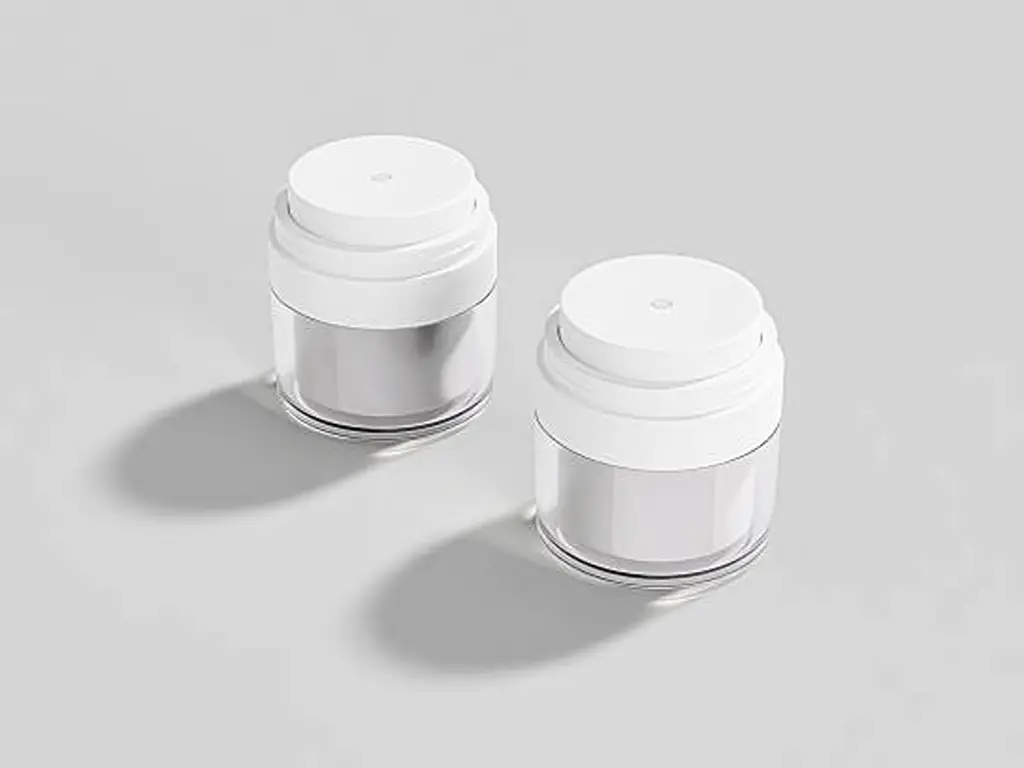
الزجاج مقابل البلاستيك في زجاجات الرش الخالية من الهواء: كيفية الاختيار
بالنسبة لعلامة تجارية متخصصة في العناية بالبشرة، يُعد اختيار مادة العبوة قرارًا يؤثر على استقرار التركيبة، وصورة العلامة التجارية، والتكلفة، وعمليات النقل. وهناك عاملان متعارضان في هذا الصدد. إليك ما يتغير فعليًّا عند تغيير المواد المستخدمة.
ما هو التأثير الفعلي لمادة الزجاجة على حليب الأطفال الخاص بك
الزجاج مادة خاملة كيميائيًا. فهو لا يتفاعل مع التركيبة، ولا ينتقل أي شيء منه إلى المنتج. وعند استخدام غطاء مناسب، يوفر سطحه الكثيف إغلاقًا محكمًا حقًّا. ولهذا السبب تستشهد صناعة الزجاج بمعايير المواد مثل ASTM C146 و ISO 3262-21 فيما يتعلق بنقاء المواد الخام: فالحجة الأساسية لصالح الزجاج هي أن الحاوية لا تضيف أي شيء ولا تسمح بمرور أي شيء. يضفي البلاستيك مزيدًا من الراحة — فهو أخف وزنًا، ولا ينكسر، وأرخص سعرًا للوحدة — لكنه يمثل حلًا وسطًا. تتمتع البوليمرات المختلفة (PP، PET) بخصائص مختلفة في عزل الأكسجين، ويمكن أن يتفاعل البوليمر نفسه مع التركيبات الغنية بالمذيبات بمرور الوقت.
كما أن الزجاج يحل مجانًا إحدى نقاط الضعف في أنظمة التعبئة الخالية من الهواء، ألا وهي التلوين. فالزجاج ذو اللون الكهرماني أو الأخضر أو المطلي يمنع الأشعة فوق البنفسجية التي تسمح الزجاجات الشفافة بمرورها، ولهذا السبب لطالما لجأ صانعو المستحضرات إلى الزجاج الداكن عند التعامل مع المكونات النشطة الحساسة للضوء. أما الزجاجة الشفافة الخالية من الهواء، فتظل بحاجة إلى معالجة تجعلها غير شفافة أو ملونة إذا كان المكون النشط فيها قابلاً للتحلل الضوئي.
الزجاج مقابل البلاستيك: معايير اتخاذ القرار
| البُعد | زجاج خالٍ من الهواء | بلاستيكية بدون هواء |
|---|---|---|
| ملمس فاخر | إطلالة تتميز بالثقل والأناقة و“الفخامة العملية” — إطلالة Sweet Chemistry. | خفيفة الوزن وعملية؛ لكن القيمة المتصورة لها أقل. |
| حماية الصيغة | خاملة، محكمة الإغلاق مع غطاء مناسب؛ قابلة للتلوين للحماية من الأشعة فوق البنفسجية. | حاجز جيد، يعتمد على البوليمر؛ لا يوجد نطاق تلوين. |
| التكلفة للوحدة | أعلى؛ حيث يزيد النقل من الوزن ويشكل خطرًا بحدوث كسر. | أصغر حجمًا؛ تكلفة شحنها أقل، وتتحمل السقوط. |
| إعادة التدوير | قابلة لإعادة التدوير بشكل غير محدود دون أي فقدان للجودة. | إنها قابلة لإعادة التدوير، لكن المجموعات الخالية من الهواء المصنوعة من مواد مختلطة تجعل الأمر معقدًا. |
| التوافق مع خطوط التعبئة | يتطلب عناية خاصة بخط مناولة الزجاج؛ فالزجاجات الأثقل تسير بسرعة أقل. | سهولة في الاستخدام؛ مناسبة للقيادة بسرعة عالية. |
| التلف أثناء النقل | خطر حقيقي — يتطلب تغليفًا جادًا. | تقريبًا صفر. |
ويعكس الاتجاه السائد في السوق هذا الأمر: فالمنتجات المخصصة للسوق الشامل وذات الحجم الكبير تُعبَّأ في عبوات بلاستيكية، بينما تُعبَّأ المنتجات ذات التركيبات النشطة العالية والفاخرة وذات الحجم الصغير (مثل السيرومات سعة 15–30 مل) في عبوات زجاجية، لأن ذلك هو المجال الذي تتحقق فيه فوائد كل من حماية التركيبة والسمعة الفاخرة للعلامة التجارية في آن واحد.
اختيار المضخة المناسبة لصيغة الحليب الخاصة بك
تُعد المضخة النقطة التي يلتقي فيها التركيب والتعبئة فعليًّا، وهذه هي الخطوة التي تتجاهلها معظم العلامات التجارية. تُصمم المضخة الخالية من الهواء خصيصًا لتتناسب مع نطاق معين من اللزوجة: فالسيرومات واللوشن والكريمات ذات القوام الرقيق كالماء تتطلب كل منها هندسة مضخة مختلفة وشد زنبركي مختلف. فإذا أرسلت إلى المورد تونرًا رقيقًا لاختباره في مضخة مصممة للوشن، فستحدث تسربات؛ أما إذا استخدمت بلسمًا سميكًا في مضخة السيروم، فسيتعطل المكبس. والحل بسيط ولا يقبل التفاوض: اختبر تركيبتك الحقيقية، وليس الماء، في المضخة الفعلية قبل اتخاذ القرار النهائي.
| السيناريو | الأعمال | عندما تفشل |
|---|---|---|
| مصل نشط (فيتامين ج، ريتينول) | 15–30 مل في عبوة زجاجية محكمة الإغلاق، ملونة إذا كانت المادة عرضة للتحلل الضوئي. | الأحجام الضخمة التي تصبح فيها تكلفة الزجاج لكل مل غير منطقية. |
| كريم عالي اللزوجة | وعاء خالٍ من الهواء أو وعاء خالٍ من الهواء بفوهة عريضة مزود بمضخة مخصصة للكريم. | مضخات سيروم ذات تدفق حر؛ زجاجات ذات عنق ضيق. |
| حبر منخفض اللزوجة | استخدمي عبوة بلاستيكية من النوع «الخالي من الهواء» مزودة بمضخة ذات تركيبة خفيفة — أو تجنبي استخدام العبوات «الخالية من الهواء» تمامًا. | مضخات مصممة خصيصًا للمستحضرات التي تتسرب من موضع الختم. |
| لوشن للجسم بكميات كبيرة | مضخة بلاستيكية من النوع الذي يعمل بدون هواء أو من النوع القياسي. | أسعار الزجاج الفاخر لمنتج ذي شكل عادي. |
الصف الأخير يمثل الحالة الاستثنائية التي تضمن نزاهة معظم المنتجات في هذه الفئة: فالتعبئة الخالية من الهواء هي أداة لحماية القيمة، وليست مناسبة لكل منتج. وعندما لا تتطلب التركيبة ذلك ولا يبرر الشكل استخدامه، فإن المضخة القياسية هي الخيار الصحيح.
هل اخترت منتجًا خاليًا من الهواء؟ تأكد من مطابقة التركيبة قبل الطلب.
أخبرنا بلزوجة التركيبة والحجم المطلوب — وسنختار لك زجاجة زجاجية مزودة بنظام ضخ خالٍ من الهواء ومضخة مناسبة لها، وسنرسل لك عينات قبل أن تقرر الشراء.
ما يجب التحقق منه قبل طلب زجاجات بدون هواء
بمجرد أن تقرر أن نظام «الرش بدون هواء» هو الخيار المناسب، فإن المحادثة مع المورد هي التي ستحدد ما إذا كان هذا النظام سيحقق لك الفائدة المرجوة أم سيصبح مصدرًا لمشكلة ارتفاع معدلات إرجاع المنتجات. تعامل مع هذه النقاط كقائمة مراجعة مكونة من خمس نقاط، ولا تتخطى النقطة الأولى:
- اختبر المضخة باستخدام التركيبة الفعلية الخاصة بك. الماء ومنتجك هما سائلان مختلفان. فقد تتسرب مضخة أحد الموردين التي تعمل بشكل جيد مع الماء عند استخدامها مع السيروم الخاص بك. وهذا هو ما تمت مناقشته أعلاه بشأن اللزوجة، وقد أصبح حقيقة واقعة.
- تأكد من الحد الأدنى لعدد المشاركين. اسأل عن الكمية التي تضمن المضخة توزيعها من المنتج، وتأكد من أن حجم التعبئة يزيد عنها، حتى تضمن أن الزجاجات “الفارغة” تقدم بالفعل الجرعة المذكورة على الملصق.
- اطلب إجراء اختبار مانعة لتسرب الغاز / اختبار التسرب. يُعد الختم نقطة الضعف في الآلية؛ فالقيام باختبار وظيفي في مرحلة العينة أفضل من اكتشاف ذلك أثناء الاستخدام الميداني.
- استفسر عن سياسة مراقبة الجودة. ما هو معدل أخذ العينات المطبق على طلبك، وما هو الحد الأدنى للعيوب الذي يستلزم إجراء فحص شامل؟ إن المورد الذي لا يستطيع الإجابة عن هذا السؤال، فإنه بذلك يوضح لك كيف ستسير الأمور خلال الأشهر الستة المقبلة.
- اعرف من هو صاحب «المباراة بين الزجاجة والمضخة». إذا كانت المضخة والزجاجة من نفس المورد، فسيكون هناك طرف واحد مسؤول؛ أما إذا كنت تستخدم مصادر مختلفة، فستتحمل أنت مسؤولية التوافق بينهما، وكذلك أي أعطال قد تحدث.
في الوقت الحالي، تتوفر النسخة العملية لكل منتج من المنتجات المذكورة أعلاه من أحد شركاء التعبئة والتغليف. وفي شركة DAXIN، نقدم زجاجات المستحضرات والسيروم الزجاجية والمضخات المطابقة لها كحزمة واحدة — عملية إدارة الجودة لدينا تغطي بالضبط الفحوصات المذكورة أعلاه: الفحص ثلاثي المراحل (المظهر، واختبار إحكام الغلق الوظيفي، والتعبئة للتصدير)، وأخذ العينات كل ساعة خلال مراحل الإنتاج الرئيسية، وسياسة أخذ العينات وفقًا لمعيار 10% التي تتدرج إلى الفحص الكامل إذا تجاوزت العيوب معيار 2%، مع معدل نجاح في التسليم يبلغ ≥98%. إذا كنت تقارن بين موردي الزجاج غير الهوائي، فهذه هي الأرقام التي يجب أن تضعها في قائمتك إلى جانب عرض الأسعار: لدينا زجاجات زجاجية للمرطبات والسيروم و أغطية ومضخات مصنوعة حسب الطلب تُعد نقطة انطلاق جيدة.
الدراسة الاقتصادية: التغليف الخالي من الهواء لعلامتك التجارية
وأخيرًا، الحسابات التي تحسم المسألة برمتها. من ناحية التكلفة، تُعد العبوات الزجاجية الخالية من الهواء الخيار الأكثر تكلفة بين الخيارات السائدة: مواد عالية الجودة، وتجميع أكثر تعقيدًا، وشحن أثقل، وتغليف خاص بالزجاج أثناء النقل. التكاليف الأولية حقيقية لكنها قابلة للتفاوض. تبدأ التصاميم الجاهزة عادةً من حوالي 1,000 وحدة، والتزيين المخصص من حوالي 5,000 وحدة؛ أما القوالب المخصصة بالكامل فتبدأ من 10,000 وحدة. تتراوح تكلفة قوالب الزجاجات تقريبًا بين $1,000 و1,200، وقوالب الأغطية والمضخات بين $2,200 و3,000 (بسعر صرف يبلغ حوالي 6.7 ين ياباني للدولار الأمريكي)، وتُسترد رسوم القالب بمجرد وصول طلب زجاجات العطور إلى 100,000 وحدة.
من ناحية القيمة، تتضافر ثلاثة عوامل. فاستقرار التركيبة يعني انخفاض عدد حالات الإرجاع وعمليات استرداد المبالغ المرتبطة بالأكسدة، وهو بالضبط نمط الفشل الذي يقوض ثقة المستهلك في منتجات العناية بالبشرة التي تحتوي على مكونات فعالة. وسلوك المشتري يكافئ هذا الاختيار: فالمجتمعات نفسها التي ترفض استخدام العبوات الزجاجية للمكونات الفعالة ترى في العبوات الخالية من الهواء دلالة على أن “هذه العلامة التجارية تحمي تركيبتها”. وبالنسبة للعلامات التجارية الخاصة، يُعد التغليف الطريقة الأولى والأرخص لتبدو كعلامة تجارية محترفة بدلاً من مشروع هواية.
المعادلة الخالية من الهواء لمنتج رائد
جانب التكلفة
ارتفاع سعر الوحدة، وزيادة وزن الشحنة، وخطر كسر الزجاج أثناء النقل.
جانب القيمة
انخفاض معدل المرتجعات بسبب الأكسدة، وقراءة ممتازة على الرف، ومصداقية العلامة التجارية الخاصة.
صافي
بالنسبة لمنتج بطل يحتوي على مادة فعالة، تُعتبر الزيادة في السعر استثمارًا تسويقيًّا قابلاً للاسترداد؛ أما بالنسبة للصيغة القياسية، فهي بمثابة ضريبة.
إليكم الموقف الذي سندافع عنه بالأرقام: إذا كان منتجك الرئيسي يحتوي على مكونات فعالة قابلة للتأكسد، فإن العبوة الزجاجية الخالية من الهواء (airless) الفاخرة تُعد واحدة من أرخص وسائل الحماية في مجال العناية بالبشرة — فهي تمثل الفرق بين تركيبة تصل إلى المستهلك وهي تبدو كما كانت يوم تصنيعها، وأخرى تصل وهي في منتصف طريقها إلى التأكسد. أما إذا كانت تركيبتك مستقرة وكانت فئتك تعتمد على السعر، فأنفق المال على التركيبة بدلاً من ذلك. الخطأ الذي يجب تجنبه هو الحل الوسط: تركيبة فعالة عالية القيمة في عبوة مضخة أرخص ما يمكن، مما يوفر بضعة سنتات لكل وحدة بينما تراهن بسمعة المنتج بأكملها على غطاء محكم الإغلاق.
احصل على زجاجة خالية من الهواء ومضخة مناسبتين لسيرومك
توجد عبوة مطابقة لتركيبتك — فلنبحث عنها. وتُقدم العينات وتأكيد الحد الأدنى للتعبئة وتقارير اختبار مقاومة تسرب الغاز قبل إصدار أي طلب.
ناقش صيغتك مع فريقنا
 English
  Spanish
  French
  German
  Arabic
  Italian
  Dutch
Dutch  Portuguese
  Russian
  Korean
  Japanese