
Verpakkingsmaterialen voor cosmetica: hoe stem je de verpakking af op je formule?
Zoek op "cosmetische verpakkingsmaterialen" en u krijgt meteen twee verschillende discussies te zien. De ene gaat over dozen (golfkarton, hard karton, kraftpapier) van bedrijven die secundaire verpakkingen produceren. De andere gaat over de verpakking die daadwerkelijk in contact komt met uw product: de fles, pot of tube waarin de formule maandenlang wordt bewaard op een schap, in een magazijn en op een badkamerplank. Deze gids richt zich op die tweede groep, omdat deze bepalend is voor het voortbestaan van uw product, de verzendkosten en de indruk die klanten van uw merk krijgen nog voordat zij de dop hebben geopend.
Verpakkingsmaterialen voor cosmetica vervullen twee functies tegelijk.
Verpakkingsmaterialen voor cosmetica vervullen twee functies tegelijk
De eerste functie is chemisch van aard. De verpakking vormt de barrière tussen uw formule en alles wat deze aantast: zuurstof, licht, vocht, verdamping en de onbedoelde chemische reacties van de verpakking zelf. De tweede functie is perceptueel. Gewicht, transparantie, kleur en afwerking geven een klant – in ongeveer twee seconden – aan of een product $8 of $80 kost. U kunt dezelfde lotion in een HDPE-fles en in een zware glazen fles doen, en de twee zullen vilt als verschillende producten.
Daarom is materiaalkeuze nooit louter een technische beslissing, en evenmin louter een marketingbeslissing. Het bevindt zich precies op het raakvlak tussen beide.
Deze overlap verklaart de ongeschreven regels van de markt. Niemand verpakt douchegel in dik glas: de formule is stabiel, het distributiekanaal is gericht op grote volumes en het gewicht zou de vrachtberekeningen onhoudbaar maken. Niemand verpakt een $120-gezichtsolie in dun plastic: de formule is kostbaar, het uitpakken maakt deel uit van de productbeleving en een lichtgewicht flesje zou al in tegenspraak zijn met de prijs nog voordat de eerste druppel is gebruikt. Tussen deze twee uitersten ligt vrijwel elke beslissing die in deze gids aan bod komt.
De materiaalgroep: wat elk materiaal beschermt en wat het uitstraalt
Vijf materiaalgroepen vormen de basis van het overgrote deel van de cosmetische producten. Elk daarvan biedt een andere bescherming, geeft een andere boodschap af en vertoont op zijn eigen specifieke manier tekortkomingen; en juist die laatste kolom wordt in de meeste handleidingen over het hoofd gezien.
| Materiaal | Wat het beschermt | Wat dit betekent | Waar het tekortschiet |
|---|---|---|---|
| Glas | Chemische inertie — reageert met vrijwel niets; sluit goed af tegen verdamping; getint glas houdt UV-straling tegen | Kwaliteit, gewicht, vakmanschap | Zwaar, breekbaar, duurdere verzendkosten |
| PET (doorzichtig kunststof) | Lichtgewicht en duurzaam, met een glasachtige helderheid | Modern, betaalbaar, praktisch | Beperkte warmte- en zuurstofbarrière; kan er bij hogere prijsklassen goedkoop uitzien |
| HDPE (ondoorzichtig kunststof) | Sterkte en vochtbestendigheid voor alledaagse formaten | Voordelig, voor de massamarkt, functioneel | Geconcentreerde etherische oliën en geuroliën kunnen ervoor zorgen dat de wanden van de fles inzakken |
| PP (polypropyleen) | Scharnieren, schroefdraad en knijpbare verpakkingsvormen | Gemak | Minder hoogwaardige uitstraling; helderheid lager dan die van PET |
| Aluminium / metaal | Vintage-stijl, poeders en balsems, enkele spuitbussen | Retro of premium-industrieel | Kan een reactie veroorzaken met bepaalde ingrediënten — waaronder natriumgluconaat, dat in veel reinigingsproducten voorkomt |
Twee punten verdienen extra aandacht, omdat het in beide gevallen om stille compatibiliteitsvalkuilen gaat in plaats van voor de hand liggende. De gevoeligheid van HDPE voor oliën is gedocumenteerd in branchebronnen voor producenten van kleine series: de oliën tasten de hars letterlijk aan en de wanden kunnen gaan vervormen. Toch komt dit zelden aan bod in artikelen met als titel "Welk materiaal moet ik kiezen?", geschreven door kunststofleveranciers. En het probleem van de reactiviteit met metaal betekent dat een "hoogwaardige" aluminium pot de verkeerde keuze kan zijn voor een formule waarmee deze langzaam een chemische reactie aangaat.
Er zijn nieuwkomers die het vermelden waard zijn, elk in één regel: PCR-harsen (gerecycled plastic) bieden duurzaamheidsvoordelen, maar met kanttekeningen wat betreft de consistentie tussen verschillende productiebatches, en er bestaan opties op basis van bamboe, PLA en papier, maar deze brengen hogere kosten en grotere minimale productiehoeveelheden met zich mee. Voor gangbare cosmetica vormen de vijf bovengenoemde categorieën het daadwerkelijke aanbod, en glas en plastic zijn de twee materialen waar de meeste merken daadwerkelijk uit kiezen.
Uw formule bepaalt de grens: het afstemmen van cosmetische verpakkingsmaterialen op de samenstelling
Hier vindt het nuttige werk plaats. De juiste vraag is niet "glas of kunststof?", maar "wat vereist mijn formule?". De afweging tussen glas en kunststof is een vergelijking van twee waarden op één as; de as zelf is de chemische samenstelling van de formule. Zodra u uw formule correct hebt geïnterpreteerd, kiest het materiaal zich in de meeste gevallen vanzelf.
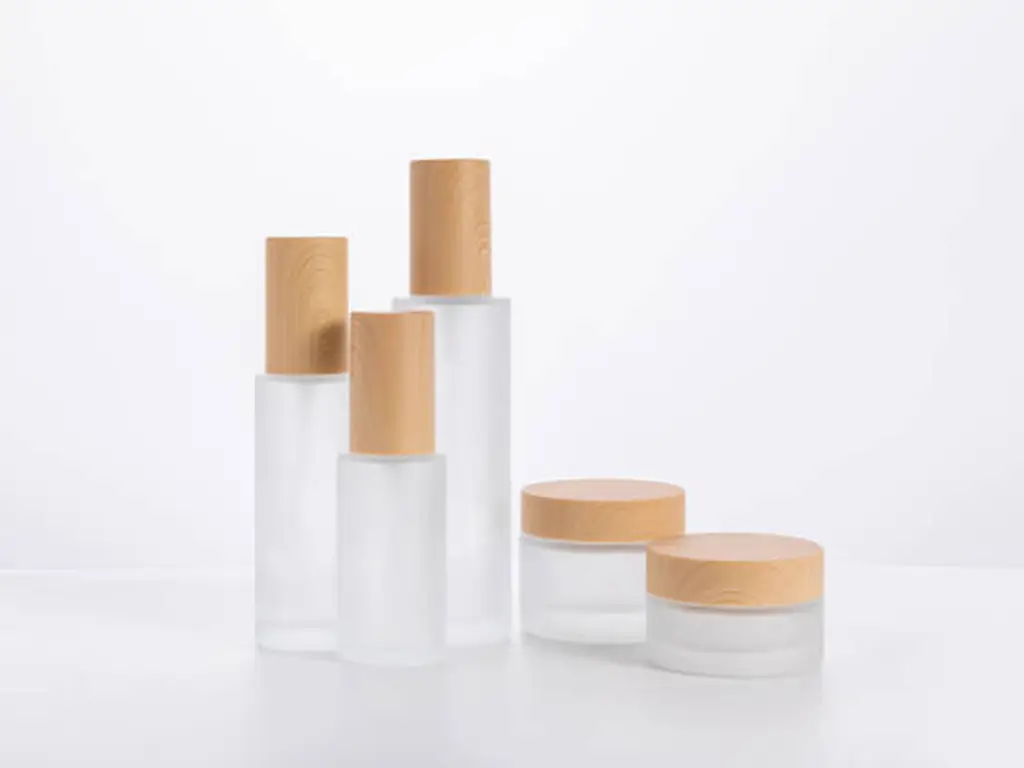
Alcohol, oliën, zuren, actieve bestanddelen: wat elke formuleringsgroep nodig heeft
Parfum is hiervan het duidelijkste voorbeeld. Concentraten met een hoog alcoholgehalte zijn agressief: alcohol verdampt door zwakke afdichtingen, tast veel verfsoorten en coatings aan en zorgt voor een langzame afbraak van bepaalde kunststoffen. Daarom wordt parfum al meer dan een eeuw in glazen verpakkingen aangeboden, en moeten de coatings op een parfumflesje niet alleen er mooi uitzien, maar ook bestand zijn tegen tests met alcoholdoekjes. Etherische oliën en geuroliën vormen het tweede belangrijke argument voor glas (denk aan de hierboven genoemde instorting van HDPE), en zij voegen een lichtgevoeligheidsfactor toe: amberkleurig of ander donker glas beschermt hen tegen afbraak door UV-straling. Oxidatiegevoelige actieve bestanddelen (vitamine C, retinol, plantaardige actieve bestanddelen) vormen de derde categorie: deze worden afgebroken door zuurstof en licht, waardoor verpakkingen met een lage zuurstofdoorlaatbaarheid vereist zijn, wat doorgaans neerkomt op glas met een goed afsluitbare druppelaar, pomp of een airless-systeem. Zuren zoals AHA/BHA zijn veilig in glas, juist omdat glas inert is, terwijl bij metalen elk ingrediënt afzonderlijk moet worden gecontroleerd.
| Formuleringsfamilie | Aanbevolen materiaalband | Waar het tekortschiet | Controleer dit voordat u bestelt |
|---|---|---|---|
| Alcoholconcentraten (parfum, eau de cologne, geurnevel) | Glazen pot met dampdichte afsluiting | Coatings en afdichtingen die door alcohol kunnen worden doordrongen; kunststof dat na verloop van tijd zachter wordt | Prestaties van de afdichting en weerstand van de coating tegen wrijving met alcohol |
| Etherische oliën en geuroliën (serummengsels, basis voor diffusors) | Glas, donker glas voor lichtgevoelige oliën | HDPE-wanden die bezwijken bij geconcentreerd contact met olie | Oliecompatibiliteit met alle kunststof onderdelen; UV-bescherming |
| Oxidatiegevoelige werkzame stoffen (vitamine C, retinol) | Glazen verpakking met pomp/druppelaar/airless-systeem | Doorzichtig PET dat licht en zuurstof doorlaat | Zuurstofbarrière en lichtdoorlatendheid van de verpakking |
| Formules op basis van zuren (AHA/BHA, exfolianten) | Glas (inert); controleer op metalen | Containers voor reactieve metalen | Reactie van het materiaal met uw specifieke zuurmengsel |
| Stabiele lotions en toners op waterbasis | PET, HDPE of PP zijn allemaal geschikt | Geen grote kostenpost — maar glas vormt een kostenpost zonder voordeel | Of de formule daadwerkelijk een lage gevoeligheid heeft |
| Balsems en poeders | Potjes, poederdoosjes, aluminium blikjes | Blootstelling aan lucht en herhaaldelijk contact met de vingers | Luchtdichte sluiting en hygiënische verpakkingsvorm |
Het patroon in de middelste kolom is de kern van de zaak: bij elk gezin treedt er op een andere plaats een probleem op, en deze problemen komen overeen met daadwerkelijke klachten van consumenten, zoals crèmes die uit elkaar vallen, verdampte parfum en bruin geworden serums. Wanneer een formule "in de fles bederft", is de fles doorgaans medeplichtig, en geen onschuldige toeschouwer.
De wiskunde achter duurzaamheid: waarom "glas is milieuvriendelijker" geen conclusie is
Ergens in deze afweging zult u de duurzaamheidsclaim tegenkomen, en die verdient een eerlijkere benadering dan doorgaans het geval is. Glas is 100% oneindig recyclebaar, zonder kwaliteitsverlies; dat is een feit. Maar glas is ook ongeveer drie keer zo zwaar als plastic, en levenscyclusanalyses waarin de uitstoot door transport wordt meegerekend, hebben aangetoond dat plastic flessen minder in bepaalde scenario’s schadelijker voor het milieu dan glas; in de berichtgeving van de BBC over een onderzoek naar de levenscyclus van verpakkingen werd precies dit punt naar voren gebracht, en dit zette het keurige verhaal dat "glas milieuvriendelijk is" terecht op losse schroeven. Voeg daar nog hervulbare verpakkingen aan toe, waarbij één zware glazen fles tientallen keren wordt gebruikt en de transportkosten over al die keren worden afgeschreven. Het antwoord hangt nu werkelijk af van uw specifieke gebruikssituatie, de recyclinginfrastructuur van uw klanten en de vraag of de fles daadwerkelijk wordt hergebruikt of gewoon wordt weggegooid.
De eerlijke conclusie is niet dat "glas slecht is". Hieruit vloeien twee praktische regels voort. Ten eerste: als u uw verpakking als milieuvriendelijk op de markt brengt, houd de bewering dan beperkt en controleerbaar ("100% recyclebaar glas", niet "groene verpakking"). Regelgevende instanties aan beide zijden van de Atlantische Oceaan houden vage bewoordingen op het gebied van duurzaamheid nauwlettend in de gaten. Ten tweede: bepaal eerst de samenstelling en de fles, en laat de duurzaamheidsboodschap vervolgens de feiten volgen in plaats van deze te sturen.
Geen enkel verpakkingsmateriaal is op zichzelf duurzaam; duurzaamheid is een eigenschap van het systeem: vullen, verzenden, gebruiken, opnieuw vullen of recyclen.
Het distributiekanaal en de prijs bepalen de beslissing
Er blijven twee factoren over, en juist deze voorkomen kostbare fouten. Allereerst het distributiekanaal: als u rechtstreeks aan de consument verkoopt (DTC) en losse flessen in gewatteerde verzendzakken verstuurt, vormen glasbreuk een reële kostenpost, en merken die zich in die situatie bevinden, ontwerpen ofwel een beschermende secundaire verpakking of kiezen voor plastic totdat het volume dit rechtvaardigt. Als u via winkelschappen verkoopt, verdient een hoogwaardige glazen fles haar plaats door de aandacht te trekken. Als u via boetieks en spa’s verkoopt, is glas met opvallende versieringen vrijwel verplicht; het tactiele moment is het product.
Ten tweede: de prijs. Stel uzelf een harde vraag: moet deze fles een hoge prijs rechtvaardigen, of moet de prijs deze fles rechtvaardigen? Een $80-gezichtsolie in dun plastic zorgt voor een discrepantie die het vertrouwen ondermijnt. Een $8-douchegel in dik glas is weggegooid geld. Een eenvoudige zelfcontrole: prestigieuze en verzorgende producten vragen om glas; afspoelbare producten die in grote hoeveelheden worden verkocht, vragen om plastic. En als u zich in een vroege testmarktfase bevindt waarin verlies door breuk de marges zou schaden, begin dan met hoogwaardig plastic of goedkoop standaardglas, en stap pas over op duurdere verpakkingen zodra het product zich heeft bewezen.
Als uw formule in de glaskolom terechtkomt (wat bij parfums, oliën en huidverzorgingsproducten op basis van actieve ingrediënten meestal het geval is), is de volgende vraag niet "glas of iets anders". De vraag is welk soort glas, en van wie. Daar zit het echte geld verborgen.
Stuur ons uw productlijn en beoogde productievolumes — wij zullen de vragen over materiaal en specificaties voor u in kaart brengen voordat u een beslissing neemt over een matrijs of een minimumafname.
Bespreek de specificaties van uw flesAls u voor glas kiest: kwaliteitsklassen, afwerking en waar u op moet letten voordat u een bestelling plaatst
Niet elke glazen fles is van hetzelfde glas. Vraag tien inkopers waarom zij zijn gestopt met het importeren van glas en u zult variaties op dezelfde twee klachten horen: "het had een groene tint" en "het voelde dun aan". Beide klachten zijn terecht en hebben betrekking op de kwaliteit en de afwerking; dit betekent dat u beide kunt controleren voordat u een aankoop doet.
Beoordeling: Het ijzergehalte dat in het glas verborgen zit
De "witheid" van wit glas hangt af van het ijzergehalte. IJzeronzuiverheden in het siliciumdioxide geven verpakkingsglas zijn kenmerkende groene of blauwgroene tint. Houdt u een goedkope fles tegen wit papier, dan zult u dit kunnen zien. Dit komt direct tot uiting in de classificaties voor industriële kwaliteit:
De glaskwaliteit is een ijzerspecificatie
1.2–1.5%
Standaard wit
Zichtbare groene tint
~1.0%
Hoog wit
Vage afdruk
0.5–0.8%
Kristalwit
Geen groene tint — hoge helderheid
De kristalwitte band is het enige product dat kopers van hoogwaardige parfums en cosmetica daadwerkelijk specificeren, omdat dit het verschil maakt tussen een product dat er op foto’s fris uitziet en een product dat er op foto’s groen uitziet. Kristalwit glas — met een ijzergehalte van ongeveer 0,5–0,8% — is de meest controleerbare specificatie in de discussie over glas: vraag de leverancier naar de kwaliteitsklasse, net zoals u een metaalleverancier zou vragen naar de legeringssamenstelling. Fabrikanten van hoogwaardig glas verrijken de smelt bovendien met zeer zuivere klaringsmiddelen en voeren standaardgrondstofonderzoeken uit (chemische analyse en korrelgroottebepaling vormen daarbij de gebruikelijke combinatie), waardoor zij die helderheid partij na partij weten te behouden.
Vervaardigingskwaliteit: wanddikte, gloeien en de afdichting
Kwaliteit zorgt voor duidelijkheid; vakmanschap zorgt voor overleving. Er zijn vier zaken die van belang zijn, en elk daarvan houdt verband met een specifiek defect dat u in de praktijk kunt waarnemen.
Consistentie van de wanddikte. Dunne, ongelijkmatige wanden zijn de reden waarom flessen op de schappen en tijdens het transport breken. Het controlepunt ligt helemaal aan het begin van het vormproces: de voor elke fles afgesneden klomp gesmolten glas moet bij elke cyclus hetzelfde gewicht hebben. Bij hoogwaardige productie wordt het gewicht van de klomp servogestuurd geregeld met een afwijking van ongeveer ±1 gram; dit zorgt ervoor dat de wanddikte fles na fles uniform is. Wanneer een koper zegt: "Het voelde dun aan", dan voelt hij het ontbreken van deze controle.
Gloeien. Freshly formed bottles carry internal stress; if it is not relieved, the bottle can crack weeks later, or shatter in a customer's hand. Annealing is a controlled slow cooling through a specific temperature soak (roughly 520–560°C is the working zone) that lets the glass structure relax. The failure sample is familiar to anyone who reads skincare forums: a perfectly fine-looking jar that "just broke," sometimes cutting the owner. That is internal stress from skipped or rushed annealing. Well-annealed soda-lime glass tolerates a temperature swing in the region of –20°C to 80°C without cracking; under-annealed glass does not.
The seal. A bottle that seals poorly is worse than a bottle that breaks: it leaks. Leakage from the cap area ruins labels, soaks packaging, and in international freight can get a whole carton flagged as hazardous because the leaking alcohol or oil makes the box smell like a hazard. Leak testing and proper neck-finish finishing (the mouth of the bottle is ground smooth so the cap seats true) are standard practices at serious producers and cheap to verify: ask how they test seals and whether they run in-line leak checks.
Decoration with a chemistry of its own. If your bottle gets a coating or a printed logo, the decoration meets the formula too. Fragrance-grade coatings are engineered to survive hundreds of alcohol-wipe cycles; the standard fragrance test is on the order of 500 wipes. The paint system matters for export compliance as well: water-based systems keep VOC emissions low and are the default for EU-bound cosmetics packaging, while solvent-based systems need low-VOC reformulation to clear the ceilings (≤150 g/L is a typical working limit on coating data sheets). One honest shortcut: an embossed logo molded directly into the glass adds zero chemical layers and never wears off; if your design can tolerate it, it is the most durable option that exists.
The final question is how a supplier proves each one. That question is worth asking out loud, because the difference between producers is not what they claim in their brochure, but what they can show you.
The verification list
Glass grade — the iron band they run (0.5–0.8% is crystal white)
Wall-thickness control — gob weight held near ±1 g
Annealing discipline — a 520–560°C stress-relief soak
Seal integrity — leak tests and a ground neck finish
Coating chemistry — alcohol-wipe and VOC specs for your formula
That last question is the one we built the plant around. At Daxin, we've made glass since 1987, and the grade and workmanship checks above are literal production steps, not brochure lines: crystal-white formulations held to low-iron standards, servo-controlled gob weights that keep wall thickness uniform, annealing at a controlled 520–560°C soak across three temperature zones, and in-line inspection that checks dimensions, wall thickness, and defects during production rather than after. Our in-house inspection and quality management page documents the testing dimensions we run (size, capacity, weight, hardness, appearance, and stress), and the perfume bottle range we produce in-house shows what the grade bands look like in finished product. Bring this checklist when you talk to us; it is exactly how we prefer to be evaluated.
Stock, Semi-Custom, or Custom: The Supply Reality Behind the Cosmetic Packaging Material You Chose
Material and grade are decided. The remaining variable is how you buy, and this is where most first-time brands get ambushed, because three completely different products hide under the word "packaging." Knowing which tier you are in turns a scary quote into a plan.
Stock, Semi-Custom, Custom: The Three-Step Ladder
The three-step ladder
Voorraad
Catalog bottles at low minimums, often around 1,000 units, with fast delivery. Brand via label or light print.
Semi-custom
Stock shapes with your silk-screen, hot-stamp, color, or cap and pump configuration. Higher minimums, still no mold investment.
Aangepaste
Your own mold, a one-time tooling fee, the highest minimums and longest lead time. A bottle nobody else has.
Each step up the ladder buys differentiation and costs flexibility. The startup instinct is to jump straight to Step 3, a signature bottle, and the industry reality is that new brands frequently get quoted minimums of 5,000 to 10,000 units for custom work and panic. The panic is a symptom of skipped steps. The conventional wisdom from people who have launched multiple brands is to start at Step 1 or 2: stock bottles and jars, branded with labels and light printing, which keeps your cash in the product instead of in inventory. The moment to climb to custom is when you have proof of demand, because you will change something about your packaging after launch (a regulation, a size, a positioning tweak), and unsold custom bottles are the most expensive packaging mistake there is.
Landed Cost Is a Formula, Not a Price
Unit price is the number everyone compares and the number that lies most.
The real cost of a bottle
unit price × quantity + one-time tooling + freight + duties + breakage + cash in inventory
Add it all before you compare quotes.
Freight deserves special respect because it scales with weight, and glass is heavy. Empty bottles are bulky and heavy, and importers will tell you the shipping on empty boxes can approach the value of the boxes themselves. Real-world context from importers in public sourcing threads: a 40-foot container from Shanghai to the US West Coast spiked past $25,000–33,000 during the 2021–22 freight crisis, then fell back toward roughly $6,500 by 2024. That swing can move your landed cost per bottle by more than the bottle itself costs. Duties add a further slice, often 10–30% depending on category and origin, and freight terms matter enormously: FOB leaves customs and inland logistics to you; DDP makes the supplier responsible through to your door. Anyone comparing quotes should compare delivered cost per unit, not price per bottle, and should ask whether the number includes the freight at all.
What to Audit Before You Commit
Finally, treat the supplier like a supplier. Audit the four things that predict whether the relationship survives a container-load of fragile goods.
Quality control: ask how they inspect. Do they run in-line checks during production? What are their batch sampling ratios, and what happens when defect rates exceed a threshold? Many established producers inspect a sample of around 10% of an order and escalate to full inspection if defects run high.
Breakage and packaging: ask for their transit-damage record and the export packaging spec. Multi-layer protection with individual bottle seating in reinforced cartons is the serious standard; thin single-wall boxes are not.
Third-party verification: a reputable producer accommodates pre-shipment inspection by an independent agency without flinching.
Lead time: the total clock runs mold tooling (about 10 days at fast shops), production (30–35 days is a typical quoted window from established producers), and sea freight on top, so total door-to-door times of 6–10 weeks are normal for ocean shipments. Context on why this matters: North American glass capacity has been so constrained that some domestic buyers have been quoted lead times of a year or more. That is a structural reason the import route keeps growing despite the freight math.
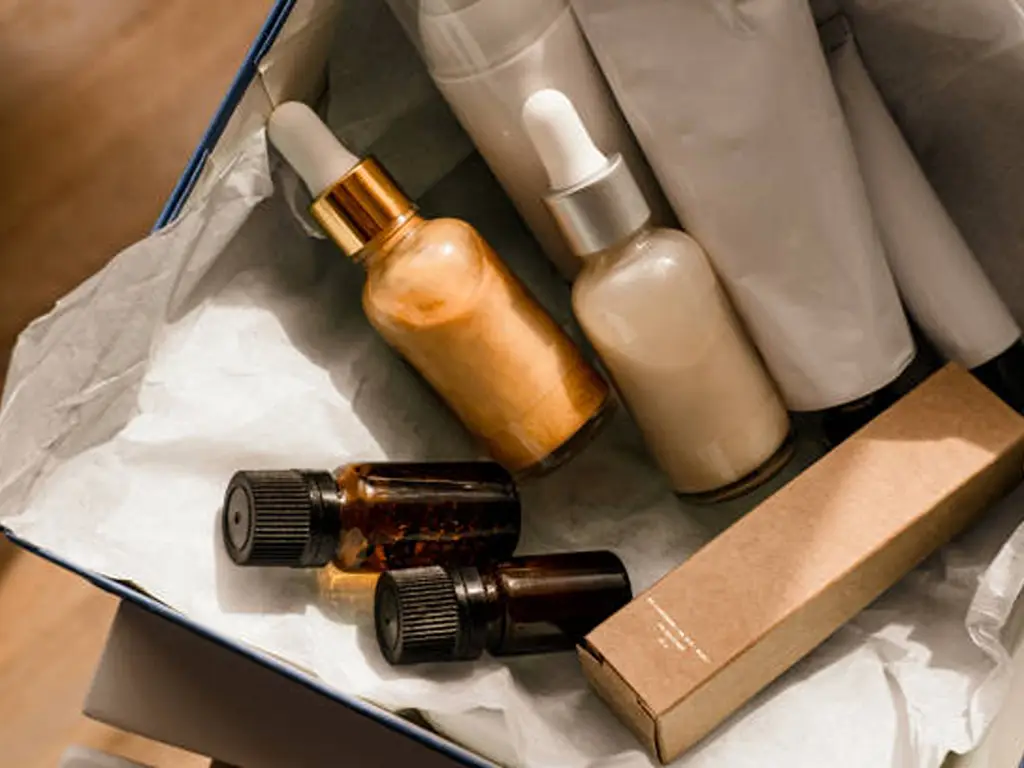
Why Cosmetic Packaging Materials Belong in Your Formula Budget, Not Your Marketing Budget
Pull the thread from the last three sections and a clear business conclusion emerges: packaging material is a formulation decision wearing a marketing costume.
If material is decided by formula chemistry, channel, and price point (and it is), the packaging budget belongs next to the R&D budget, not the marketing budget. The brands that treat it that way avoid the most expensive packaging mistake in the industry: locking a custom bottle while the formula is still evolving, then discovering that a change in viscosity, fill volume, or preservative system has orphaned thousands of units of packaging. Decide the container at the same moment you freeze the formula, and the two never fight.
The sustainability thread leads to the same place. We showed that "glass is greener" is not a conclusion but a system property: fill, ship, reuse, recycle. For a brand, that means the eco-claim is only as strong as the packaging system behind it. Reusable or refillable glass, honestly shipped and genuinely recyclable, is a defensible story. A green label on a single-use bottle is a liability in a regulatory environment that is tightening vague claims on both sides of the Atlantic. Packaging strategy and sustainability strategy are the same strategy.
And the supply-side facts we covered (grade bands, wall-thickness control, annealing discipline, seal integrity, delivered-cost math) are not supplier trivia. They are your negotiating and risk-management toolkit. A brand that walks in knowing how to verify crystal-white glass and how to compare landed cost stops being a buyer who hopes and becomes a buyer who knows. That knowledge lets you consolidate volume with fewer, more serious suppliers, which is where the real unit-cost leverage lives.
For a new brand, the sequencing is the plan: test with stock or semi-custom while the market validates, then climb to a custom mold when the numbers prove demand. For an established brand, the same ladder works in reverse: it tells you when a line extension justifies the move up. Either way, the brands that win on packaging are the ones that made the material decision on purpose, in the formula room, with the supply reality on the table, not the ones that picked a pretty bottle last.
Every one of the verification questions in this guide is answerable in a single conversation with a serious supplier. Ask them with our checklist, and if you want a supplier who welcomes the questions, our in-stock bottle program starts at a 1,000-unit minimum, and we're happy to talk to our team about what the grade bands, testing, and lead times look like on your actual product.
Put the checklist to work on your next glass order
Tell us your formula, formats, and volumes — we'll walk you through grade band, wall thickness, tooling, and realistic lead times.
Talk to a glass specialistReferenties
- The Soap Guild. “Cosmetic Packaging.” 2016. https://www.soapguild.org/tools-and-resources/resource-center/63/cosmetic-packaging/
- BBC Future. “Glass or Plastic: Which Is Better for the Environment?” 2023. https://www.bbc.com/future/article/20230427-glass-or-plastic-which-is-better-for-the-environment
- Reddit — r/Entrepreneur. “Looking to Source Glass Bottles from China Instead. Any Experts?” 2022. https://www.reddit.com/r/Entrepreneur/comments/vy0y4e/looking_to_source_glass_bottles_from_china/
- Reddit — r/EuroSkincare. “Glass Packaging or Plastic Packaging?” 2025. https://www.reddit.com/r/EuroSkincare/comments/1jhwu5q/glass_packaging_or_plastic_packaging/
- Reddit — r/Indiemakeupandmore. “PSA for Anyone Shipping Filled Perfume Bottles.” 2026. https://www.reddit.com/r/Indiemakeupandmore/comments/1w6bvy7/psa_for_anyone_shipping_filled_perfume_bottles/
- Daxin Glass Bottles. “In-House Inspection and Quality Management.” https://www.daxinglassbottles.com/quality-management/
- Daxin Glass Bottles. “Perfume Bottles.” https://www.daxinglassbottles.com/perfume-bottles/
- Daxin Glass Bottles. “In-Stock Bottles & Jars.” https://www.daxinglassbottles.com/in-stock/
- Daxin Glass Bottles. “Contact.” https://www.daxinglassbottles.com/contact/
- Daxin Glazen Flessen. Homepage. https://www.daxinglassbottles.com/

 English
  Spanish
  French
  German
  Arabic
  Italian
  Dutch
Dutch  Portuguese
  Russian
  Korean
  Japanese