
Als u een druppelflesje kiest voor etherische oliën, serums of tincturen, lijkt "grootte" een eenvoudige vraag: hoeveel milliliter of ounce kan het flesje bevatten? Het antwoord blijkt echter een ladder te zijn. Bovenaan die ladder staat het feit dat voor iedereen die in grote hoeveelheden inkoopt het belangrijkst is: twee flesjes kunnen beide ‘30 ml’ aangeven, maar toch totaal verschillende druppelaars hebben. Deze gids leidt u van de maattabel naar de specificaties die bepalen of uw bestelling goed afsluit, gevuld kan worden en de verzending op een pallet onbeschadigd doorstaat.
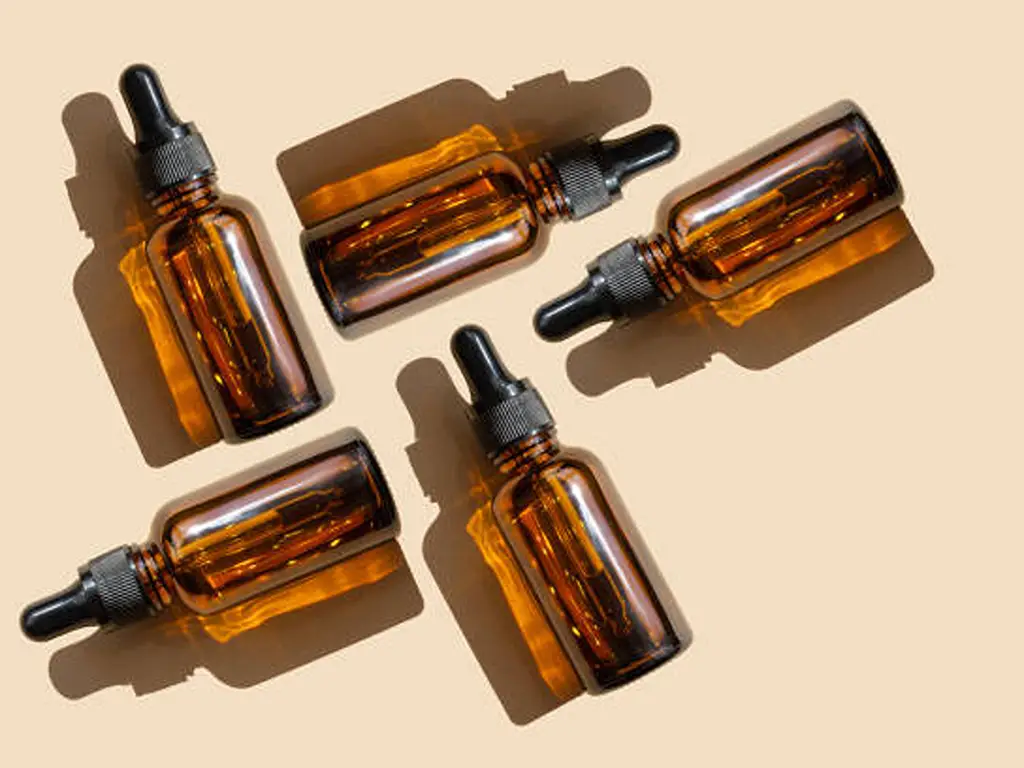
Maten van druppelflesjes, eenvoudig uitgelegd: de volledige tabel in ml en oz en waarvoor elke maat dient
Allereerst een opmerking ter verduidelijking, zodat we het over hetzelfde hebben. Dit artikel gaat over glazen druppelflesjes: de fles, de dop met doorlopende schroefdraad en de pipet met rubberen bol, die worden gebruikt voor etherische oliën, serums en tincturen. Plastic knijpdruppelaars, laboratoriumdruppelflessen met glazen stoppen en oogdruppelflesjes zijn andere producten met andere maatvoeringen; pas deze tabel daarom niet op deze producten toe.
Glazen druppelflesjes worden verkocht in twee parallelle maatsystemen, die niet naadloos in elkaar kunnen worden omgerekend. De industrie hanteert milliliters; een groot deel van de detailhandel in Noord-Amerika hanteert vloeibare ounces, en één Amerikaanse vloeibare ounce is 29,57 ml, niet de 30 ml die afgeronde vermeldingen suggereren. Die afronding is onschadelijk voor dagelijks gebruik, maar kan kostbaar uitpakken wanneer het om uw specificatieblad gaat. "2 oz" kan, afhankelijk van de leverancier, worden vermeld als 59 ml, 60 ml of zelfs 50 ml, en in sommige catalogi worden 50 ml en 60 ml onder dezelfde categorie van 2 oz geschaard. Beschouw elk „oz“-cijfer als een schatting totdat het millilitercijfer op het daadwerkelijke specificatieblad is bevestigd.
Standaardmaten voor druppelflesjes: ml, oz, en de gebruikelijke toepassing voor elk daarvan
| Milliliter | Vloeibare ounces (ca.) | Wat er gewoonlijk in zit | Opmerkingen |
|---|---|---|---|
| 5 ml | 0,17 oz | Proefflesjes, losse noten, proefmengsels | "Omvang van het "monster“, premiumpositionering |
| 10 ml | 0,34 oz | Persoonlijke individuele oliën, voor op reis | Populair vanwege de essentiële oliën met één geurnoot |
| 15 ml | 0,5 oz | Massagemengsels, serums, zelfgemaakte huidverzorgingsproducten | De "standaard" verpakkingsgrootte voor oliën in de detailhandel |
| 30 ml | 1 oz | Professionele mengsels, mengsels voor diffusors, serums voor dagelijks gebruik | De standaardmaat voor de meeste merken |
| 50 ml | 1,7 oz | Drageroliën, bulkmengsels | Wordt door detailhandelaren soms afgerond naar "2 oz" |
| 100 ml | 3,4 oz | Navullingen in bulk, voor gebruik in salons en spa’s | In sommige assortimenten ook vermeld als 4 oz |
Er is nog één getal dat een vroegtijdige correctie verdient, omdat de zoekresultaten hierover volstrekt onjuist zijn. Een typische dropper levert ongeveer 20 druppels per milliliter (ongeveer 0,05 ml per druppel). In sommige gepubliceerde handleidingen wordt 0,5–1 ml per druppel vermeld, een fout van een orde van grootte, waardoor hun antwoorden op de vraag "hoeveel druppels zitten er in een flesje van 15 ml" niet kloppen. Beschouw 20 druppels/ml als een uitgangspunt, niet als een vaste regel: de werkelijke druppelgrootte hangt af van de opening van de pipetpunt, de viscositeit van de vloeistof en de oppervlaktespanning, en een spreiding van ±20–30% tussen producten is normaal. De praktische les: Druppels zijn bedoeld voor gebruiksgemak, en nooit als doseereenheid. Indien uw formule een claim per druppel bevat, controleer dan de daadwerkelijke afvulhoeveelheid in plaats van af te gaan op rekenkundige berekeningen.
Wat "maat" werkelijk betekent: afmetingen in gemonteerde toestand, etiketoppervlak en waarom de druppelaar extra hoogte toevoegt
Wanneer u één fles voor thuisgebruik koopt, is de inhoud het enige waar u op let. Zodra u tientallen flessen bestelt voor etiketten, verzenddozen of winkelschappen, krijgt het begrip "grootte" een andere betekenis. Het wordt de gemonteerd afmetingen: de totale hoogte van de fles met de druppelaar erop, de diameter van de fles en het vlakke etiketgedeelte.
Het is vooral de druppelaar die mensen verbaast. Een druppelaarsluiting met doorlopende schroefdraad bestaat uit een kraag, een bol en een dop boven de flessenmond, en dat geheel voegt doorgaans 2,5–3,5 cm toe aan de hoogte van de fles zonder deze onderdelen. Een flesje van 30 ml dat ongeveer 9 cm hoog is, kan met de druppelaar erop 11–12 cm hoog worden. Dat bepaalt of het past op uw schap, in een laag van uw verzenddoos of in de reistas van uw klant. Wanneer een leverancier alleen de hoogte van de fles zelf vermeldt, vraag dan naar de hoogte "met druppelaar" voordat u de verpakking daarop afstemt.
Het tweede aspect dat een rol speelt, is het etiketoppervlak. In de detailhandel hanteren etiketten voor druppelflesjes doorgaans enkele standaardafmetingen per maat, namelijk ongeveer 1,25″ × 2,5″–1,625″ × 3,25″ voor 15 ml (0,5 oz), 1,5″ × 3″–1,75″ × 3,5″ voor 30 ml (1 oz) en tot ongeveer 2,125″ × 4,75″ voor flessen van 60 ml (2 oz). Dit zijn nuttige uitgangspunten, maar ze gaan uit van een conventionele cilindrische flessenvorm. Dezelfde inhoud in een gedrongen Boston-round-fles, een vierkante fles of een taps toelopende "speciaal gevormde" fles levert een ander bruikbaar vlak op, en een gematteerde of frosted afwerking kan het gedrag van de lijm beïnvloeden. Bestel etiketten pas nadat u de daadwerkelijke fles in handen hebt, of een maattekening van de leverancier.
Grootte, de tweede manier
Er geldt één regel: De capaciteit en de afmetingen zijn onafhankelijke gegevens. De 'druppelflesjes van 30 ml" van twee leveranciers kunnen qua hoogte, diameter en etiketoppervlak verschillen, terwijl ze hetzelfde volume bevatten. Indien enig onderdeel van uw plan – zoals de afmetingen van het etiket, de indeling van de doos of de afstand tussen de producten op het schap – is gebaseerd op de afmetingen van één leverancier, dient u dit te toetsen aan het specificatieblad van het flesje dat u daadwerkelijk hebt besteld.
De specificatie die belangrijker is dan het volume: afwerkingen van de hals en waarom twee flesjes van "30 ml" verschillende druppelaars hebben
Hier houdt de kwestie van de "formaten van druppelflesjes" op een kwestie van inhoud te zijn en wordt het een kwestie van specificaties. De op de fles aangegeven inhoud is niet bepalend voor welk druppeltuitje erop past. De afwerking van de hals betreft: de bewerkte geometrie van de flessenmond, met inbegrip van de buitendiameter en het schroefdraadprofiel.
Basisprincipes van de halsafwerking: waarom de afwerking de werkelijke maat is
In de branche worden sluitingen aangeduid met een nummer zoals 20-400 of 24-410. De eerste cijfers geven de geschatte buitendiameter van de sluiting in millimeter aan; de cijfers achter de streep beschrijven de schroefdraad- en afdichtingsconfiguratie. Een fles met de aanduiding 20-400 en een fles met de aanduiding 24-410 hebben dus een verschillende diameter bij de opening, ook al hebben beide een inhoud van 30 ml. Hun sluitingen zijn niet onderling uitwisselbaar: een 20-400-dop sluit niet goed af op een 24-410-opening (SKS Bottle & Packaging, "Cap and Neck Finishes"). In de praktijk worden de 18-400- en 20-400-afwerkingen het meest gebruikt voor druppelaars en fijne verstuivers op glasverpakkingen van klein formaat. De 24-410-afwerking komt voor op lotion- en serumverpakkingen met een bredere opening (Liquid Bottles, "Guide to Bottle Neck Finishes").
Veelvoorkomende halsafwerkingen bij druppelflesjes
| Afwerking | Geschatte diameter | Typisch verspreidingsgebied | Opmerkingen |
|---|---|---|---|
| 18-400 | 18 mm | Monster- en reisflesjes | Druppelflesjes in klein formaat |
| 20-400 | 20 mm | Druppelflesjes van 1 oz / 30 ml | De meest gangbare druppeldop in de detailhandel; zoek op "20-400 druppeldop" en u zult flessen van 30 ml zien |
| 24-410 | 24 mm | Lotion-, serum- en flessen met een bredere opening | Doorlopende schroefdraad met inlegring; ook te zien bij grotere druppelflesjes |
Glas van Chinese makelij (waar de meeste druppelflesjes worden vervaardigd) wordt vaak in millimeter aangegeven, met termen als "18 mm hals", "20 mm hals" of "24 mm hals". Soms zult u zien dat deze twee aanduidingen door elkaar worden gebruikt. De overeenkomst tussen de verschillende fabrieken is bij benadering en niet gegarandeerd; de enige betrouwbare indicatie is de afwerkingscode op de tekening van de fles.
Waarom niet-overeenkomende schroefdraden de meest voorkomende oorzaak zijn van mislukte bestellingen
Twee flesjes kunnen beide de vermelding "30 ml" dragen en toch verschillende druppelaars hebben. Bestel de sluiting op basis van de halsvorm, nooit op basis van het volume op het etiket. Een druppelaar die eruitziet alsof hij erop geschroefd kan worden, maar niet op de halsvorm is afgestemd, zal vastlopen, gaan lekken of de binnenvoering beschadigen.
Waarom komt het zo vaak voor dat de schroefdraad niet goed aansluit? Omdat een druppeldop op drie plaatsen tegelijk in de opening van de fles grijpt: het schroefdraadprofiel (steek en spoed), het afdichtingsvlak aan de bovenkant van de opening en de binnenring die ertegenaan wordt samengedrukt. Een dop met de juiste diameter maar de verkeerde spoed zal eerst in de schroefdraad lopen en vervolgens vastlopen. Een dop met de juiste schroefdraad maar een voering die op de verkeerde plaats zit, zal strak aanvoelen en toch lekken. Dit is geen defect aan de fles; het is een mismatch tussen twee onderdelen die elk correct zijn vervaardigd volgens verschillende specificaties. Wanneer kopers "een flesje van 15 ml en de bijbehorende druppelaar" als set bestellen bij een leverancier die beide onderdelen assembleert, is het de taak van de leverancier om deze mismatch op te lossen, niet die van u. Dat is precies de reden waarom sets met "bij elkaar passende" flesjes van goedkope marktplaatsen voortdurend aanleiding geven tot klachten over doppen die "op geen van beide flesmaten passen" (discussie in een Facebook-groep over verpakkingen, 2023).
De keuze voor een druppelaar is een beslissing op het gebied van opslag, geen detail van de hardware
De derde keuze die schuilgaat achter de term "grootte" betreft de stijl van de druppelaar zelf, die in feite een opslag besluit:
- Standaarddruppeldoppen (een bolletje en een pipet in een dop met doorlopende schroefdraad) zijn handig voor dagelijks gebruik en zijn geschikt voor producten die binnen enkele maanden worden verbruikt.
- Droppers in Europese stijl (met rand), zoals men die kent van grote oliemerken die via directe verkoop werken, worden de pipetten in een kraag geplaatst die de bol beschermt tegen de mond van de fles. Ervaren gebruikers melden dat deze minder lekken en langzamer verslijten dan standaardmodellen (discussie op r/essentialoils, 2026).
- Gebruik afzonderlijke, gewone dopjes met een pipet naar behoefte Dit is het professionele advies voor langdurige opslag. Etherische oliën tasten rubber langzaam aan. Beoefenaars van aromatherapie bewaren oliën onder met polycone beklede dopjes en gebruiken een aparte pipet bij het doseren, in plaats van de olie jarenlang onder een rubberen balg te bewaren (r/essentialoils, 2026).
De juiste volgorde bij het nemen van beslissingen is dus als volgt: bepaal eerst hoe het product zal worden opgeslagen en verzonden, kies vervolgens het type sluiting en stem de afwerking daarvan af op de fles. De meeste klachten over lekkage zijn terug te voeren op het feit dat deze volgorde in omgekeerde richting wordt gevolgd.
Geef uw gewenste afmetingen en het type formule door, dan zorgen wij ervoor dat de afwerking en de druppelaar op elkaar zijn afgestemd voordat u een definitieve keuze maakt voor een matrijs.
Kies alstublieft de juiste afwerking voor mijVan nominaal naar vulbaar: vrije ruimte, pipetbereik en de materialen van de bol die bestand zijn tegen uw formule
Als u flessen koopt om te vullen en te verkopen, verandert de kwestie van de inhoud opnieuw: het getal op de fles is een tot de rand cijfer, en het is niet het volume dat u daadwerkelijk kunt vullen.
Van nominaal naar vulbaar: wat u er werkelijk in kunt doen
De nominale capaciteit wordt gemeten tot aan de rand. Bij het vullen in de praktijk wordt ruim onder dit niveau gestopt, en wel om drie redenen. Ten eerste heeft de pipet ruimte nodig om goed te kunnen worden geplaatst zonder dat het product over de rand wordt geduwd. Ten tweede hebben de dop en de binnenvoering een schoon afdichtingsoppervlak nodig, en product dat achterblijft op de afwerkingsrand of de schroefdraad is de meest voorkomende oorzaak van een "lekkende" fles die correct is gevuld. Ten derde hebben de meeste afvullijnen een constante vrije ruimte boven het product nodig voor de verwerking en thermische uitzetting. Het resultaat is dat een fles van "30 ml" doorgaans wordt verzonden met 25–28 ml product wanneer de druppelaar deel uitmaakt van de verpakking. Dit is geen ondervulling; het is een kwestie van geometrie. Indien uw markt communiceert in milliliters op het etiket, vermeld dan op het etiket wat u vult en controleer of de maximale inhoud van de fles u de vrije ruimte biedt die uw afvullijn nodig heeft.
De pipet zelf is het onderdeel waarvan iedereen vergeet de juiste maat te kiezen. Een pipet moet de vloeistof kunnen bereiken op de laagste het vulniveau waarop u het product verkoopt, aangezien een klant die de laatste 20% van de fles gebruikt, nog steeds doseert. Dit moet gebeuren zonder dat de pipet de bodem van de fles raakt. De lengte van de pipet, de inwendige hoogte van de fles en de capaciteit van de bol vormen een op elkaar afgestemd geheel: als u één van deze factoren wijzigt, verandert u de dosering. Dikke serums vormen een extra beperking. Een smalle pipet kan weigeren een viskeus product op te zuigen, zelfs uit een perfect afgesloten fles, en een bredere pipet verandert de druppelgrootte en het doseergedrag (Glory Star Pack, "Lekt uw druppelfles? Gids voor afdichting en pipetten", 2026).

De vorm en de voering zijn ontwerpkeuzes
De lamp en de voering zijn keuzes die op basis van de formule worden gemaakt, niet op basis van de hardware. Ballen van natuurlijk rubber raken aangetast wanneer zij in contact komen met etherische oliën en mengsels op alcoholbasis. Gebruikers beschrijven dat de bal binnen enkele maanden na opslag in combinatie met olie gaat "bloeien", plakkerig wordt of kleverig gaat aanvoelen (r/essentialoils, 2026). De verschillende materiaalgroepen gedragen zich op uiteenlopende wijze:
Materialen voor lampen en voeringen versus gangbare samenstellingen
| Materiaal van de onderdelen | Familie | Gedrag bij gebruik van oliën / alcohol / serums | Waar men het vaak aantreft |
|---|---|---|---|
| Natuurlijk rubber | Elastomeer | Wordt aangetast ("bloeit op", wordt plakkerig) door agressieve etherische oliën | De goedkoopste druppelaars, zwarte lampen |
| Butylrubber | Elastomeer | Goede oliebestendigheid, goed herstelvermogen van de afdichting | Druppelaars volgens kwaliteitsnormen |
| TPE / Monprene-achtig | Thermoplastisch elastomeer | Zeer goede bestendigheid tegen etherische oliën, weinig bloei | Hoogwaardige "witte" druppelaars, die de voorkeur genieten van olieleveranciers |
| Silicone | Elastomeer | Brede chemische bestendigheid, zachter | Gespecialiseerde afgifte |
| Polycone-voering (in hoofdletters) | Liner | Is goed bestand tegen oliën en alcohol | Doppen van fenolhars of PP voor langdurige opslag |
Hieruit vloeien twee praktische regels voort. Ten eerste: keur nooit een lamp of voering op een materiaal goed naam op zichzelf. De specifieke kwaliteit, de formule waarmee het in aanraking komt en de contacttijd spelen allemaal een rol, en een druppelaar die uitstekend bestand is tegen water kan binnen zes weken worden aangetast door een citrusolie. Ten tweede: als u een product met een ingebouwde druppelaar verzendt, vormt de verzending zelf een test voor de blootstelling van de formule: de ligging, de temperatuur en het geschud kunnen ervoor zorgen dat het product op een manier in het bolgedeelte terechtkomt die bij laboratoriumtests nooit zal voorkomen. Als uw product een olie met een lange houdbaarheid is, levert de configuratie met een "aparte dop en pipet" geen kostenbesparing op; het is de technische oplossing.
Wat een leverancier u zou moeten verstrekken voordat u een verbintenis aangaat
Wat dient een leverancier u te verstrekken voordat u een keuze maakt voor een standaard- of op maat gemaakte druppelfles? Onze ervaring leert dat een volledig antwoord op één pagina past:
- de de tekening afmaken met betrekking tot de fles (diameter, schroefdraadprofiel, afdichtingsrand), niet alleen een foto;
- de Specificaties van de druppelaarconstructie afgestemd op die afwerking, de dop, het materiaal van de lamp en de lengte van de pipet;
- de materiaaldeclaratie voor de lamp en de voering, plus eventuele gegevens uit compatibiliteitstests met alcohol of oliën, indien u de samenstelling verstrekt;
- a Controle van de verzegeling van de gevulde verpakking, waarbij de afdichting is getest met vloeistof in de fles, in de stand waarin uw pakket zal worden vervoerd, en niet door middel van een draadtest met een lege fles; en
- de afmetingen in gemonteerde toestand (hoogte inclusief druppelaar), zodat het ontwerp van uw doos en etiket kan worden afgerond.
Juist voor deze kwalificatiestap bestaan er gestandaardiseerde tests voor het behoud van het draaimoment: ASTM D2063/D2063M meet hoe het verwijderingsdraaimoment zich in de loop van de tijd houdt bij sluitingen met doorlopende schroefdraad onder gecontroleerde omstandigheden (ASTM International, 2024). Let goed op wat deze test wel en niet is. Het is een kader om te meten hoe een bepaald sluitsysteem zich in de loop van de tijd gedraagt. Het levert u geen universele koppelwaarde op voor elke cosmetische druppelaar, en het kan het testen van uw daadwerkelijke formule in de daadwerkelijke verpakking niet vervangen. Indien een leverancier deze vijf punten niet kan of wil beantwoorden, beschouw die weigering dan als het antwoord. De specificatie is nog niet volledig, en uw toekomstige klachten over lekkage zullen terug te voeren zijn op deze ontbrekende pagina.
U hoeft dit allemaal niet zomaar op uw woord te geloven, aangezien u het eerst op papier kunt bekijken. Wanneer wij de leverancier zijn, wordt die kwalificatie van één pagina samen met het monster meegeleverd: Daxin Glass biedt druppelflesjes op voorraad aan in maten van 15 ml tot 100 ml, variërend van ons assortiment glazen flesjes voor etherische oliën. Elke bestelling ondergaat een inspectie in drie fasen: uiterlijk; werking (luchtdichtheid tegen lekkage, corrosiebestendigheid tegen alcohol en geurstoffen); en verpakking, dit alles onder ons kwaliteitsbeheer- en inspectieproces. Het percentage goedgekeurde leveringen bedraagt 98% of hoger voordat het product de productievloer verlaat.
Een druppelfles die lekt? Volg het traject en de vragen die u moet stellen voordat u uw volgende bestelling plaatst
Lekken zijn de meest voorkomende klacht over druppelflesjes, en worden het vaakst verkeerd gediagnosticeerd, omdat een lekkende druppelfles is niet één defect dat met één oplossing kan worden verholpen. Het product kan weglekken langs de afdichtingsrand, via verontreinigde schroefdraden, tussen de bol en de kraag, rondom een slecht geplaatste pipet of via beschadigd glas. Een natte kraag kan op elk van deze oorzaken wijzen, zodat hetzelfde symptoom vier verschillende oorzaken kan hebben.
Voordat u iets vastdraait, moet u even wachten. Te strak aandraaien is de op één na meest voorkomende fout, na het gebruik van onderling niet-compatibele onderdelen: hierdoor kan een slechte afdichting tijdelijk standhouden, terwijl de binnenbekleding, de schroefdraad of de kraag beschadigd raakt. Maak in plaats daarvan de fles schoon, leg deze opzij en kijk goed na waarbij waar de vochtigheid zich voor het eerst voordoet, en onder welke omstandigheden: rechtop, op zijn kant, of na een temperatuurverandering. De locatie en het tijdstip vormen uw diagnostische aanwijzingen.
Diagnose van een lek in een druppelfles: symptoom → eerste aanpak → maatregel
| Symptoom | Het meest waarschijnlijke eerste traject | Controle met concrete aanbevelingen |
|---|---|---|
| Natte kraag / nekgaten | Product op de afwerking of draden bij het vullen, of een afwijking in de draden | Controleer of het vulniveau buiten de schroefdraad blijft; controleer of de afwerking voldoet aan de specificaties voor de afsluiting |
| Tranen op de bovenkant van de pet | De voering is vervormd, er is te veel koppel op uitgeoefend of het betreft een verkeerde voering voor deze formule | Controleer het materiaal van de voering ten opzichte van de formule; breng het opnieuw aan binnen het aanhaalmomentbereik |
| Plakkerige of kleverige bol | Formule die het elastomeer aantast | Vervang door compatibel materiaal (butyl/TPE); schakel over op opslag met afzonderlijke doppen voor een lange houdbaarheid |
| Vocht rondom de opening van de pipet | Afdichting met bolvormige kraag of pipetbevestiging | Controleer of de kraag goed aansluit; vergelijk de diameter van de pipet met die van de kraag |
| De vloeistof komt niet in de pipet (dikke vloeistof) | De pipet is te smal of te kort voor de viscositeit / het vulniveau | De pipet breder of langer maken; de dosering opnieuw vaststellen |
(Samengesteld op basis van storingspatronen die zijn gemeld door gebruikers van etherische oliën en huidverzorgingsproducten op diverse verpakkingsforums en in de technische documentatie van leveranciers, 2023–2026.)
Eén grens moet duidelijk worden aangegeven: een De test met de lege fles is geen goedkeuring. Een leeg monster geeft uitsluitsel over de schroefdraadverbinding, de montage en het uiterlijk; het zegt echter niets over hoe de verpakking zich gedraagt wanneer deze gevuld is met uw product, tijdens uw afvulproces of tijdens het transport. Indien u een nieuw systeem van fles en druppelaar kwalificeert, is de acceptatietest de gevulde verpakking: uw product, uw vulniveau, realistische stand en temperaturen, en een monster dat na het transport van het pakket wordt genomen.
Stel daarom, voordat u uw volgende bestelling plaatst, vijf vragen en noteer de antwoorden:
- Wat is de exacte afwerking van de hals, en komt de specificatie van de dropper-assemblage daarmee overeen?
- Van welk materiaal is de lamp gemaakt, en van welk materiaal is de binnenbekleding gemaakt, en zijn deze getest aan de hand van mijn formule?
- Werd de verzegeling gecontroleerd op een gevulde verpakking of op een lege fles?
- Hoe wordt het product verzonden: met de druppelaar al aangebracht, of met een aparte dop en een pipet erbij verpakt?
- Wat is de aanleiding voor een hervalidatie? Als ik de samenstelling, het vulniveau of de leverancier van de druppelaar wijzig, wordt de verpakking dan opnieuw getest?
Een leverancier die deze vijf vragen beantwoordt op basis van een specificatieblad, in plaats van op basis van geruststellende woorden, vertelt u de waarheid over zijn proces. Dat is het criterium dat belangrijker is dan welke prijs dan ook.
De zakelijke argumenten voor het standaardiseren van de specificaties van druppelflesjes, en niet alleen de maten
Als u de rode draad uit de voorgaande paragrafen volgt, schrijft de businesscase zich vanzelf. De nominale capaciteit bevat geen informatie over de afwerking; de keuze voor de lamp is een berekening; en lekken zijn te wijten aan hiaten in de specificaties, niet aan pech. Samen komen deze punten op hetzelfde neer: De verborgen kosten bij de inkoop van druppelflesjes liggen in de onduidelijkheid van de specificaties, niet in de eenheidsprijs. Neem een fles die 20% goedkoper is. Tel daar één herstelronde vanwege lekkage, een afgedankte etikettenserie of een discussie op de klantenservice over vastzittende lampjes bij op, en de kosten bedragen al meer dan het prijsverschil.
Voor een merk ligt de oplossing in het beheren van de SKU-lijst op twee assen: capaciteit × afwerking, in plaats van alleen capaciteit. Wanneer elke fles van 30 ml in uw assortiment dezelfde afwerking heeft, hoeft u slechts één druppelaar, één binnenfles en één set gevalideerde koppel- en vulparameters op voorraad te houden. Elke nieuwe formule wordt dan een materiaaltest in plaats van een nieuw verpakkingsproject. Wanneer verschillende inhoudsmaten dezelfde afsluiting hebben, kan een mislukte productlijn naadloos worden omgezet naar een andere maat. Dit is de reden waarom gevestigde olie- en serummerken zo rigoureus standaardiseren: het samenvoegen van specificaties leidt tot het samenvoegen van voorraden.
Er is één duidelijke grens aan dit hele betoog: dit alles is geen vrijbrief om de duurste optie aan te schaffen. De driedelige specificatie (vulcapaciteit, een vaste afwerking en een op formule geteste fles en binnenzak, beproefd op een gevulde verpakking) vormt een drempel voor volledigheid, geen prijsopslag. Elke bekwame leverancier zou dit tegen standaardprijzen voor standaardflessen moeten kunnen aantonen; u betaalt pas meer wanneer u kiest voor op maat gemaakte mallen.
Bent u klaar om ons assortiment te vergelijken aan de hand van die driedelige specificatie? Onze glazen flesjes voor etherische oliën en serums zijn verkrijgbaar in standaarddruppelverpakkingen van 15 ml tot 100 ml, met druppelaars, rollerballs of openingverkleiners die zijn afgestemd op het type sluiting dat uw formule vereist. Ons standaardassortiment heeft een lage minimale afname van 1.000 stuks en wordt snel verzonden, zodat u de markt kunt testen zonder dat u daarvoor een heel magazijn hoeft in te zetten (ons assortiment op voorraad en ons beleid inzake lage minimale afnamehoeveelheden). Indien het standaardassortiment niet voldoet, gaat ons ontwerpteam uit van uw vulcapaciteit en de gewenste afwerking. De ontwerpontwerpen worden binnen drie werkdagen teruggestuurd, zodat het specificatieblad al beschikbaar is voordat de bestelling wordt geplaatst.
Als u een formule in ontwikkeling hebt en wilt weten welke combinatie van maat, afwerking en druppelaar deze daadwerkelijk zal doorstaan, stuur dan het productprofiel naar Daxin Glass. De vulcapaciteit, de gewenste afwerking en het type formule zijn de drie gegevens waarmee wij op de juiste manier aan de slag kunnen. Dat is het gesprek over de maat dat de moeite waard is.
Kies een fles, dop en druppelaar die bestand zijn tegen uw melkpoeder.
Van standaard druppelflesjes (15–100 ml, lage minimale afname van 1.000 stuks) tot op maat gemaakte halsvormen: stuur ons uw formuleprofiel en de gewenste afmetingen, en u ontvangt de definitieve tekening, de materiaaldeclaratie en de testresultaten voor de verzegeling van de gevulde verpakkingen nog voordat de productie van start gaat.
Stuur uw formuleprofiel in


 English
  Spanish
  French
  German
  Arabic
  Italian
  Dutch
Dutch  Portuguese
  Russian
  Korean
  Japanese