
Inleiding
Het ontwerp van een wijnfles is niet zomaar een vat, het is een complex kruispunt tussen de historische traditie en glastechniek. Voor de wijnhandelaar of wijnproducent is het een logistieke berekening van gewichten en afmetingen. Maar voor de wijnliefhebber of wijnbeginner die een etentje organiseert, is de kwestie van de grootte van wijnflessen praktischer: hoe schenkt u elke gast een glas wijn in. Of het nu de standaardfles is die op elke tafel staat of de grotere flessen die naar bijbelse koningen vernoemd zijn, deze gids zal het scala aan glasformaten ontsluiten, zodat u het beste formaat kunt kiezen voor elke wijnbelevenis.
Uitgebreid overzicht
Bij de analyse van de verschillende maten wijnflessen is het eerste waar de consument naar kan kijken het volume in vergelijking met een enkel glas wijn. Het ideale schenkvolume in de professionele horeca is 150 ml (5 oz). Deze verhoudingen zijn cruciaal voor het beheer van de inventaris in een wijnkelder en de coördinatie van evenementen.
| Naam fles | Volume | Std. flessen | Glazen (5oz) | Hoogte (mm/in) | Max Diameter | Volledig gewicht (schatting) | Beste Gebruikscasus |
| Piccolo / Split | 187,5ml | 0.25 | 1 | 178 / 7,0″ | 53 mm / 2,1″ | 0,4kg / 0,9lb | Luchtvaartmaatschappijen, Hotels |
| Demi / Half | 375ml | 0.5 | 2.5 | 241 / 9,5″ | 60mm / 2,4″ | 0,8kg / 1,8lb | Dessertwijnen, Solo |
| Standaard | 750ml | 1 | 5 | 300 / 11,8″ | 75 mm / 2,9″ | 1,3kg / 2,8lb | Detailhandel, Dagelijks gebruik |
| Magnum | 1.5L | 2 | 10 | 350 / 13,8″ | 102 mm / 4,0″ | 2,7kg / 6,0lb | Feesten, Kelderen |
| Jeroboam (Nog steeds) | 3.0L | 4 | 20 | 457 / 18,0″ | 127 mm / 5,0″ | 5,5kg / 12lb | Vieringen |
| Rehoboam | 4.5L | 6 | 30 | 495 / 19,5″ | 152 mm / 6,0″ | 8,2kg / 18lb | Zeldzaam / Sprankelend |
| Methusalem | 6.0L | 8 | 40 | 559 / 22,0″ | 171 mm / 6,7″ | 11kg / 24lb | Pronkstuk |
| Salmanazar | 9.0L | 12 | 60 | 635 / 25,0″ | 190 mm / 7,5″ | 16kg / 35lb | Zakelijke evenementen |
| Balthazar | 12.0L | 16 | 80 | 711 / 28,0″ | 203 mm / 8,0″ | 22kg | Luxe geschenken |
| Nebukadnezar | 15.0L | 20 | 100 | 787 / 31,0″ | 228 mm / 9,0″ | 27kg / 60lb | Grote openingen |
De geschiedenis en afmetingen van grote formaten
De geschiedenis van de nomenclatuur van de grotere flessen is een interessant historisch feit dat de hedendaagse wijnbouw met de oude verbindt. Hoewel de industriële standaard van een fles wijn in de jaren 70 een fles van 750 ml was, zijn grote flessen nog steeds het ideale middel om prestige aan te geven. Hieronder vindt u een overzicht van de verschillende vormen en de historische persoonlijkheden die ze herdenken:
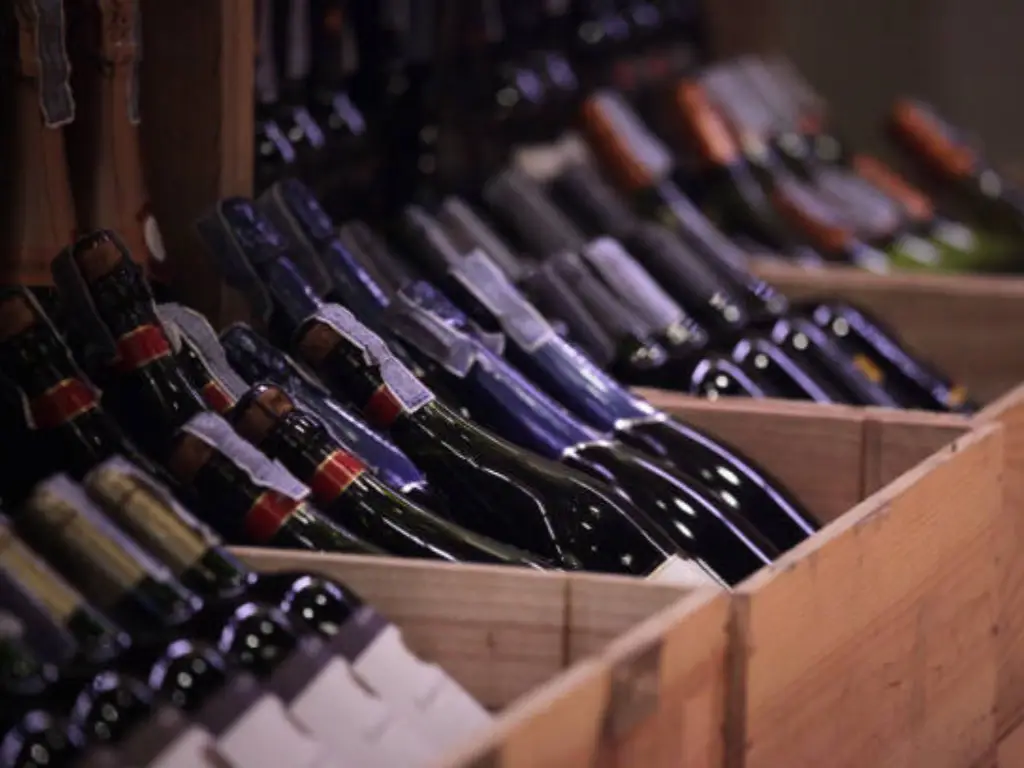
- Magnum (1,5 liter / 2 flessen): De handigste van de grotere maten. De naam vertaalt in het Latijn gewoon naar groot. Technisch gezien zijn magnumflessen populair bij wijnproducenten omdat ze het beste formaat bieden voor langzame rijping.
- Jeroboam (3 Liter / 4 Flessen): Deze is vernoemd naar de eerste koning van Noord-Israël. Een Jeroboam is 3L in de wereld van Champagneflessen, terwijl het in Bordeau soms een 5L fles betekent, wat verklaart waarom wijnhandelaren de verschillende maten wijnflessen per regio moeten verduidelijken.
- Rehoboam (4,5 Liter / 6 Flessen): Deze is vernoemd naar de zoon van koning Salomon. Dit is een flesvorm die bijna uitsluitend in flessen mousserende wijn wordt gebruikt.
- Methusalem (6 Liter / 8 Flessen): Ter nagedachtenis aan de bijbelse patriarch die 969 jaar leefde. Dit is een standaardmaat van een serieuze wijncollectie, meestal met een veel dikker glas om de druk binnenin de bubbels van high-end wijn te ondersteunen.
- Salmanazar (9 Liter / 12 Flessen): Deze is vernoemd naar de Assyrische koning. Een complete krat (12 standaardflessen) in één vat is een grote logistieke uitdaging wat betreft gewicht en het ideale schenkpunt.
- Balthazar (12 Liter / 16 Flessen): De naam van één van de Drie Wijzen. Het is een formaat dat een pronkstuk is en speciale schenkbakken nodig heeft.
- Nebukadnezar (15 Liter / 20 Flessen): Ter nagedachtenis aan de koning van Babylon. Het is meestal de grootste wijnfles die gemakkelijk in een wijnhandelaar te vinden is. Er zijn goede flessenstoppers en grote voorzichtigheid bij het vervoer nodig.
Hoogtes, diameters en gewichten
Voor wijnproducenten en supply chain managers zijn de fysieke afmetingen en vorm van de fles belangrijker dan de historische naam. Zelfs een typische wijnfles is geen homogeen product; het ontwerp verschilt sterk per regio.
- Bordeaux Flessen: Deze zijn rechthoekig met hoge schouders. Dit zijn de meest verspreide wijnflessen ter wereld.
- Bourgogne Flessen: Hebben een kortere hals en schuine schouders, waardoor het glas aan de onderkant een stuk dikker is om op de verschillende maten flessen te passen.
- Elzas/Moezel Flessen: Deze worden vaker gebruikt in witte wijnen en hebben een dunner ontwerp en een langere hals.
| Type fles (750ml) | Gemiddelde hoogte | Gemiddelde diameter | Gemiddeld leeggewicht |
| Bordeaux | 300-330 mm | 73-76 mm | 450-650 g |
| Bourgondië | 280-300 mm | 80-90 mm | 500-700 g |
| Champagne | 300 mm | 85-90 mm | 800-900 g |
Rekcompatibiliteit en doosverpakking
Het ontwerp van de moderne wijnkelder wordt bepaald door de grootte van een typische fles. De 75-76 mm diameter van Bordeaux-flessen is de standaard rekken. Maar als een wijnlijn wordt uitgebreid met Champagneflessen of Bourgogneflessen, vormen de verschillende vormen vaak een probleem bij het opbergen.
De literfles (1,0 L) en de liter wijneenheid zijn logistiek gezien een uitdaging voor de handel. Ze zijn groter en breder dan de standaardfles en hebben speciale verzenddozen nodig.
De duurzaamheid van het glas en de efficiëntie van het palletiseren zijn het belangrijkst bij verzending op grote schaal. Experts adviseren speciale stapelopstellingen bij zendingen van groot formaat. Aangezien de grote flessen, zoals de Magnum flessen, meer gewicht hebben, hebben ze speciale golfkarton verdelers en sterke flessenstoppers nodig om ervoor te zorgen dat er geen lekkage optreedt wanneer de flessen horizontaal worden bewaard.
Verouderingspotentieel en oxidatiewetenschap
De grootte van wijnflessen heeft een grote invloed op de wijnbeleving. Het is een wetenschappelijk feit onder wijnproducenten dat wijn beter rijpt in grotere flessen.
Dit komt door het "ullage" of de verhouding tussen de hoeveelheid zuurstof die zich in het hoogste gedeelte van de hals van de fles bevindt en het totale volume van de vloeistof. De hoeveelheid wijn in een magnumfles is twee keer zo groot als in een standaard wijnfles, maar toch is de zuurstof die onder de kurk opgesloten zit vaak even groot. Hierdoor wordt het oxidatieproces gehalveerd en krijgt de wijn complexere smaken in een langere tijd.
Een halve fles (375 ml) wijn kan over drie jaar als volwassen en verfijnd worden beschouwd, maar dezelfde wijn in een Double Magnum kan over tien jaar als jong worden beschouwd. Hierdoor zijn grotere formaten het beste formaat om in te investeren op de lange termijn.
Branding en maatwerk
De meest effectieve stille ambassadeur van een merk in een verzadigde markt is de vorm van de fles. Hoewel een klassieke vorm een teken van traditie is, kan een slanker ontwerp of een andere flesvorm de aandacht van een consument trekken.
Hedendaagse wijnproducenten zijn ook op zoek naar verschillende formaten flessen om aan bepaalde marktniches te voldoen. Ter illustratie: het liter wijnformaat wordt populair in de bistro wijncategorie en de 375ml Demi fles is de ideale manier om toegang te krijgen tot het segment van soloconsumenten.
Aangepaste vormen of lichtgewicht eco-flessen bieden een concurrentievoordeel aan merken die uniek willen zijn. Om de beste pasvorm voor uw vintage te vinden, is het aan te raden om de volledige lijst met veelzijdige glasoplossingen te bekijken die Daxin biedt. Hebt u een standaard flesformaat nodig om een groot aantal flessen vrij te geven of een aanzienlijk zwaarder glas om Champagneflessen van hoge kwaliteit in te bewaren, dan is het belangrijk om een fabrikant te kiezen die weet hoe hij moet ontwerpen.
Evenement plannen: Hoe het perfecte aantal flessen berekenen
Om het aantal liters wijn te bepalen dat nodig is om op een evenement te serveren, is het niet voldoende om het aantal hoofden te tellen, maar moet u over het juiste gereedschap en een plattegrond van de verschillende maten wijnflessen beschikken.

Bij een formeel diner is het standaard formaat het meest effectief om te schenken. Maar in het geval van een receptie zal een Magnum of Double Magnum als middelpunt dienen en een perfecte schenking geven aan meer mensen.
- Kleine partijen (2-4 personen): 1-2 gewone flessen.
- Diner (8-10 personen): 1 Double Magnum of 5 gewone flessen.
- Grote bruiloften (100+): Een combinatie van gewone flessen om te serveren, en enkele van de grootste flessen (zoals een Salmanazar) om op te proosten.
Zorg altijd voor goede flessenstoppers op elke grote fles die niet leeg is, maar in de meeste feestelijke situaties blijft er nauwelijks een druppel over van een grote fles.
Conclusie
De wereld van de verschillende flesmaten is enorm, van het glas wijn dat aan de bar wordt gedronken tot de grootste wijnfles die in een luxe wijnkelder staat. Voor de professional zijn de afmetingen van wijnflessen een kwestie van millimeters en grammen - een logistiek raadsel dat wordt beantwoord door de nauwkeurigheid van kwaliteitsproductie. Voor de liefhebber is het scala aan flesmaten een ideaal middel om zich te verdiepen in de rijkdom en geschiedenis van de wijnbouw.
Als u het perfecte formaat en de juiste hulpmiddelen kiest om uw wijn in te bewaren, bent u er zeker van dat alle flessen wijn, ongeacht de vorm van de fles, u de ultieme wijnbeleving zullen geven. Om uw merk aan deze hoge structurele en esthetische normen te laten voldoen, bezoekt u de hoogwaardige glascollecties van Daxin. Onze specialisten zijn bereid om oplossingen op maat en productienauwkeurigheid te bieden die uw unieke vintage nodig heeft.

 English
  Spanish
  French
  German
  Arabic
  Italian
  Dutch
Dutch  Portuguese
  Russian
  Korean
  Japanese