
Verschlüsse für Glasflaschen: Alle Verschlusstypen, was zu Ihrer Flasche passt und wie Sie den richtigen Verschluss auswählen
Fragt man zehn Menschen, was ein "Flaschenverschluss" ist, stellt sich die Hälfte davon eine Bierflasche vor. Wenn ihr ein Produkt in einer Glasflasche entwickelt, ist der Verschluss wichtiger als die Flasche selbst. Ein Parfüm, ein Bartöl, ein Serum, eine Mischung aus ätherischen Ölen: Der Verschluss entscheidet darüber, wie sich das Produkt in der Hand anfühlt, ob es den Transport übersteht, ob Kunden es nachfüllen können und ob Ihre Rezeptur nach und nach genau das zerstört, was es verschließt. Dieser Leitfaden behandelt die Verschlussarten, die bei Glasflaschen tatsächlich eine Rolle spielen, wozu sie jeweils passen und welche Parameter Sie prüfen sollten, bevor Sie sich auf eine Bestellung von 10.000 Stück einer bestimmten Sorte festlegen.
Verschlüsse für Glasflaschen: Was "Verschluss" eigentlich bedeutet
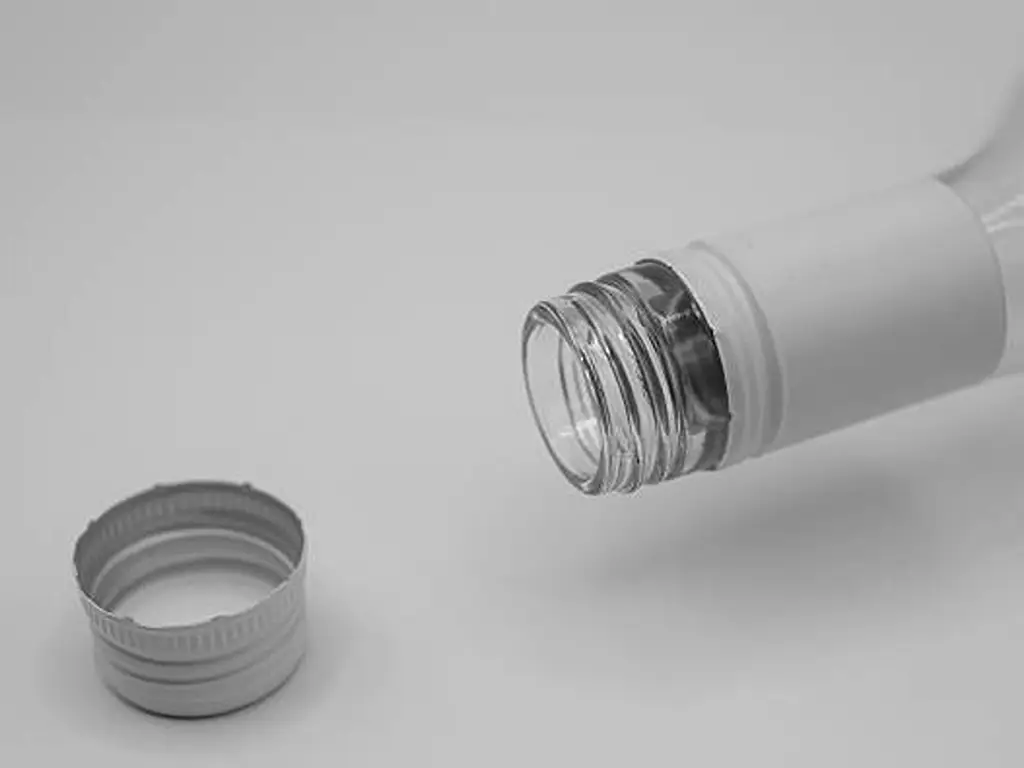
Ein Verschluss besteht nicht nur aus einem Teil. In der Verpackungssprache bezeichnet man damit die gesamte Baugruppe, die die Flasche verschließt. In der Regel handelt es sich dabei um zwei oder drei Teile, die zusammenwirken: eine Außenkappe, einen Inneneinsatz (eine Tropfvorrichtung, einen Öffnungsreduzierer, eine Dichtung oder eine Einlage) und manchmal einen Kragen. Kappe und Deckel sind Alltagsbegriffe für einzelne Teile davon. Abschluss ist die Fachbezeichnung für das System (Verschluss (Behälter), Wikimedia Foundation, 2026).
Eine Vorbemerkung zur Karte: Der berühmteste "Flaschenverschluss" überhaupt – der gekräuselte Metallkronkorken auf Bierflaschen – ist ein ganz anderes Thema, ebenso wie die Sammler, die mit diesen Kronkorken handeln. In diesem Leitfaden geht es um Verschlüsse für Glasflaschen für Parfüms, Kosmetika, Öle und Kleinserien: Baugruppen, die ein Produkt abdichten, das Menschen hunderte Male öffnen, verwenden und wieder verschließen.
Jeder Verschluss lässt sich auf eine von fünf Arten an der Flasche befestigen:
| Befestigungsmechanismus | So funktioniert es | Wo man darauf trifft |
|---|---|---|
| Mit Gewinde (CT / Öse / ROPP) | Lässt sich auf einen Glashals mit Gewinde aufschrauben | Die meisten Schraubverschlüsse, Tropfverschlüsse, Pumpen und Sprühköpfe |
| Gekräuselt | Ein Metallkragen, der sich um den Hals zusammenzieht | Parfümzerstäuber, Kronkorken |
| Schnappverschluss / Reibung | Aufgepresst; durch Presssitz gehalten | Glasverschlüsse, Korken, Ersatzkappen aus Silikon |
| Aufsteckbar (Kunststoff) | Eine Perle am Hals ist verrutscht | Körperpflegeprodukte für den Massenmarkt |
| Scharnier / Bügel | Ein Hebelarm klemmt einen Anschlag fest | Flaschen mit Schwingverschluss |
Diese fünf Kategorien erklären die meisten Verschlussfehler, die in diesem Artikel behandelt werden. Das Gewinde kann sich beim Transport lösen. Das Crimpen ist dauerhaft. Die Reibung hängt vollständig von den Toleranzen ab. Die Wahl des Mechanismus ist die erste Entscheidung, und es lohnt sich, die oben genannten Begriffe zu kennen, bevor Sie fortfahren.
Die 7 wichtigsten Verschlussarten für Glasflaschen
Wenn man nach "Arten von Flaschenverschlüssen" sucht, erhält man Listen mit Weinkorken, Bierkronkorken und Limonadenverschlüssen. Das meiste davon ist für Kosmetik- oder Duftprodukte irrelevant. Bei Glasflaschen für Körperpflege- und Duftprodukte decken sieben Produktfamilien nahezu das gesamte Sortiment ab. Zwei Dinge unterscheiden sie voneinander: wie das Produkt aussieht (oder ob es überhaupt erscheint) und welche Konsistenz von Flüssigkeiten jeder einzelne verträgt.
| Schließungsfamilie | Was es bewirkt | Typisches Spiel |
|---|---|---|
| Einfacher Schraubverschluss | Nur mit Verschluss; zum Eingießen oder Auftragen | Öle, Spülungen, Toner, Nachfüllpackungen für Diffusoren |
| Durchflussbegrenzer | Verschluss mit Dosierelement; Tropfen für Tropfen | Bartöle, Mischungen aus ätherischen Ölen, Seren |
| Nimmt die Mütze ab | Schraubverschluss mit Glaspipette | Seren und Tinkturen, die eine präzise Dosierung erfordern |
| Lotion-Pumpe | Schraubpumpe mit Saugrohr | Lotionen, Körperöle |
| Sprühgerät / Zerstäuber | Feinsprühkopf; mit Riffelung oder zum Aufschrauben | Parfüm, Eau de Cologne, Gesichtssprays |
| Roll-on | Kugelapplikator mit Gewindehals | Deodorants, Roll-on-Öle |
| Ausgießer / Klappverschluss | Kontrolliertes Ausgießen oder Öffnen mit einer Hand | Speiseöle, Sirupe, Duschgels in Glasflaschen |
Die Regel bezüglich der Konsistenz ist eindeutig: Dünnflüssige, alkoholhaltige Flüssigkeiten werden gesprüht. Viskose Öle werden mit einer Pumpe oder einer Pipette dosiert. Bei allem, was dazwischen liegt, kommt es auf die Wahl des Sprühkopfes an. Die meisten Fehlanpassungen und die meisten Beschwerden wie "Mein Sprühkopf ist verstopft" haben hier ihren Ursprung. Wenn Sie ein Bartöl mischen, ist die Wahl zwischen Tropfer und Dosierverschluss keine reine Kosmetik. Tropfer dosieren präzise und erreichen den Boden, aber sie kippen leicht um und erfordern mehr Aufwand bei der Sterilisation. Dosierverschlüsse sehen sauberer aus und verschütten weniger, aber eine kleine Öffnung macht die Entnahme eines dickflüssigen Trägeröls zu einer Geduldsprobe (Welche Art von Flaschenverschluss bevorzugen Sie? (Öffnung/Tropfer?), r/beardoil). Ein Hersteller testete vier verschiedene Verschlussgenerationen, bevor er sich für einen kindersicheren Tropfverschluss entschied. Das Schrumpffolieren jedes einzelnen Verschlusses bei Großhandelsbestellungen schmälerte seine Gewinnspanne. Der erste kindersichere Verschluss ließ sich so schwer öffnen, dass einem Kunden eine Ersatzflasche zugeschickt werden musste.
| Wenn Ihr Produkt … | Eine Familie, die diese Krise übersteht | Wo es typischerweise scheitert |
|---|---|---|
| Parfüm auf Alkoholbasis | Crimp- oder Schraubverdampfer | Leckagen an der Dichtung während des Transports |
| Dickflüssiges Trägeröl (Jojoba, Argan) | Durchflussbegrenzer, mit breiter Öffnung | Reduzierstück zu klein, langsames und unordentliches Ausgießen |
| Serum / Tinktur (zähflüssig, kostbar) | Nimmt die Mütze ab | Das Tropfrohr reicht nicht bis zum Boden |
| Lotion / Körperöl (große Menge) | Lotion-Pumpe | Nicht übereinstimmende Länge des Pumpenschlauchs und der Flaschenhöhe |
| Reines ätherisches Öl | Glastropfer, glasverträgliche Innenteile | Der Gummiball wurde durch das Öl selbst angegriffen |
| Produkt, das nicht mit einem Getränk verwechselt werden darf | Kindersichere Varianten | Die Benutzerfreundlichkeit leidet; testen Sie mit echten Nutzern |
Ein Hinweis zur Materialchemie, denn diese führt häufiger zum Ausfall von Produkten als Undichtigkeiten. Reine ätherische Öle greifen Naturkautschuk an. Terpene lassen den Kolben eines klassischen Tropfens mit Gummikolben aufquellen und zersetzen ihn. Die Dämpfe bewirken dies sogar dann, wenn die Flüssigkeit den Gummi gar nicht berührt (Flaschen und Tropfer, r/essentialoils). Wenn Ihre Rezeptur aggressiv ist, stellt jedes "Standard"-Verschlussteil eine Frage der Kompatibilität dar und ist keine Selbstverständlichkeit.
Crimp- vs. Schraubverdampfer: Die Chargengröße, die den Ausschlag gibt
Bei den edlen Düften gibt es in dieser Kategorie die vielfältigsten Verschlussvarianten. Parfümzerstäuber werden auf eine von zwei Arten am Flakon befestigt. Gekräuselt bedeutet, dass ein Metallkragen dauerhaft mechanisch um den Hals zusammengedrückt wird. Aufschraubbar bedeutet, dass der Zerstäuber aufgeschraubt und wieder abgenommen werden kann. Unabhängige Parfümeure diskutieren genau diese Frage seit Jahren, oft mit Blick auf eine ganz bestimmte Chargengröße (Crimpen oder nicht crimpen? Der ultimative Kampf um die Verschlüsse für 5.000 Flaschen, r/DIYfragrance, 2025).
Die fünf Entscheidungspunkte
1. Ausrüstung. Zum Crimpen braucht man eine Crimpzange. Für kleine Stückzahlen reicht ein manuelles Tischwerkzeug aus; bei größeren Stückzahlen ist eine Maschine erforderlich. Die Spannzange muss genau auf den Halsdurchmesser abgestimmt sein. Bei Schraubverbindungen ist nichts Besonderes erforderlich. 2. Bruch. Unabhängige Hersteller, die zerbrechliche Flaschen von Hand verpressen, geben an, dass ihnen bei der Verwendung von Handwerkzeugen etwa jede dritte Flasche verloren geht. Das maschinelle Verpressen verändert diese Bilanz. 3. Nachfüllbarkeit. A crimped sprayer cannot be removed without destroying it. The bottle is single-life. Screw-on sprayers come off, which is the foundation of every refill program. 4. Transit. Screw caps can work loose in shipping. Crimped seals cannot loosen. But a sloppy crimp lets fragrance evaporate silently, which is worse. 5. Perception. Crimped reads "professional, permanent." Screw-on is sometimes read as cheaper. Even so, prestige houses use screw-on for refillable lines, and the same community that praises crimp's look admits that a screw cap good enough for a luxury refillable is good enough for anyone.
Crimp vs Screw-On Atomizer: Five Decision Points
Profis
Nachteile
Where your volume sits: stock, light customization, or custom mold
Before choosing a sprayer, know which of three lanes you are in. Custom bottle designs carry the highest floor. The lowest custom-mold minimums reported by independent brands sit around 10,000 pieces, with tooling lead time in weeks (Custom fragrance packaging from Alibaba, r/DIYfragrance, 2026). Below that line sit two cheaper lanes. Stock bottles and closures are off-the-shelf: no tooling, ordered by the case. Light customization uses stock shapes with your print, label or color, at minimums far below a mold program. A 5,000-bottle launch is not a custom-mold project. It is a stock-plus-light-customization project, and the supplier conversation is completely different.
| Lane | Werkzeuge | Typical minimum | Lead time feel |
|---|---|---|---|
| Stock (off-the-shelf) | Keine | Case / pallet level | Short — existing inventory |
| Light customization | None (print/décor only) | Mid-hundreds to low thousands | Print and cure time |
| Maßgefertigte Form | New glass or closure mold | ~10,000 reported floor | Mold tooling + production |
The refill trend is changing the math
The structural case for screw-on keeps strengthening. Refillable formats are the fastest-growing corner of fragrance packaging. Analysts value mini refillable perfume bottles at about USD 18.6 billion in 2025, heading toward USD 23.7 billion by 2031 (Mini Refillable Perfume Bottles Market, Research and Markets, 2025). A 2025 FEBEA consumer survey found that 59% of surveyed consumers had bought refillable beauty products. Independent makers already report choosing screw-on specifically to "offer refills and less waste." If your brand story includes refills, and the economics increasingly say it should, a permanent crimp is the wrong closure. It gives the product one life.
Either way, choose on your refill model, not on habit. The closure locks in your business model as firmly as your fragrance formula does.
Settled on crimp or screw-on? Send us the batch size and we will spec the neck finish and closure pairing around it.
Send your volume and get a specHow to Spec a Closure: Neck Finish, Seal, Materials, Compliance
This is where glass bottle closures stop being a shopping question and become an engineering one. The industry standardized the vocabulary. The bottle's mouth is called the finish, and closures are specified against it with a two-part code you can read at a glance.
Start with the finish: the two-number code
A neck finish code such as 20-400 (also written 20/400) is not a fraction. Under Glass Packaging Institute (GPI) conventions, the first number is the nominal outer diameter in millimeters, measured across the threads. The second is the standardized thread style: 400 means a single thread turn, 410 means one-and-a-half turns, 415 means two (Understanding Bottle Neck Finishes: The Difference Between 400, 410, and 415, Regent Plast). Both numbers must match. A 24-410 closure will not fit a 24-400 bottle: same diameter, different thread geometry, guaranteed leak or cross-thread.
3
Finish codes. Three different bottles.
20-400, 20-410 and 24-400 share nothing but a family name. Match both numbers — diameter and thread style — or the closure deal is lost before it starts.
Here is how the code maps to the bottles you are most likely to meet:
| Code | Meaning | Where it typically appears |
|---|---|---|
| 20-400 | 20 mm, single thread turn | Simple screw caps, small stock bottles |
| 20-410 | 20 mm, 1.5 turns | Serums, small dropper and spray bottles |
| 24-410 | 24 mm, 1.5 turns | The cosmetic workhorse — lotion pumps, flip-tops, mist sprayers |
| 28-400 / 28-410 | 28 mm | Larger shoulders and jars |
| 415 family | 2 turns, taller neck | Essential oils, maximum leak protection |
Perfume sprayers use their own code. Crimp necks are specified by FEA sizes (FEA 15, FEA 18, FEA 20, millimeters across the collar), with FEA 15 the most common fine-fragrance size (FEA15 vs FEA18: Perfume Bottle Neck Sizes Explained, Packamor). Neck size is not a function of bottle volume. Some 100 ml bottles are FEA 15; some 50 ml bottles are FEA 18. The only reliable move is to ask the supplier for the spec sheet and test a physical sample before ordering pumps.
Leaks are designed, not discovered
Here is the uncomfortable truth beneath every "it leaked in shipping" story. Screw caps can back off in transit: vibration and temperature cycles work the threads. A crimped closure cannot loosen, but it can be crimped badly (To Crimp or not to Crimp, r/DIYfragrance, 2025). Neither failure is the glass's fault, and neither is visible to the naked eye. What actually seals a glass bottle is a hierarchy of small parts: the liner (foam, pulp or induction foil inside the cap), the Dichtung or inner plug, and, for dispensing closures, the sealing geometry of the pump or dropper itself. Two questions separate brands that ship clean from brands that eat chargebacks:
- What is the sealing element, and what is it made of? A linerless cap seals via a deformable rim. A lined cap depends on the liner's compression set over time and its chemical resistance to your formula.
- What is the torque specification? Application torque, measured in inch-pounds, is the most under-specified parameter in small-brand packaging. Too low, and caps arrive loose. Too high, and customers cannot open them. Ask for your supplier's target range, then verify it on your own filling line. Your capping machine, not their cap, sets the real number.
The practical test that catches most of it needs no lab. Fill a batch with the actual formulation, cap it, and store it inverted for 24–48 hours at room temperature. Repeat with a simulated-shipping shake if you can. Products that survive inverted storage rarely leak in boxes.
Materials vs. your formula — and when child-resistant packaging is legally required
Closure materials form a short list with long consequences. Polypropylene tolerates most cosmetics but not all. Acryl (PMMA) looks premium and glass-clear but can craze under aggressive solvents. Aluminium is light and recyclable. Zinc alloy (zamac) carries heavy, metallic prestige. Wood and bamboo give a natural profile but need careful lacquer selection, because alcohol and oils lift finishes. Two rules of thumb. First, never assume a material is inert against Ihr formula. Seventy-percent ethanol, citrus oils and pure essential oils can degrade parts that were fine in someone else's bottle. Second, always test the finished assembly (formula plus cap, liner and gasket together), because failures live in the combination.
On regulation, one myth needs correcting. Child-resistant (CR) packaging is not required for perfumes or cosmetics as a category in the United States. Under the Poison Prevention Packaging Act (16 CFR Part 1700), CR packaging is triggered by specific hazardous contents at regulated concentrations. Examples include products with 10% or more hydrocarbons by weight, or 4% or more methyl alcohol (Poison Prevention Packaging Act Business Guidance, U.S. CPSC). Enforcement is real. A luxury cosmetics brand recalled an essential-oil blend for exactly this gap. If your formula contains flagged ingredients, or could be mistaken for a drink by a child, plan for CR and its usability trade-offs from day one. CR closures that frustrate adults generate their own customer-service disasters.
Closure Spec Self-Check Before You Order
Who Should Supply Your Glass, Closure, and Finishing?
Once you know the finish, the seal and the material, the last structural question is sourcing. Three paths exist, and they differ in where the risk lands.
Path one: self-assemble. Buy bottles from a bottle maker, closures from a closure specialist, and decorating from a third shop. Each piece can be best-in-class. You pay for it in coordination: three suppliers, three minimums, three lead times, and the classic failure where cap finish and bottle finish were never validated together until the first carton arrives. Path two: a glass manufacturer that supplies closures and finishing in the same order. Bottle and finish are specified together. Closures are matched to that finish. Décor color-matching happens inside one quality system instead of across three. Path three: local wholesale stock. Fast and risk-free for prototypes and first runs. But the catalog owns the decisions, and scaling means switching paths anyway.
For fragrance and cosmetic runs, the decisive question is usually décor consistency. Glass decorating (spray coating, hot stamping, screen printing) and closure finishing (electroplating, anodizing, lacquer) are different process worlds. Color-matching across two factories is where "the cap is a slightly different gold than the bottle" gets born. At Daxin Glass Bottles, that entire chain runs as one single-order custom glass program: the glass bottle, the custom lids and pumps range (Zamac, plastic, acrylic and wooden caps plus perfume sprayers), and the decorating and finishing. There is a library of thousands of existing molds to pull from before you ever pay for a new one. Color samples and closure fit are locked in the same approval round. That is precisely the coordination that breaks down when bottle and cap come from different continents. Self-assembly is still right if you already trust a specialist closure house and need a very unusual cap design. Integration saves coordination; it does not automatically beat a supplier you have worked with for years.
Closure Failures in Real Life: What to Test Before You Fill 10,000
Every failure mode below has a name attached somewhere in the maker community. These are not hypotheticals. They are the ledger of people who shipped before testing.
| Real-world failure | The prevention move |
|---|---|
| Hand-crimping broke roughly one in three fragile bottles | Machine-crimp at volume, or switch to screw-on |
| Crimp applied too loose → fragrance evaporated in storage | Verify crimp tightness on samples before filling |
| Screw caps arrived loose / leaked after transit | Set torque spec; invert-test a batch before shipping |
| Rubber dropper bulb degraded and clouded the oil | Use glass or compatible polymer internals |
| Dropper tube didn't reach the bottom → last 15% wasted | Specify tube length against bottle interior height |
| Child-resistant cap too hard for adults → customer replacements | Prototype CR with real users; check the adult-open rate |
| Thick oil clogged a fine-mist sprayer | Match orifice size to formulation viscosity |
| Silk-screen décor peeled after alcohol wipe-downs | Verify décor cure and alcohol resistance with your formula |
The five-step release check below costs a day of work. It has caught every failure in the table above at least once in someone's production history:
Five-Step Release Check Before a Big Batch
The "sample was perfect, bulk was different" story is almost always a supplier change or a spec drift between sample and production. That is why the last step matters more than it sounds.
The Business View: Stock Bottles Without a Closure Plan Are Half a Product
The inquiries changed: the closure is the first question
Everything in this article compresses into one commercial observation. Customers no longer ask for a bottle. They ask for a bottle that dispenses and seals correctly. The small brands launching 5,000 units on stock bottles have absorbed the failure ledger above. Their first question to a supplier is not "what shapes do you have?" It is "will the cap fit, will it leak, and can I put my logo on it without opening a mold?" A catalog that answers bottle shapes but stays silent on closures forces that buyer to assemble the answer themselves across three suppliers. Most of them, at that stage, move on to whoever answers the whole question. If you stock glass, the closure is not an accessory line. It is the other half of every product you sell.
Assemble stock by the pair, not by the piece
The economics favor pairs. The demand that matters sits in the lane below the custom-mold line. That is the lane where buyers need stock bottles, matched closures and light customization (print, color, label) without a 10,000-piece tooling commitment. The demand clusters into a few high-volume combinations: narrow-neck bottles paired with crimped or screw-on atomizers for fragrance; Boston rounds paired with droppers or orifice reducers for oils; pump bottles paired with lotion pumps. Stocking these as assembled pairs rather than independent bottle and cap SKUs does three things. It answers the buyer's first question before it is asked. It moves the conversation from comparing bottle prices to comparing complete solutions. And it turns the closure margin, historically the forgotten line item, into part of every quote. The boundary to respect is real. Pairing everything with everything is how SKU counts explode and dead stock accumulates. Focus the pairs on the three or four product categories your buyers actually fill, and keep exotic closure requests on special order. That is the difference between a catalog that sells and a warehouse that collects dust.
If you are speccing closures for a new glass bottle run, or restocking a catalog that should have been paired years ago, send your neck finish and target volumes to our team. Get the closure math done before you commit to a mold or a container of anything.
Make the finish the first decision, not the last
Get a glass bottle and closure pairing built around your finish code — sample validation, décor color-matching, and QC documents on request.
Request closure samples and specsReferenzen
- Regent Plast. “Understanding Bottle Neck Finishes: The Difference Between 400, 410, and 415.” 2024. https://regentplast.com/understanding-bottle-neck-finishes-the-difference-between-400-410-and-415/
- Packamor. “FEA15 vs FEA18: Perfume Bottle Neck Sizes Explained.” https://www.packamor.com/blogs/knowledge-hub/fea15-vs-fea18-understanding-perfume-bottle-neck-sizes-before-you-order
- U.S. Consumer Product Safety Commission. “Poison Prevention Packaging Act Business Guidance (16 CFR Part 1700).” https://www.cpsc.gov/Business--Manufacturing/Business-Education/Business-Guidance/PPPA
- Research and Markets. “Mini Refillable Perfume Bottles Market, 2025–2031.” 2025. https://www.researchandmarkets.com/reports/6075200/mini-refillable-perfume-bottles-market-global
- Wikimedia Foundation. “Closure (Container).” 2026. https://en.wikipedia.org/wiki/Closure_(container)
- Reddit — r/DIYfragrance. “To Crimp or Not to Crimp? The Ultimate Cap Battle for 5,000 Bottles.” 2025. https://www.reddit.com/r/DIYfragrance/comments/1hydixf/to_crimp_or_not_to_crimp_the_ultimate_cap_battle/
- Reddit — r/DIYfragrance. “Custom Fragrance Packaging from Alibaba.” 2026. https://www.reddit.com/r/DIYfragrance/comments/1snynt7/custom_fragrance_packaging_from_alibaba/
- Reddit — r/beardoil. “What Type of Bottle Cap Do You Like? (Orifice/Dropper?)” https://www.reddit.com/r/beardoil/comments/5otcin/what_type_of_bottle_cap_do_you_like_orificedropper/
- Reddit — r/essentialoils. “Bottles and Droppers.” https://www.reddit.com/r/essentialoils/comments/bongwo/bottles_and_droppers/
- Daxin Glass Bottles. “Custom Glass Bottles & Jars.” https://www.daxinglassbottles.com/custom-glass-bottles-jars/
- Daxin-Glasflaschen. “Individuell angefertigter Deckel und Pumpe.” https://www.daxinglassbottles.com/custom-lid-pump/
- Daxin Glass Bottles. “Contact.” https://www.daxinglassbottles.com/contact/
- Daxin Glasflaschen. Startseite. https://www.daxinglassbottles.com/


 English
  Spanish
  French
  German
  Arabic
  Italian
  Dutch
Dutch  Portuguese
  Russian
  Korean
  Japanese