
Einführung
Der Behälter, in dem Ihre Flüssigkeiten aufbewahrt werden, hat direkten Einfluss auf die Gesundheit, die Umweltverträglichkeit und die Qualität des Produkts im Allgemeinen. Für den Durchschnittsverbraucher ist die Entscheidung, ob er Glasflaschen oder Plastikflaschen verwendet, eine grundlegende Entscheidung über die Sicherheit von Chemikalien, die Bequemlichkeit im täglichen Leben und die Umweltfreundlichkeit. Für Markeninhaber und Beschaffungsmanager ist genau diese Entscheidung ausschlaggebend für die Produktionskosten, die Logistik des Versands und den hohen Einzelhandelspreis, den ein Produkt erzielen kann. Dies ist ein detaillierter Leitfaden, der eine direkte und sachliche Analyse der beiden Materialien enthält. Wenn es darum geht, sich für sichere Haushaltsprodukte zu entscheiden oder maßgeschneiderte Verpackungen für eine globale Lieferkette zu entwerfen, liefert diese Analyse die genauen Daten, die für die richtige Wahl erforderlich sind.
Entscheidungsmatrix für die Industrie: Glas- vs. Plastikflaschen
Die Wahl der richtigen Verpackung ist selten eine Entscheidung, die für alle passt. Sie beinhaltet einen Kompromiss zwischen Produktintegrität, Markenpositionierung und Lieferkettenlogistik. Um eine fundierte Entscheidung treffen zu können, haben wir die wichtigsten Branchen in fünf wichtigen Dimensionen analysiert.
| Industrie Anwendung | Gesundheits- und Sicherheitsbedürfnisse | Haltbarkeit und Konservierung | Marke Premium Feel | Logistik Kostentoleranz | Abschließende Empfehlung (beste Wahl) |
| Parfüms & Düfte | Hoch (Chemische Trägheit gegenüber Alkohol) | Hervorragend (keine Beeinträchtigung des Geruchs) | Unverzichtbar (Positionierung im Luxusbereich) | Hoch | Glas (absolute Notwendigkeit für strukturelle Integrität und Ästhetik) |
| Hochwertige Spirituosen und Liköre | Hoch | Ausgezeichnet (jahrzehntelange Alterung möglich) | Wesentlich (Gewicht ist gleich Qualität) | Mäßig bis hoch | Glas (Industriestandard; Flaschen auf schwerer Basis bevorzugt) |
| High-End-Hautpflege | Hoch (Schützt die Wirkstoffe) | Ausgezeichnet (UV-Schutz mit Braunglas/Dunkelglas) | Hoch (Trend zur sauberen Schönheit) | Mäßig | Glas (steigert den Verkaufswert und das Vertrauen der Verbraucher) |
| FMCG-Getränke (Wasser/Soda) | Mäßig (BPA-frei erforderlich) | Mäßig (hohe Umschlagshäufigkeit) | Niedrig (volumenabhängig) | Gering (Leichtbauweise erforderlich) | Kunststoff (PET) (am besten für den Massenmarkt und geringere Versandkosten) |
| Babypflege und aktiver Lebensstil | Extrem (keine toxische Auslaugung) | Gut | Mäßig | Mäßig | Kontextabhängig (Glas für den Hausgebrauch/Sicherheit; BPA-freier Kunststoff für Reisen) |
Vor- und Nachteile von Glas und Kunststoff
Glasverpackungen: Vor- und Nachteile
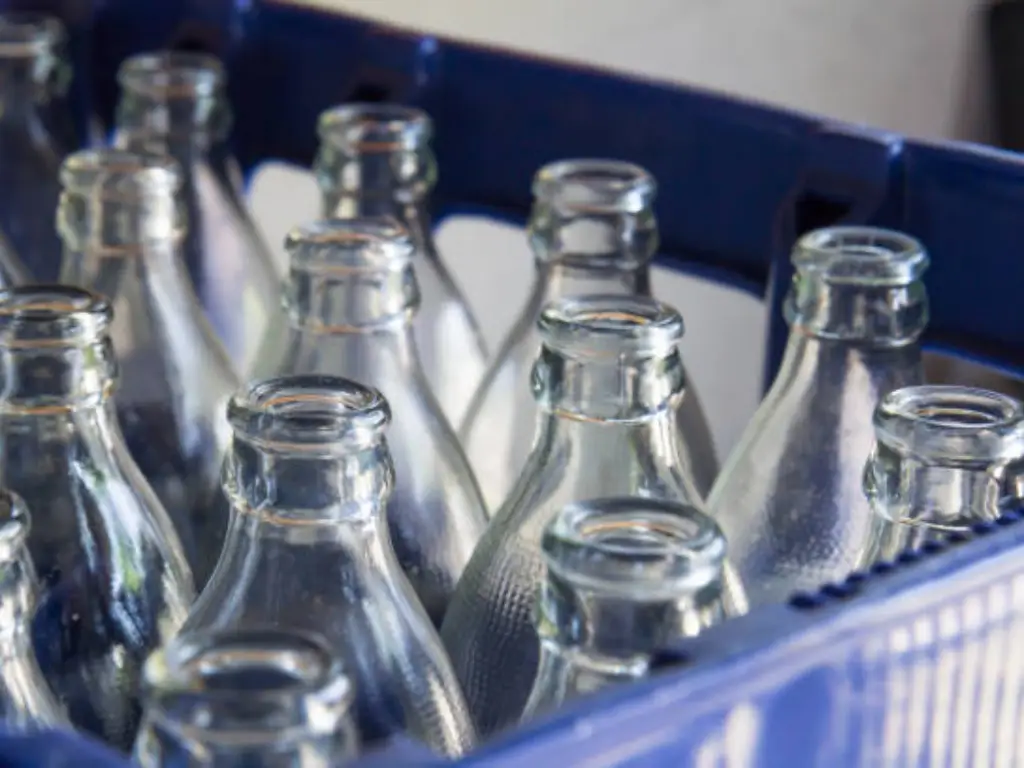
Glas ist der ultimative Maßstab für Chemikaliensicherheit und hochwertige Markenpositionierung, aber es muss logistisch gehandhabt werden, um seiner physischen Masse zu begegnen.
| Vorteil (Profis) | Nachteil (Cons) |
| Absolute chemische Inertheit: Es besteht kein Risiko, dass schädliche Chemikalien in das Produkt gelangen, so dass exakte Formulierungen und eine lange Haltbarkeit gewährleistet sind. | Hoher anfänglicher Kohlenstoff-Fußabdruck: Die Herstellung von Glas erfordert extreme Hitze und Erdgas, was zu einem höheren anfänglichen Kohlenstoffausstoß führt. |
| Endlos wiederverwertbar: Bietet einen 100%-Recyclingprozess in einem geschlossenen Kreislauf. Es kann ohne Qualitätsverlust wiederholt recycelt werden. | Erhöhte Transportkosten: Das hohe physische Gewicht erhöht unmittelbar die Kosten für die Transportlogistik und den Kraftstoffverbrauch. |
| Premium-Markenwahrnehmung: Das haptische Gewicht und die visuelle Klarheit vermitteln sofort Luxus und rechtfertigen einen höheren Einzelhandelspreis. | Zerbrechlichkeit: Erfordert eine robuste, spezielle Sekundärverpackung (z. B. Trennwände aus Wellpappe), um Transportschäden zu vermeiden. |
| Hohe thermische Beständigkeit: Hält den hohen Temperaturen stand, die für die kommerzielle Sterilisation erforderlich sind, ohne dass die Struktur beeinträchtigt wird. | Strenge Fertigungstoleranzen: Langsamere Produktionsgeschwindigkeiten und größere Maßtoleranzen im Vergleich zu spritzgegossenen Materialien. |
Kunststoffverpackungen: Vor- und Nachteile
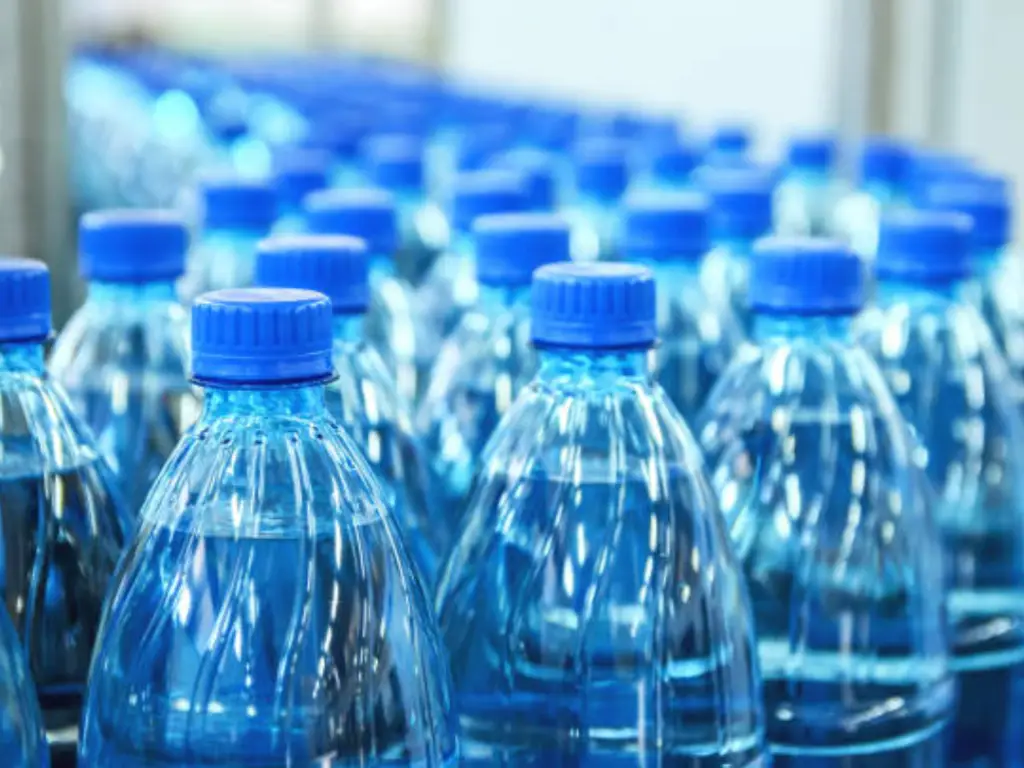
Kunststoff bietet eine unübertroffene logistische Effizienz und Langlebigkeit für den Vertrieb großer Mengen, birgt jedoch erhebliche Risiken hinsichtlich der chemischen Stabilität und der langfristigen Umweltauswirkungen.
| Vorteil (Profis) | Nachteil (Cons) |
| Äußerst geringes Gewicht: Das Gewicht ist deutlich geringer als das von Glas, wodurch weniger Energie für den Transport benötigt wird und die Margen in der Lieferkette maximiert werden. | Risiken der chemischen Auslaugung: Anfällig für die Destabilisierung von Polymeren und das Auslaugen schädlicher Substanzen, wenn sie hohen Temperaturen ausgesetzt sind. |
| Hohe Stoßfestigkeit: Die bruchsichere Haltbarkeit gewährleistet eine einfache Handhabung auf automatischen Abfüllanlagen und minimale Produktverluste beim Versand. | Endlicher Lebenszyklus (Downcycling): Kann nicht endlos recycelt werden. Die Polymerketten werden schwächer, was unweigerlich zu minderwertigem Kunststoffabfall führt. |
| Geringerer anfänglicher Energieaufwand: Der Ausgangsschmelzpunkt von Kunststoff ist niedrig, so dass während des Formprozesses weniger Anfangsenergie benötigt wird. | Schlechte Gasbarriereeigenschaften: Bestimmte Kunststoffarten sind porös für Sauerstoff, was die Haltbarkeit reaktiver oder empfindlicher Flüssigkeitsformulierungen verringert. |
| Flexible Formgebungsfähigkeiten: Einfache Herstellung komplexer, funktioneller Formen, einschließlich integrierter Griffe oder ergonomischer Fingerabdrücke. | Geringere Qualitätswahrnehmung: Die Verbraucher assoziieren Kunststoffbehälter von Natur aus eher mit Massenware, die billig ist, als mit hochwertigen Produkten. |
Industrielle Anwendungen: Wo die Wahl des Materials am meisten zählt
Die Auswahl des am besten geeigneten Materials richtet sich nach der Art des Produkts, der chemischen Reaktivität und der Umgebung, in der das Produkt verwendet werden soll. Für den Endverbraucher wirkt sich die Entscheidung auf die Gesundheit und das sensorische Erlebnis aus; für den Markeninhaber hat sie Auswirkungen auf die Haltbarkeit des Produkts und seine Positionierung auf dem Markt.
1. Lebensmittel und Getränke: Frische vs. Tragbarkeit
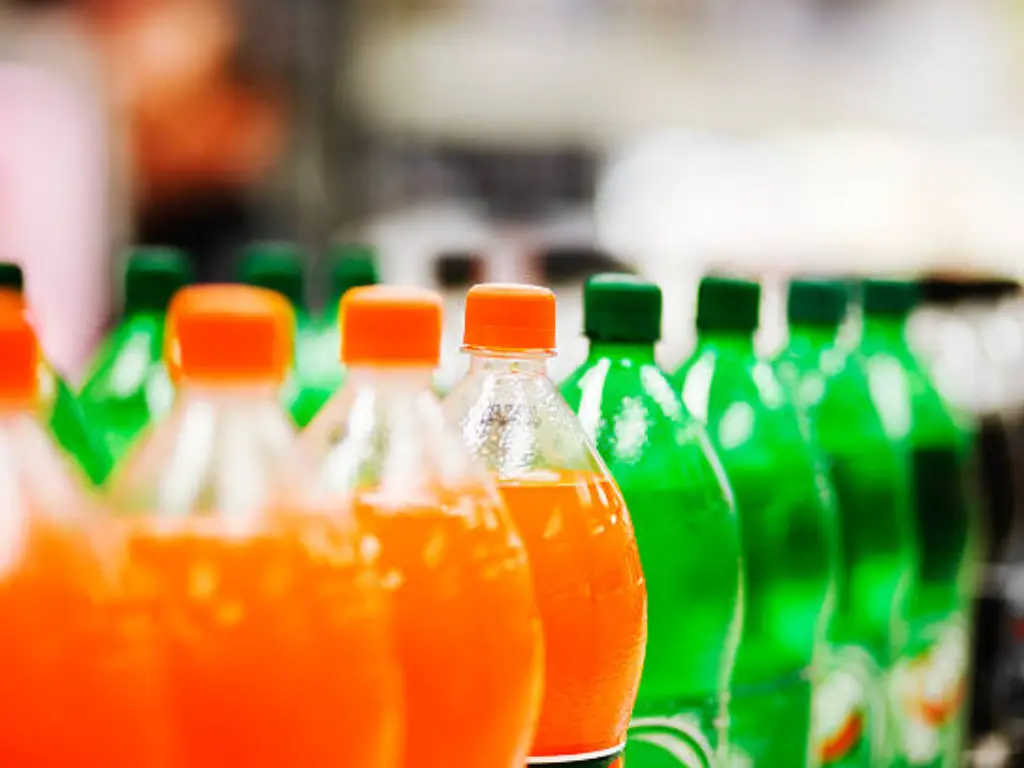
Polyethylenterephthalat (PET) ist das Material der Wahl für Wasserflaschen und Erfrischungsgetränke in großen Mengen, da es leicht ist und bei körperlicher Anstrengung nicht bricht. Bei hochwertigen Lebensmitteln wie kaltgepressten Bio-Säften, handwerklich hergestellten Soßen und Milchprodukten ist Glas jedoch besser geeignet. Glas beseitigt den Plastikgeschmack der Gasdurchlässigkeit und kann heiß abgefüllt werden, ohne dass die Gefahr besteht, dass der Behälter giftige Stoffe auslaugt.
2. Parfüm und Wohlgeruch: Bewahrung der olfaktorischen Integrität
Glas ist in der Parfümindustrie eine zwingende Voraussetzung. Der in Parfüms enthaltene Alkohol ist so hoch, dass er die meisten Kunststoffe zersetzen kann, was dazu führt, dass die flüchtigen Kopfnoten verdampfen und chemische Reaktionen das Duftprofil verändern. Für den Verbraucher drückt sich der Wert einer Luxusmarke physisch in einem schweren, hochtransparenten Glasflakon aus.
3. Hautpflege und Kosmetika: Schützende Wirkstoffformeln
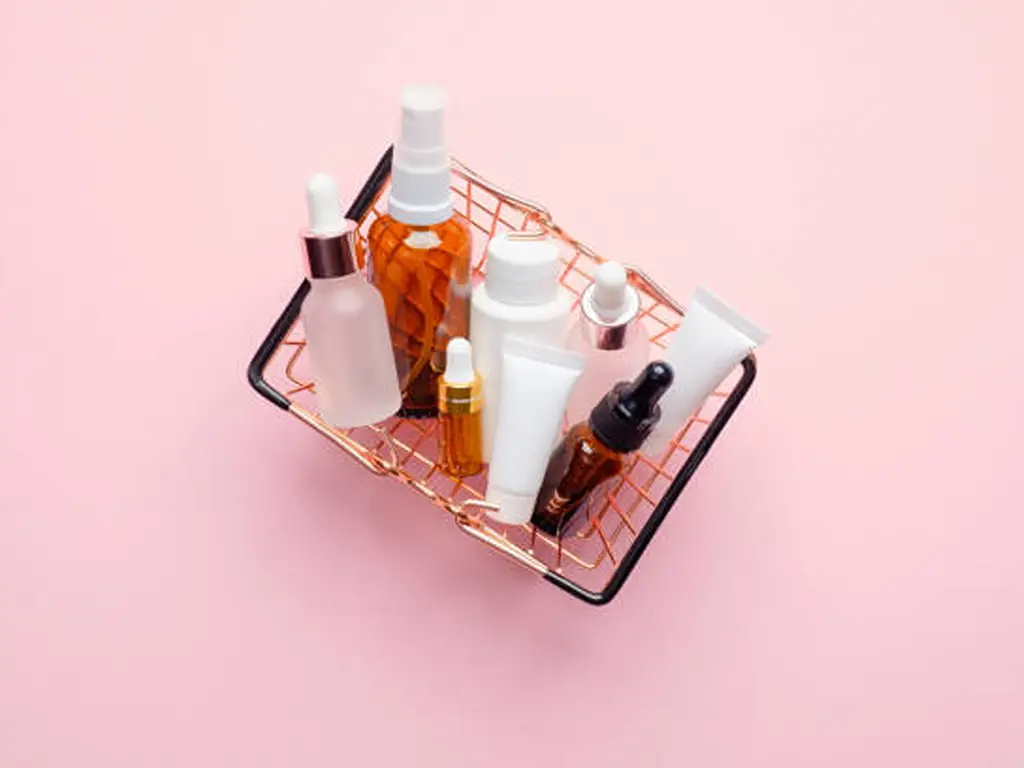
In der modernen Hautpflege werden in der Regel hochkonzentrierte Seren, Vitamin C und ätherische Öle verwendet, die extrem empfindlich auf UV-Licht und Sauerstoff reagieren. Glas (Braunglas oder Violettglas) bietet eine bessere Barriere, die dazu beiträgt, diese empfindlichen Inhaltsstoffe zu schützen. Obwohl Produkte für den Massenmarkt in Kunststoffbehältern verpackt werden, werden hochwertige Marken in Glas verpackt, um die Wirksamkeit der Produkte zu gewährleisten und das Vertrauen der Verbraucher zu stärken.
4. Spirituosen und Liköre: Jahrzehnte der Reinheit
Glasbehälter sind die einzige Möglichkeit zur langfristigen Lagerung von hochprozentigen Spirituosen. Im Gegensatz zu Kunststoff, in den mit der Zeit Sauerstoff eindringen kann, garantiert Glas, dass die Spirituosen über Jahrzehnte hinweg gelagert werden können, ohne dass sie geschmacklich beeinträchtigt werden. Dies garantiert, dass das ursprüngliche Profil des Brenners bis zum Zeitpunkt des Konsums nicht verloren geht.
5. Pharmazie und Gesundheitswesen: Absolute Sicherheit
Der pharmazeutische Sektor setzt auf Glas wegen seiner hohen Widerstandsfähigkeit gegen Temperaturschocks und chemische Angriffe. Obwohl einige Arten von Kunststoffen für trockene Pillen verwendet werden, werden flüssige Medikamente und injizierbare Impfstoffe fast immer in medizinischem Glas aufbewahrt, um jeden Kontakt zwischen dem Behälter und der lebensrettenden Formel zu vermeiden.
6. Babyprodukte: Der Sicherheitsimperativ
Im Falle des am meisten gefährdeten Segments der menschlichen Gesundheit ist die Wiederbelebung von Babyflaschen aus Glas durch die Angst der Eltern vor Mikroplastik und Bisphenol A aufgrund möglicher gesundheitlicher Bedenken und damit verbundener Gesundheitsrisiken begründet. Babyflaschen aus Kunststoff sind zwar praktisch, aber Glas ist porenfrei und kann mit einer Flaschenbürste und warmem Wasser ohne Kratzer wiederverwendet werden. Dadurch wird sichergestellt, dass Bakterien in den Mikrokratzern, die in minderwertigen Plastikflaschen vorhanden sind, nicht überleben können.
7. Industrie- und Massengutchemikalien: Spezialisierte Lösungen
Bei aggressiven Industriechemikalien sollten Markenhersteller hochdichte Kunststoffprodukte und moderne Metallverpackungen wie verzinnten Stahl (TPS) in Betracht ziehen. Obwohl Kunststoff für die kostengünstige Lagerung von Massengütern verwendet werden kann, können Metall und Glas erforderlich sein, wenn absolute Lichtundurchlässigkeit und keine chemische Durchlässigkeit erforderlich sind.
Gesundheit und Sicherheit: Sind Ihre Flüssigkeiten wirklich geschützt?
Das Hauptproblem bei Verpackungen ist die Verträglichkeit mit Chemikalien: Der Behälter sollte seinen Inhalt nicht verändern. Bei Kunststoffprodukten sollten Hersteller und Verbraucher die Gefahr des Auslaugens von Chemikalien bedenken, insbesondere wenn das Produkt über einen langen Zeitraum aufbewahrt wird. Polymerketten können durch hohe Temperaturen destabilisiert werden, wie sie in nicht klimatisierten Versandcontainern oder an heißen Stellen in Lagerhäusern herrschen, und giftige Substanzen wie Bisphenol A (BPA) oder andere endokrin wirksame Stoffe in die Flüssigkeit abgeben. Diese Gefahr macht Kunststoffbehälter zu einer Belastung für empfindliche Rezepturen, einschließlich hochprozentigem Alkohol, ätherischen Ölen oder aktiven Hautpflegestoffen, bei denen die chemische Reinheit nicht verhandelbar ist.
Andererseits ist der größte Vorteil von Glas, dass es chemisch völlig inert ist. Eine Glasflasche ist ein nicht poröser und natürlicher Stoff, was bedeutet, dass sie nicht mit säurehaltigen Flüssigkeiten und Alkoholen interagiert, so dass die genaue Formulierung und die Wirksamkeit des Produkts zwischen der Herstellungs- und der Verbrauchsphase nicht verloren gehen. Obwohl Glas von Natur aus rein ist, müssen die Hersteller bedenken, dass die Daten aus dem Jahr 2025 zeigen, wie wichtig die Qualität der Verschlüsse ist; die Mikroreibung der inneren Metallkappen kann Verunreinigungen einbringen. Daher ist die Kombination von hochwertigen Glasverpackungen und den neuesten luftdurchlässigen Verschlusssystemen der beste Weg, um die absolute Unversehrtheit des Produkts zu gewährleisten und die menschliche Gesundheit zu schützen.
Auswirkungen auf die Umwelt: Die Realität der langfristigen Nachhaltigkeit
Nachhaltigkeit ist nicht länger eine Nischenlösung, sondern eine internationale Forderung des Einzelhandels und der Haushalte. Obwohl die Herstellung von Glas wegen seines hohen Schmelzpunkts mehr Energie in Form von fossilen Brennstoffen verbraucht, sind die Vorteile von Glasprodukten im Lebenszyklus viel größer als die von Kunststoffprodukten.
Für den umweltbewussten Verbraucher ist Glas eine zu 100 Prozent wiederverwertbare Lösung ohne Qualitätseinbußen. Die Kunststoffproduktion hingegen ist eine Quelle für einen Downcycling-Kreislauf, in dem das Material als minderwertiger Abfall und Plastikverschmutzung endet. Für die Marken erfüllt Glas die ESG-Anforderungen (Umwelt-, Sozial- und Governance-Anforderungen); den Verbrauchern gibt es die Gewissheit, dass ihr Kauf nicht zur Mikroplastikkrise in unseren Ozeanen und Böden beiträgt.
Langlebigkeit vs. Erfahrung: Logistik und täglicher Gebrauch
Die Materialphysik ist ein wichtiger Faktor für die Wirtschaftlichkeit Ihrer Lieferkette und für die tägliche Erfahrung des Verbrauchers. Polyethylenterephthalat (PET) und Polyethylen hoher Dichte (HDPE) werden aufgrund ihrer hohen Schlagfestigkeit und ihres geringen Gewichts, das die Transportkosten reduziert, bevorzugt. Für den Verbraucher ist dies eine Flasche, die er bequem tragen kann, wenn er körperlich aktiv ist oder reist. Merkmale wie ergonomische Fingerformen und griffige Oberflächen sind bei Kunststoffen leichter zu realisieren.
Die Bequemlichkeit von Kunststoff geht jedoch mit einem Kompromiss bei der sensorischen Qualität einher. Glas ist dicht und spröde und benötigt eine starke Umverpackung, fühlt sich aber kalt an und ist deutlich sichtbar, was bei Kunststoff nicht der Fall ist. In dem Moment, in dem ein Verbraucher eine schwere Glasflasche in der Hand hält, empfindet er ein höheres Maß an Luxus und Beständigkeit. Wenn Sie ein hochwertiges Erlebnis bieten wollen, das einen höheren Verkaufspreis rechtfertigt, ist die physische Masse von Glas eine Investition in das Vertrauen der Verbraucher, die erforderlich ist.
Präzision in der Fertigung: Der Daxin-Vorteil
Die Umstellung auf Glas erfordert einen Partner, der sowohl die technischen als auch die ästhetischen Anforderungen des Marktes kennt. Mit dem Schmelzpunkt von Kunststoff können verschiedene Formgebungsverfahren angewandt werden, während die Glastechnik ein höheres Maß an Genauigkeit in Bezug auf Toleranzen und Verschließmoment erfordert, um Mikrobrüche zu vermeiden.
Unter Daxin Glasflaschen (https://www.daxinglassbottles.com/) schließen wir die Lücke zwischen den Kapazitäten der Industrie und den Bedürfnissen der Verbraucher. Wir sind die Experten für kundenspezifisch geformtes Glas in den Bereichen Parfüm, Hautpflege und Spirituosen und garantieren, dass Ihre Verpackung den strukturellen Anforderungen von Hochgeschwindigkeitsabfüllanlagen entspricht und das "Premium-Gefühl" vermittelt, das die Verbraucher in der modernen Welt suchen.
Schlussfolgerung
| Publikum | Wählen Sie Kunststoff, wenn... | Wählen Sie Glas, wenn... |
| Für den Verbraucher | Sie legen Wert auf tägliche Tragbarkeit, Fitness oder Umgebungen, in denen Bruch ein Sicherheitsrisiko darstellt. (Stellen Sie sicher, dass Sie BPA-freie Kunststoffprodukte wählen). | Sie legen Wert auf Säuglingsnahrung, die Aufbewahrung von Lebensmitteln zu Hause oder chemiefreie Reinheit. Es ist der goldene Standard zur Vermeidung von Mikroplastik und zur Gewährleistung des reinsten Geschmacks. |
| Für den Markeneigentümer | Ihr Modell basiert auf dem Vertrieb großer Mengen mit geringen Gewinnspannen, bei dem bruchsichere Haltbarkeit und niedrige Transportkosten entscheidend sind. | Sie bauen eine margenstarke Markenidentität auf, die absolute chemische Kompatibilität und eine hochwertige, nachhaltige Marktposition erfordert. |
| Bester Anwendungsfall | Outdoor-Sport, Reisen, FMCG für den Massenmarkt und preisbewusste Haushaltsvorräte. | Parfüm, hochwertige Spirituosen, fortschrittliche Hautpflegeprodukte und langfristige Lebensmittelkonservierung. |
Bei der Entscheidung für Kunststoff oder Glas geht es nicht darum, ein ideales Material zu finden, sondern um eine Berechnung der Kosten, der Sicherheit und des Markenimages. Für den einzelnen Verbraucher geht es um die Gesundheit der Familie und die Umwelt.
Der Wechsel zwischen strategischer Planung und physischer Produktion erfordert einen Produktionspartner, der sich dieser Feinheiten bewusst ist. In Branchen, in denen viel auf dem Spiel steht, wie z. B. in der Parfümindustrie oder bei hochwertigen Spirituosen, ist die Genauigkeit des Behälters ebenso wichtig wie die Formel selbst. Daxin Glass Bottles (https://www.daxinglassbottles.com) überbrückt die Kluft zwischen dem industriellen Potenzial und der Marktnachfrage, indem es das technische Fachwissen zur Verfügung stellt, um Ihre strategischen Anforderungen in eine leistungsstarke Verpackung umzusetzen. Setzen Sie sich jetzt mit unserem B2B-Designteam in Verbindung, um die Perfektion der Verpackung zu erreichen, die Ihre Marke braucht.
Häufig gestellte Fragen (FAQ)
1. Welches der beiden Materialien, Glas oder Kunststoff, ist umweltfreundlicher?
Sie basiert auf der Lebenszyklusphase. Kunststoff verbraucht in der Anfangsphase weniger Energie und reduziert die Emissionen des Transports, wird aber unweigerlich zu irreversiblem Abfall. Glas hat zu Beginn einen größeren Kohlenstoff-Fußabdruck, aber es ist 100% unendlich oft recycelbar, was eine echte Kreislauflösung für die langfristige Einhaltung der ESG darstellt.
2. Sind BPA-freie Plastikflaschen für die langfristige Lagerung von Flüssigkeiten geeignet?
Nein. Obwohl sie BPA loswerden, sind die aktuellen Kunststoffe anfällig für eine Destabilisierung des Polymers. Andere Chemikalien können immer noch in die Flüssigkeit übergehen, wenn sie über einen längeren Zeitraum hohen Temperaturen ausgesetzt werden. Glas ist der einzige unanfechtbare Standard für absolute chemische Inertheit und keine Migration.
3. Warum werden Premiummarken trotz der höheren Versandkosten in Glas verschickt?
Zwei: chemische Konservierung und wahrgenommener Wert. Glas schirmt reaktive Formeln gegen Sauerstoff und UV-Zerstörung ab. Das Gewicht und die Klarheit von Glas vermitteln sofort die Botschaft von Luxus, was es der Marke ermöglicht, einen hohen Einzelhandelspreis zu verlangen, der die höheren Logistikkosten leicht decken kann.

 English
  Spanish
  French
  German
  Arabic
  Italian
  Dutch
Dutch  Portuguese
  Russian
  Korean
  Japanese