
Die Anatomie der Standardmaße einer Whiskyflasche
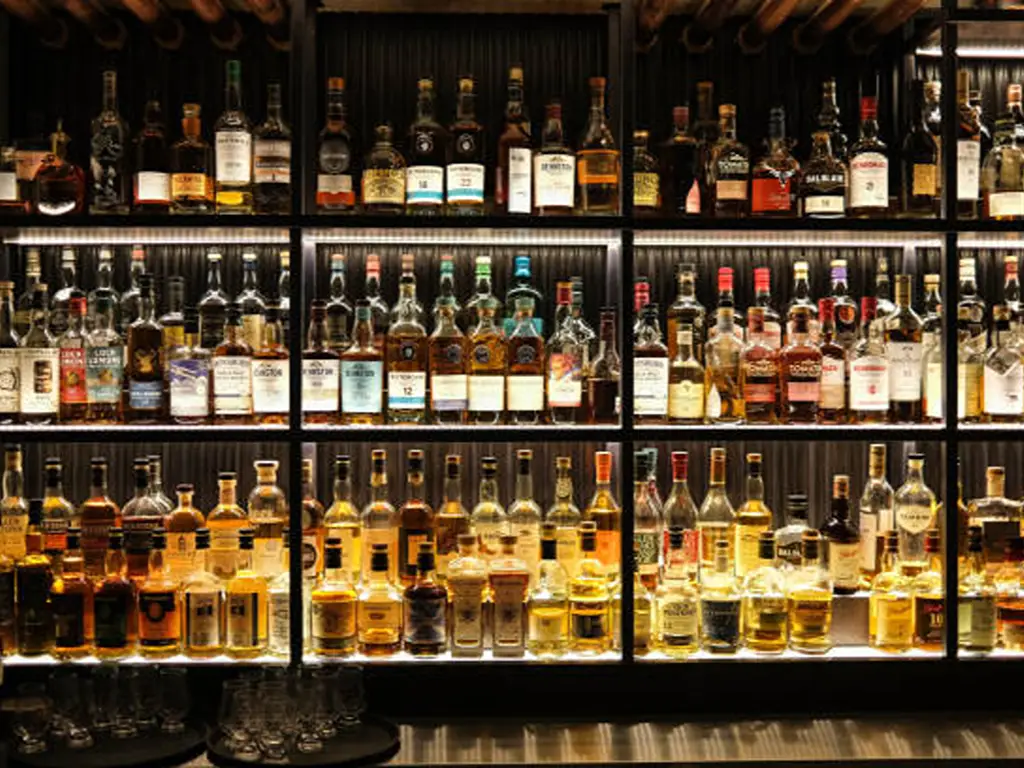
Wenn Verbraucher eine Whiskyflasche in einem hell beleuchteten Verkaufsregal betrachten, sehen sie ein schönes Gefäß, das eine hochwertige Spirituose enthält. Sie nehmen die Textur des Etiketts, die Farbe der Flüssigkeit und die Eleganz der Silhouette wahr. Wenn jedoch ein Getränkechef, ein Supply-Chain-Manager oder ein Markeninhaber genau diese Flasche betrachtet, muss er etwas ganz anderes sehen: einen streng regulierten, mathematisch konstruierten Mikro-Tresor. Die Abmessungen, Rundungen, die Glasverteilung und das Fassungsvermögen kommerzieller Spirituosenflaschen sind keine willkürlichen ästhetischen Entscheidungen, die Grafikdesigner im luftleeren Raum treffen. Vielmehr sind sie das strenge Ergebnis jahrhundertelanger Messtechnik, strenger internationaler Steuergesetze und unerbittlicher industrieller Verpackungsstandards.
Um sich in der Branche für Whiskyglasverpackungen wirklich zurechtzufinden und profitable B2B-Beschaffungsentscheidungen zu treffen, die Ihre Gesamtbetriebskosten (TCO) sichern, müssen wir zunächst zwei entscheidende technische Begriffe voneinander abgrenzen und definieren, die die globalen Parameter der Glasherstellung bestimmen: Nennkapazität und Füllkapazität bis zum Rand.
- Nennkapazität: Dies ist die gesetzlich vorgeschriebene Flüssigkeitsmenge, die auf dem Vorderetiquette angegeben ist (z. B. 700 ml oder 750 ml). Sie entspricht der genauen, rechtsverbindlichen Menge an Spirituosen, für die der Verbraucher bezahlt, und dient als strenge Bemessungsgrundlage für die Berechnung der staatlichen Verbrauchsteuern.
- Füllmenge bis zum Rand: Dies ist das maximale Gesamtvolumen des Glasbehälters, wenn dieser bis zur absoluten Oberkante (dem Rand) des Flaschenhalses gefüllt wäre, kurz bevor er überläuft. Bei einer handelsüblichen 700-ml-Whiskyflasche wird das Fassungsvermögen bis zum Rand von den Glasherstellern in der Regel so ausgelegt, dass es genau zwischen 725 ml und 735 ml, abhängig von der jeweiligen Geometrie des Flaschenhalses und der Art des Verschlusses (z. B. Bartop-Korken vs. GPI-Gewinde).
Warum besteht diese erhebliche Volumenabweichung? Der genaue Unterschied zwischen Nenn- und Randfüllmenge wird in der Verpackungs- und Abfüllindustrie als Kopfraum (oder „Ullage“). Destillierte Spirituosen wie Bourbon, Single Malt Scotch und Rye weisen einen hohen Ethanolgehalt auf (in der Regel 40% ABV oder mehr), der sich je nach Wärmeausdehnungskoeffizient erheblich ausdehnt und zusammenzieht. Eine gezielte 25–35 ml Sicherheitspuffer Der Freiraum ist eine unverzichtbare physikalische Voraussetzung. Wäre eine Glasflasche theoretisch bis zum absoluten Rand gefüllt und hätte nur 15 ml oder weniger Freiraum, würde die thermische Ausdehnung in einem heißen, unbelüfteten Seefrachtcontainer – in dem die Umgebungstemperaturen leicht 40–50 °C überschreiten – einen immensen hydraulischen Druck erzeugen. Diese innere Kraft würde unweigerlich dazu führen, dass der Korken herausspringt oder der Aluminiumverschluss zerbricht, was katastrophale Leckagen, beschädigte Kartons und zurückgewiesene Sendungen zur Folge hätte.
Umgekehrt führt ein zu großer Kopfraum dazu, dass überschüssiger Sauerstoff in die versiegelte Verpackung gelangt, was eine beschleunigte Oxidation, einen Geschmacksverlust und ein für den Verbraucher unattraktives Erscheinungsbild einer “unterfüllten” Verpackung zur Folge haben kann. Daher wird jeder einzelne Millimeter des Innenraums mit wissenschaftlicher Präzision mithilfe modernster CAD-Software vermessen, um das perfekte Gleichgewicht zwischen logistischer Sicherheit und optischer Attraktivität zu erreichen.
Von Miniaturen bis zu Griffen: Die vollständige Matrix für Größe und Palettenausbeute
Bevor wir uns mit den komplexen rechtlichen Unterschieden zwischen den Märkten der Vereinigten Staaten und Europas befassen, ist es unerlässlich, sich einen Überblick über die globale Lage zu verschaffen. Das Spektrum der Whiskyflaschengrößen ist enorm und reicht von winzigen Verkostungsproben für Fluggesellschaften bis hin zu riesigen Großgebinden für Großhandelsclubs. Für B2B-Einkaufs- und Lieferkettenleiter ist die bloße Ermittlung der Menge jedoch nur die Grundlage. Der eigentliche Maßstab, der Kaufentscheidungen bestimmt, die Wirtschaftlichkeit des Transports vorgibt und sich direkt auf die Gewinnmargen auswirkt, ist der Palettenausbeute—wie effizient sich diese bestimmten Glasformen auf einer Standard-Transportpalette stapeln und verstauen lassen, ohne die strengen Gewichts- oder Höhenbeschränkungen zu überschreiten.
Nachstehend finden Sie die maßgebliche B2B-Beschaffungsmatrix, in der gängige Standardgrößen vollständig ihren weltweiten kommerziellen Anwendungsfällen sowie ihrer geschätzten Frachteffizienz für die Standard-Exportlogistik zugeordnet sind.
| Allgemeiner Name | Band | Unzen (ca.) | Wichtigster kommerzieller Anwendungsfall und strategische Eignung | Geschätzte Standardkisten pro Palette (1000 × 1200 mm) |
|---|---|---|---|---|
| Miniatur / Nip | 50ml | 1,7 Unzen | Getränkeservice in Flugzeugen, Minibars in Hotels, Verkostungssets zu Werbezwecken. | Über 300 Kartons (120 Einheiten pro Karton) |
| Halber Schluck | 200 ml | 6,8 Unzen | Tagesgeschäft, Verkostungen bei Veranstaltungen, leicht zugängliche Kontaktpunkte. | Über 200 Kartons (24 Einheiten/Karton) |
| Pint/Split | 375ml | 12,7 Unzen | Hochwertige Geschenksets, gehobener Boutique-Einzelhandel, Spontankäufe. | 120 – 150 Kartons (12 Einheiten/Karton) |
| Ein halber Liter (Premium) | 500 ml | 16,9 oz | Hochwertige asiatische Märkte, seltene Single Casks und unabhängige Abfüllungen. | 120 – 130 Kartons (6 Einheiten/Karton) |
| Standard (EU/weltweit) | 700 ml | 23,7 Unzen | Der Standard für die Abfüllung von Scotch, irischem Whiskey, Cognac und „ROW“ im Einzelhandel. | 85 – 100 Kartons (6 Einheiten/Karton) |
| Standard (USA / The Fifth) | 750ml | 25,4 Unzen | Der historisch festgelegte Standard für Bourbon und den Einzelhandel in den USA. | 75 – 90 Kartons (6 Einheiten/Karton) |
| Liter | Ein Liter | 33,8 Unzen | Zollfreier Reiseeinzelhandel, gewerbliche Barausstattungen, Gastronomie mit hohem Gästeaufkommen. | 55–65 Kartons (6 Einheiten/Karton) |
| Einkaufen | Eine und dreiviertel Liter | 59,2 Unzen | Großflächen-Club-Einzelhandel (Costco, Sam’s Club), mengenorientierter Konsum. | 35–45 Kartons (6 Einheiten pro Karton) |
Wie die Grafik verdeutlicht, führt der Wechsel von einer Standardflasche mit 750 ml Fassungsvermögen zu einer 1,75-Liter-Flasche mit Griff dazu, dass deutlich weniger Kartons auf einer einzelnen Palette Platz finden. Dieser starke Rückgang der Palettenauslastung hat tiefgreifende und unmittelbare Auswirkungen auf die Wirtschaftlichkeit internationaler Vollcontainertransporte (FCL).
Die transatlantische Kluft zwischen 700 ml und 750 ml
Die häufigste Frage, die neue Brennereibesitzer, unabhängige Abfüller und Getränkeexporteure stellen, die weltweit expandieren möchten, lautet: Warum gibt es zwei völlig unterschiedliche Standardgrößen für genau dieselbe Kategorie von Premium-Spirituosen? Die Antwort liegt weder in willkürlichen Verbraucherpräferenzen begründet, noch handelt es sich um einen Marketing-Trick. Vielmehr ist sie auf einen jahrzehntelangen, tief verwurzelten rechtlichen Konflikt zwischen den Regierungsbehörden der Vereinigten Staaten und der Europäischen Union zurückzuführen.
Die Vorschriften der US-Behörde TTB und die 750-ml-Tradition
In den Vereinigten Staaten ist die 750-ml-Flasche der absolute Marktführer. Ihre historischen Wurzeln reichen bis in die Zeit vor der Einführung des metrischen Systems zurück, als amerikanischer Alkohol in Bruchteilen einer US-Gallone verkauft und besteuert wurde. Als die US-Regierung Ende der 1970er Jahre eine bundesweite Umstellung auf das metrische System einleitete, standardisierte das Alcohol and Tobacco Tax and Trade Bureau (TTB) das veraltete Maß “Fifth” auf ein klares, metrisches Volumen von 750 ml und legte dieses Volumen offiziell als Füllstandard fest. Heute ist das gesamte US-amerikanische Gastronomie- und Einzelhandelsökosystem ausschließlich auf 750-ml-Flaschen ausgerichtet, von den „Speed Rails“ in Bars bis hin zu volumetrisch kalibrierten Ausgießern aus Edelstahl.
EU-Richtlinien und die versteckte Verbrauchsteuerfalle
Auf der anderen Seite des Atlantiks hat die Europäische Union Richtlinien zur Harmonisierung des Binnenmarktes eingeführt und dabei 700 ml als optimale Standardfüllmenge festgeschrieben. Eine häufig gestellte Frage von US-Markeninhabern lautet: Warum sollten europäische Spirituosenhersteller nicht einfach einseitig auf 750-ml-Flaschen umsteigen, um mehr Alkohol zu verkaufen? Die Antwort ist ein gnadenloses Phänomen, das als Die Verbrauchsteuerfalle.
Im Vereinigten Königreich und weitgehend in ganz Europa werden Spirituosen ausschließlich nach ihrem absoluten Alkoholgehalt besteuert. Nehmen wir einen handelsüblichen Whisky mit 40% Alkoholgehalt als Beispiel. Eine 750-ml-Flasche enthält 0,30 Liter reinen Alkohol, während eine 700-ml-Flasche 0,28 Liter enthält. Das bedeutet, dass eine 750-ml-Flasche im Vergleich zu einer 700-ml-Flasche von Natur aus mit einem steuerlichen Nachteil behaftet ist. Zusammen mit der Mehrwertsteuer und den Handelsaufschlägen wird der Endpreis im Regal künstlich in die Höhe getrieben, wodurch Marken vollständig aus den wettbewerbsfähigen Impulspreisklassen verdrängt werden. Somit haben makroökonomische Faktoren und das Steuerrecht dazu geführt, dass sich die 700-ml-Flasche außerhalb der USA absolut durchgesetzt hat.
Die Änderung der TTB-Vorschriften im Jahr 2020 und die Kennzeichnung zur Einhaltung der Vorschriften
Im Dezember 2020 lockerte die US-Behörde TTB offiziell ihre Vorschriften und erlaubte damit rechtlich den Import und Verkauf von 700-ml-Spirituosen innerhalb der Vereinigten Staaten. Diese Änderung der Vorschriften ermöglichte den „heiligen Gral“ des Lieferkettenmanagements: SKU-Zusammenführung. Marken können nun eine einzige Charge produzieren, bei der für beide Kontinente ausschließlich 700-ml-Glasflaschen verwendet werden. Der Prozess der konformitätsgerechten Etikettierung bleibt jedoch klar getrennt:
- 700-ml-Paletten für den Versand in die USA: Der Gesundheitshinweis des Surgeon General muss in einer ganz bestimmten Schriftart dargestellt werden (mindestens 2 mm Schriftgröße, maximal 3 Zeichen pro Zoll). Der Alkoholgehalt muss als Volumenprozent angegeben werden (z. B. “40% ALC./VOL.”).
- 700-ml-Paletten für den Versand in die EU bzw. nach Großbritannien: Das e-Zeichen (℮) muss gut sichtbar und genau 3 Millimeter hoch sein. Der Alkoholgehalt ist ausschließlich als Prozentangabe anzugeben, gefolgt vom Symbol ‘vol’ (z. B. “40% vol”). Die amerikanische Bezeichnung “Proof” wird überhaupt nicht anerkannt.
Wirtschaftlichkeit der Lieferkette: Abwägungsgrenzen und strukturelle Schwachstellen
Während Kreativagenturen sich intensiv mit Silhouetten und Etikettenpapier beschäftigen, müssen sich Betriebsleiter intensiv mit der physikalischen Masse, der thermodynamischen Stabilität und der strukturellen Integrität auseinandersetzen. Eine hochwertige Glasflasche ist ein entscheidender Faktor bei der Fracht, der die Gewinnmargen vollständig auffressen kann, noch bevor das Produkt überhaupt in die Regale der Einzelhandelsgeschäfte gelangt.
Die Gefahr des “Weigh-Out” in der globalen Seefracht
Viele Premium-Whisky-Marken legen Wert darauf, Glasflaschen mit “Heavy-Base”-Boden (dickem Boden) zu verwenden, um einen Hauch von Luxus zu vermitteln. Während eine Standardflasche mit 750 ml Fassungsvermögen leer zwischen 450 g und 500 g wiegt, können Ultra-Premium-Flaschen ein Gewicht von über 850 g erreichen. Diese Besessenheit löst eine verheerende Logistikkrise aus, die als Abwiegen.
Standard-Seefrachtcontainer unterliegen strengen internationalen Gewichtsbeschränkungen für den Straßenverkehr, die dem Schutz der Straßeninfrastruktur dienen. Wird ein Container mit 850 g schweren Flaschen befüllt, erreicht die Sendung die gesetzlich festgelegte maximale Nutzlast (oft 21.000 – 24.000 kg), lange bevor der Container physisch mit Paletten gefüllt ist. Verlader versenden letztendlich “Luft” und lassen den Container volumetrisch zu 15–20% leer, was die Gesamtkosten pro Flasche drastisch in die Höhe treibt.
Um dieses Problem zu lösen, nutzen erfahrene Glastechniker Technologie zur Gewichtsreduzierung von Bauteilen (Eco-Glass). Mithilfe einer CAD-Spannungssimulation reduzieren Ingenieure die Dicke verborgener innerer Seitenwände und gestalten die Flasche neu, wodurch das Leergewicht von 850 g auf äußerst effiziente 650 g gesenkt wird, während der äußere Eindruck von dickem, edlem Glas erhalten bleibt. Dadurch wird die Ladekapazität sofort wiederhergestellt, ohne das Ansehen der Marke zu beeinträchtigen.
Bekämpfung thermischer Schwachstellen und physischer Beschädigungen
Flaschen mit schwerem Boden weisen zudem während der Herstellung erhebliche thermische Schwachstellen auf. Da der Boden unglaublich dick ist, während die Seitenwände dünn sind, kühlt das Glas in der IS-Formmaschine (Individual Section) mit sehr unterschiedlichen Geschwindigkeiten ab. Wenn ein Werk den Temperierungsprozess (kontrollierte Abkühlung zum Abbau von Spannungen) überstürzt – der in gewöhnlichen Anlagen oft nur 40 Minuten dauert –, werden diese Flaschen zu tickenden Zeitbomben. Ein plötzlicher Temperaturabfall während des Seetransports kann zu spontanem Zerbrechen führen.
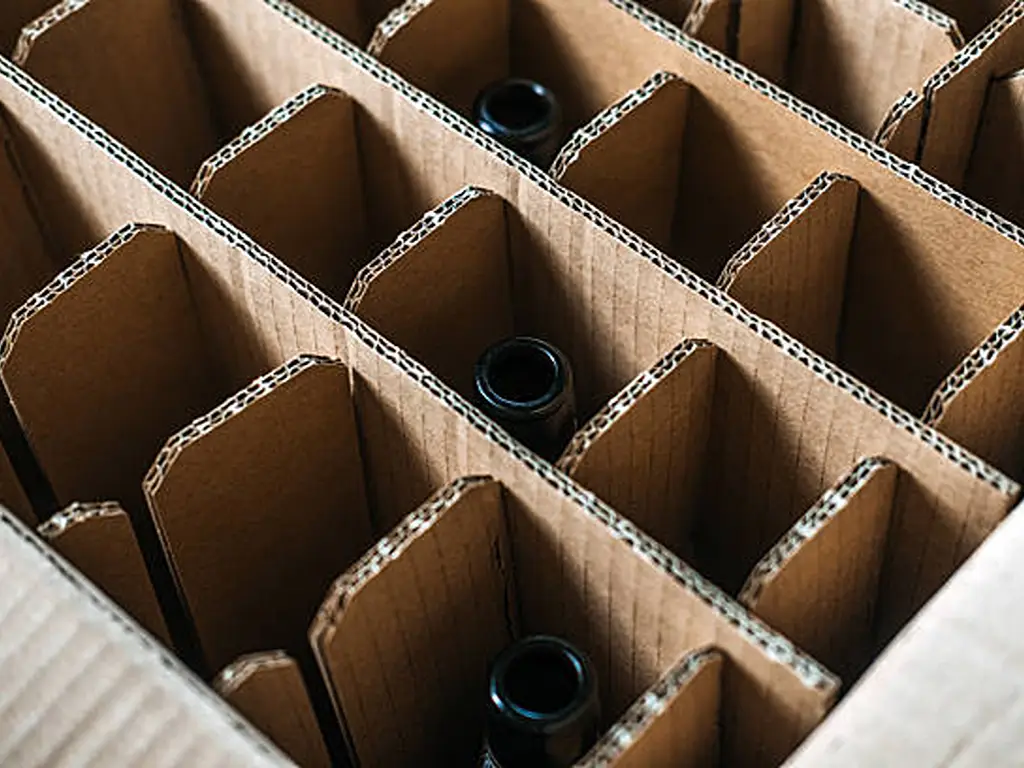
Um dieses Risiko auszuschließen, setzen führende Glashersteller kompromisslose Protokoll für das erweiterte Tempern. Anstelle von Schnellkühlkurven verlängern sie den Glühzyklus bei Konstruktionen mit dickem Boden auf sorgfältige 2 bis 2,5 Stunden. Die Flaschen werden bei einer präzisen Temperatur von 520 °C bis 560 °C gehalten, wodurch innere Spannungen neutralisiert werden und der dicke Boden mit den dünnen Wänden zu einer Einheit verschmelzen, was für maximale Schlagfestigkeit sorgt. In Kombination mit hochwertigen EPE-Schaumstoffeinlagen (expandierbares Polyethylen) und 5-lagigen, doppelt gewellten Kartons lassen sich die Bruchraten beim Seetransport auf nahezu null senken.
Psychologische Preisstrategien in Abhängigkeit vom Handelsvolumen
In der globalen Spirituosenbranche verhalten sich das physische Volumen und der wahrgenommene Wert nicht linear zueinander. Um eine Marke richtig zu positionieren, müssen Beschaffungs- und Marketingteams ihre Verpackungsgrößen umfassend mit bestimmten Konzepten der Verhaltensökonomie abgleichen und dabei unterschiedliche Volumina einsetzen, um bestimmte Kaufentscheidungen der Verbraucher anzuregen.
Die 700-ml-/750-ml-Basis: Festlegung des Preisankers
Die Standardflasche mit 700 ml (EU) bzw. 750 ml (US) bildet das Herzstück des Sortiments einer Brennerei. Ihre wichtigste psychologische Funktion ist Preisverankerung. Verbraucher haben ein intuitives Verständnis für die physischen Abmessungen einer Standardflasche im “Fünftel”-Format. Wenn eine Marke ihren Flaggschiff-Single-Malt mit 10 Jahren Reifezeit in einer 750-ml-Flasche zum Preis von $55 auf den Markt bringt, verankert sie damit erfolgreich den Basiswert der Marke im Bewusstsein der Verbraucher. Jede nachfolgende Markteinführung wird an diesem Anker gemessen. Durch die Verwendung einheitlicher Standardgrößen für Kernprodukte schaffen Marken eine vorhersehbare Einnahmequelle und positionieren sich fest in einer bestimmten Wettbewerbsstufe im Verkaufsregal (z. B. Standard, Premium oder Super-Premium).
Das 500-ml-Format: Knappheit und das Verhältnis von Glas- zu Flüssigkeitsgewicht
Umgekehrt gilt, dass die Flaschengröße: 500 ml ist ein strategischer Favorit für Exporte in den asiatischen Markt, seltene unabhängige Abfüllungen und streng limitierte Single-Cask-Editionen. Wenn ein Brennmeister nur eine seltene Ausbeute von 200 Flaschen erzielt, kann die Abfüllung in eine Standardflasche mit 750 ml dazu führen, dass das Produkt kommerziell eher gewöhnlich wirkt.
Stattdessen setzen kluge Marken auf eine 500-ml-Stout-Flasche im Dekanter-Stil mit einem auffallend dicken Glasboden. Der hier am Werk befindliche psychologische Mechanismus ist das “Gewichtsverhältnis von Glas zu Flüssigkeit”. Das menschliche Gehirn verbindet unbewusst physische Schwere und Dichte mit Premium-Qualität. Indem das Glasgewicht auf fast 800 g erhöht und gleichzeitig das Flüssigkeitsvolumen auf 500 ml reduziert wird, gleicht die Marke den “Verlust” an Flüssigkeit durch das haptische Luxusgefühl des Gefäßes selbst aus. So entsteht eine Aura von “flüssigem Gold” – was es der Brennerei ermöglicht, einen exorbitanten Preis pro Milliliter zu verlangen und die Bruttogewinnmarge aus einem begrenzten Fass zu maximieren.
Der 1,75-Liter-“Handle”: Kosten pro Unze und die Psychologie der Großverpackungsvolumina
Am anderen Ende des Spektrums steht das 1,75-Liter-Format, das umgangssprachlich als “Handle” bezeichnet wird, da das Glas über einen ergonomisch geformten Griff verfügt. Bei dieser Größe geht es ausschließlich um Absatzmengen und Marktanteile; sie dominiert vor allem in nordamerikanischen Großmärkten wie Costco, Sam’s Club und großen Spirituosen-Discountern.
Die Philosophie hinter dem 1,75-Liter-Motor ist Kosten pro Unze (CPO) – Wirtschaftlichkeit. Verbraucher, die Flaschen mit Griff kaufen, lassen sich von der Aussicht auf Mengenrabatte leiten. Zwar erzielt die Marke pro Unze Flüssigkeit eine geringere Bruttomarge, sichert sich jedoch massive Umsatzzahlen, garantiert langfristige Markentreue (da eine 1,75-Liter-Flasche monatelang in der Hausbar steht und damit Konkurrenzprodukte verdrängt) und steigert die Effizienz ihres Produktionsvolumens drastisch. Der Griff erfordert einen völlig anderen Ansatz in der Lieferkette, bei dem zweckmäßige Haltbarkeit und maximale Palettendichte Vorrang vor maßgeschneiderter Luxusästhetik haben.
Ein Überblick über maßgeschneiderte Abfüllanlagen für einzigartige Destillerieabfüllungen
Wenn eine Brennerei wächst und die Markendifferenzierung für das Überleben entscheidend wird, reichen die gängigen Standardformen nicht mehr aus. Um ihre visuelle Identität im Regal zu festigen, setzen erfolgreiche Betriebe auf maßgeschneiderte Formen – sie investieren in ihre eigenen, firmeneigenen Glasformen. Der Einstieg in die Herstellung maßgeschneiderter Glasformen erfordert jedoch gründliche technische Sorgfalt, um kostspielige Fallstricke zu vermeiden.
Die Gefahren der Scheibentönung
Ein häufiges Problem bei maßgeschneiderten Whisky-Verpackungen ist eine unerwünschte Färbung. Herkömmliches High-Flint-Glas aus Standardproduktion enthält hohe Spuren von Eisen (Fe₂O₃). Dies verleiht der Flasche einen schwachen, billig wirkenden Grün- oder Graustich. Für eine Marke, die die natürliche, satte Mahagoni- oder Bernsteinfarbe eines 15 Jahre in Sherryfässern gereiften Whiskys zur Geltung bringen möchte, ruiniert eine grünlich gefärbte Flasche die optische Präsentation vollständig und lässt den Premium-Whisky trüb erscheinen. Um kristallklare Transparenz zu erreichen, muss ausdrücklich eine Rohstoffzusammensetzung mit niedrigem Eisengehalt festgelegt werden.
Die Realität des chemischen Abbaus und der Oberflächenbehandlungen
Entscheidet sich eine Marke zudem für individuelle Oberflächenbehandlungen – wie beispielsweise Farbübergänge durch Sprühlackierung oder eine matte Mattierung –, muss sie die hohe Flüchtigkeit der darin enthaltenen Flüssigkeit berücksichtigen. Der aggressive Alkoholgehalt von Whisky (40% bis 60%+) wirkt wie ein starkes Lösungsmittel. Herkömmliche Industrielacke oder Sprühfarben auf Wasserbasis mit Polyurethan (PU), die zwar für Spirituosen mit geringerem Alkoholgehalt oder Kosmetikverpackungen geeignet sind, lösen sich buchstäblich auf, wenn hochprozentiger Whisky beim Einschenken am Flaschenhals herunterläuft, und blättern dann auf die Hände des Verbrauchers ab.
Um eine absolute Unempfindlichkeit gegenüber hochprozentigem Ethanol zu gewährleisten, muss eine authentische Ultra-Premium-Verpackung folgende Eigenschaften aufweisen: Siebdruck auf Hochtemperaturkeramik oder Brennen von Keramikabziehbildern. Durch das Brennen der verzierten Flaschen in speziellen Brennöfen bei etwa 600 °C schmelzen die Keramikglasuren und farbigen Tinten und verschmelzen mit dem Glasuntergrund. Dadurch ist die maßgeschneiderte Verzierung vollkommen unempfindlich gegenüber alkoholbedingter Zersetzung, sodass die Ästhetik auch nach jahrelangem Gebrauch und häufiger Handhabung erhalten bleibt.
Strategische Lieferantenauswahl: Partnerschaften für globale Reichweite
Um die Lücke zwischen Standardflaschen aus Lagerbeständen und hochwertigen, maßgeschneiderten Werkzeugen zu schließen, ist letztlich eine Zusammenarbeit mit einem spezialisierten Tier-1-B2B-Hersteller erforderlich, der in der Lage ist, diese strengen technischen und logistischen Anforderungen zu erfüllen.
Für Brennereien und Einkaufsleiter, die kompromisslose Qualität ohne überhöhte Gemeinkosten verlangen, sind Branchenführer wie Daxin Glas die für die Skalierung erforderliche kritische Infrastruktur bereitstellen. Daxin beseitigt die Risiken einer maßgeschneiderten Fertigung, indem es sich strikt an erstklassige Maßstäbe hält:
- Super-Flintglas (Kristallweiß): Daxin hält den Gehalt an Eisenoxid (Fe₂O₃) streng auf einem unglaublich niedrigen Wert von <0,0151 TP4T (150 ppm) ein und garantiert so eine diamantähnliche Lichtdurchlässigkeit, die die unverfälschte Farbe Ihrer Spirituose perfekt zur Geltung bringt.
- Fortgeschrittene Oberflächentechnik: Daxin beherrscht das Brennen von Hochtemperaturkeramik, um sicherzustellen, dass alle individuellen Verzierungen absolut ethanolbeständig sind.
- Flexible, maßgeschneiderte Lieferketten: Während traditionelle europäische Glasfabriken unerschwingliche Mindestbestellmengen von über 100.000 Einheiten verlangen, um eine neue Form zu produzieren, was mittelgroßen Marken das Wachstum erschwert, unterstützt Daxin aufstrebende Brennereien mit einer flexiblen Mindestbestellmenge von nur 20.000 Stück für kundenspezifische Sonderformen.
Noch bevor auch nur ein Tropfen Glas geschmolzen wird, stellt Daxin kostenlose Prototypen aus 3D-Harz oder massivem Acryl zur Verfügung. So können Marketingteams und Techniker der Abfüllanlagen die Ergonomie beim Ausgießen, die Passform der Etikettenflächen und die Kompatibilität der Korkverschlüsse ohne jegliches finanzielles Risiko in der Praxis überprüfen.
Lassen Sie nicht zu, dass minderwertige Glaszusammensetzungen, gefährliche innere Spannungen oder ineffiziente Logistikprozesse die Qualität Ihrer sorgfältig hergestellten Spirituose beeinträchtigen. Werten Sie Ihre Whisky-Marke mit präzisionsgefertigten, logistikoptimierten Sonderverpackungen auf.
Entdecken Sie die maßgeschneiderten Glaslösungen von Daxin und sichern Sie sich noch heute einen kostenlosen 3D-Prototypen


 English
  Spanish
  French
  German
  Arabic
  Italian
  Dutch
Dutch  Portuguese
  Russian
  Korean
  Japanese