
Einführung
Ein Parfüm ist eine Kunst, die man nicht sehen kann, aber die Verpackung ist das erste physische Versprechen, das eine Marke gibt. Das Design der Parfümschachtel ist in der Parfümerie keine zweitrangige Überlegung; es ist ein wesentlicher Teil Ihres Markenimages und Ihr wichtigster stiller Verkäufer. Sie vermittelt Wert, Aussagekraft und Qualität, noch bevor der Flakon geöffnet wird.
Dieser Leitfaden geht über bloße Inspiration hinaus. Es ist ein taktischer Spaziergang durch die Markengründer und Kreativdirektoren, um zu erfahren, wie man effektive, herstellbare und langlebige Parfümverpackungen entwickelt, die eine nachhaltige Marke schaffen. Wir schlüsseln den gesamten Prozess auf, angefangen bei den zugrunde liegenden Trends bis hin zum Unboxing-Ritual.
Warum Ihre Box die "stille Verkäuferin" Ihrer Marke ist
Die Parfümverpackung ist der unmittelbarste und direkteste Kontakt in einem gesättigten Einzelhandelsumfeld. Sie ist ein wichtiges Kommunikationsinstrument und hat die Aufgabe, Ihre gesamte Marke in einem einzigen statischen Objekt zum Ausdruck zu bringen. Die Attraktivität des Regals ist in diesem hart umkämpften Markt keine Option, sondern eine Notwendigkeit. Die Verpackung muss die Blicke potenzieller Kunden sofort auf sich ziehen und auf einen Blick den Geist des Duftes vermitteln, ob er nun modern oder traditionell, kühn oder subtil ist, und sofort einen Hinweis auf seine genaue Marktposition geben.
Dies ist das physische Versprechen der Marke. Das erste haptische Erlebnis, das Gewicht der Schachtel, die Haptik der Materialien und die Schärfe der Kanten, setzt die gesamte Erwartungshaltung des Kunden voraus. Ein gutes Verpackungsdesign, das substanziell ist, vermittelt einen unmittelbaren Eindruck von Qualität. Andererseits kann eine fadenscheinige Schachtel den wahrgenommenen Wert des darin enthaltenen Eau de Parfums mindern, ganz gleich, wie gut der Parfümeur gearbeitet hat. Dieser Verkäufer spricht nicht, sondern formt und texturiert, baut das Markenimage auf und hinterlässt einen Eindruck, der noch vor der Enthüllung des Flakons anhält.
Finden Sie Ihre "große Idee": 7 wichtige Design-Trends
Ein wirksames Design sollte sachdienlich sein. Obwohl echter Luxus in der Regel auf Zeitlosigkeit ausgerichtet ist, ist es wichtig, die visuelle Sprache des heutigen Marktes zu kennen, um sich von anderen abzuheben. Ideen für Parfümverpackungen oder Schachteldesigns werden von Markenmanagern und Designern häufig auf Websites wie Designportfolios oder der Adobe Stock-Website gesucht, und der Funke soll überspringen. Doch die erfolgreichsten Parfümverpackungen integrieren Trends in eine eindeutige Markenerzählung.
Bei den folgenden Trends handelt es sich nicht um vorgeschriebene Regeln, sondern um strategische Richtungen, die auf verschiedene Verbraucherwünsche eingehen. Es handelt sich nicht um DIY-Parfümverpackungsideen, sondern um fortschrittliche Ideen für kreative Parfümverpackungen.
Trend 1: Öko-Luxus und nachhaltige Materialien
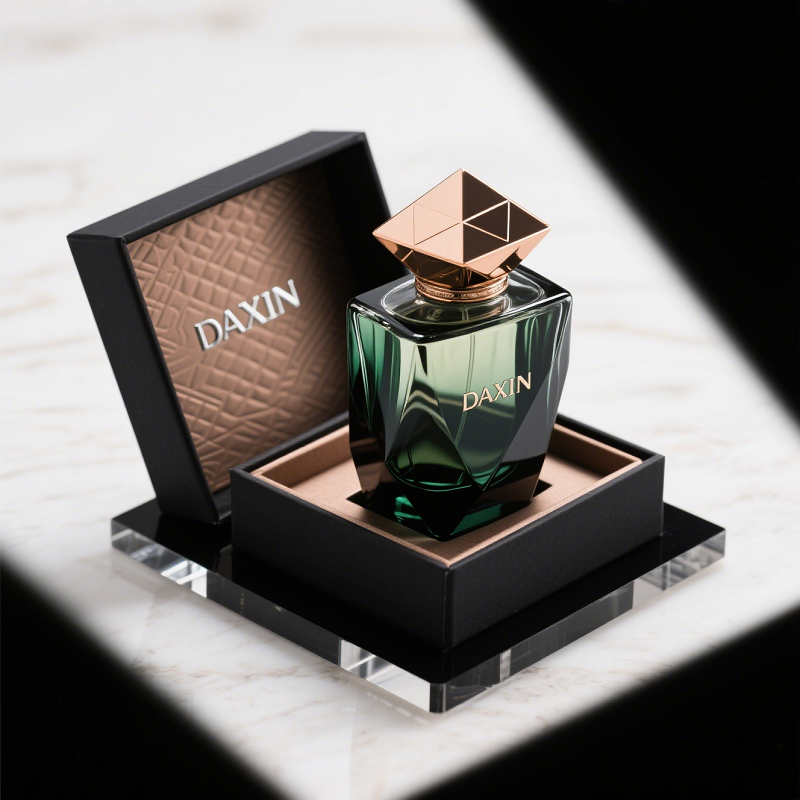
Verantwortung wird zu einem bestimmenden Merkmal des modernen Luxus. Dieser Trend geht über die bloße Kennzeichnung von recycelbaren bis hin zu physisch, buchstäblich nachhaltigen Materialien hinaus. Die Verbraucher, vor allem jüngere Gruppen, suchen aktiv nach Marken, die ihre Werte widerspiegeln. Der Stil hier ist der eines hohen Naturalismus. Dazu gehören die Verwendung von geformtem Zellstoff, recyceltem Kraftpapier und Designs aus einem einzigen Material. Die Bildsprache wird mit Hilfe von neutralen Farben und Erdtönen aufgebaut. Diese Philosophie lässt sich sogar auf den Parfümflakon selbst übertragen, bei dem auf nachfüllbare Flaschen Wert gelegt wird, um den Abfall zu minimieren. Der Charme liegt in der natürlichen Beschaffenheit und Aufrichtigkeit des Materials, das häufig mit kleinen Tinten auf Sojabasis kombiniert wird. Dies ist eine Strategie, die Offenheit und eine bewusste, zeitgemäße Qualität vermittelt.
Trend 2: Kühnes Minimalismus und Typografie
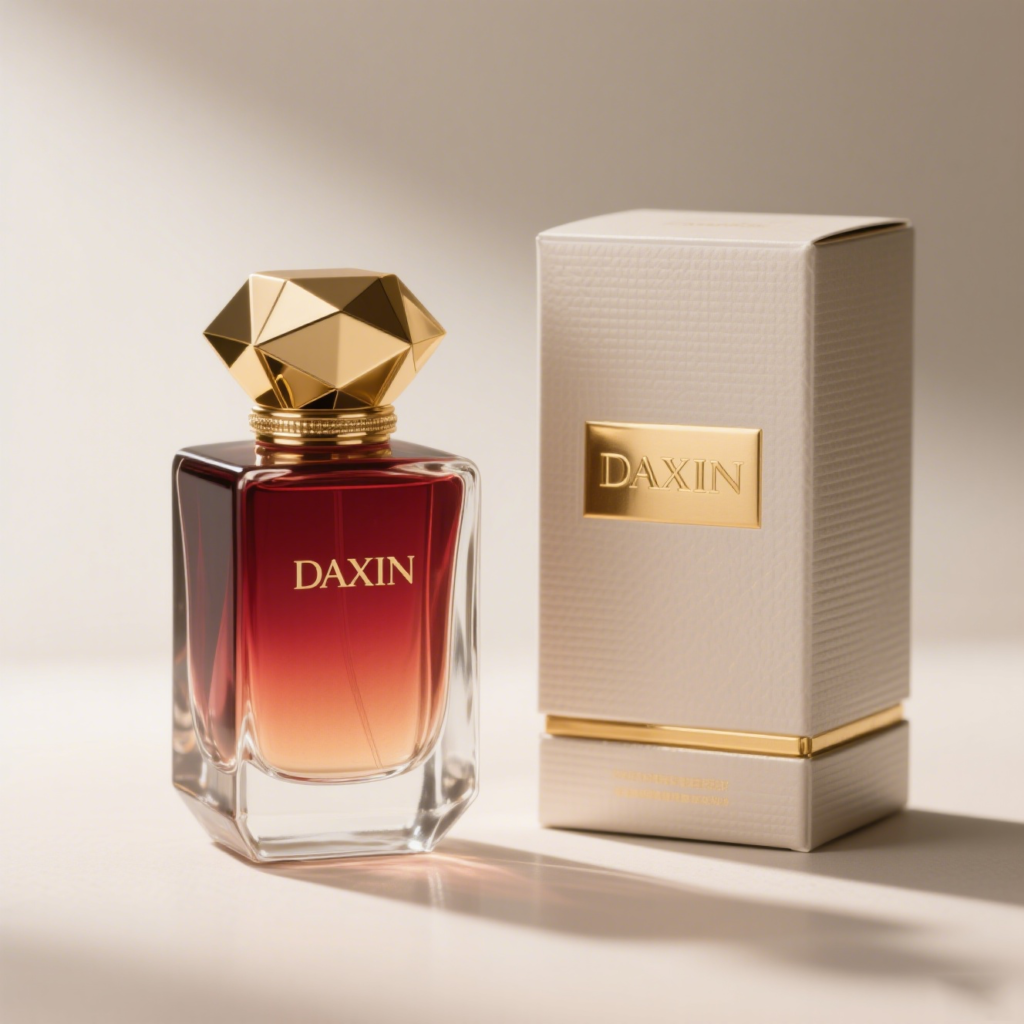
Dies ist ein Kurs des Vertrauens. Es handelt sich um einen minimalistischen Stil, der keine aufwendige Dekoration erfordert. Statt aufwändiger Bilder auf der Schachtel wird der Name der Marke oder die Identität des Parfums in fetter Typografie direkt in den Vordergrund gestellt. Es handelt sich um ein minimalistisches Design, das auf negativem Raum, geraden Linien, kontrastreichen Farbschemata (starkes Weiß, tiefes Schwarz, gesättigte Einzelfarben) und einer obsessiven Aufmerksamkeit für die Qualität der Materialien basiert. Selbst eine einfache schwarze Schachtel kann sehr raffiniert sein. Die Präzision des Drucks, die Schärfe der Kanten und die perfekte Registrierung eines geprägten Logos vermitteln den "Luxus". Einfache Typografie ist eine Notwendigkeit, aber sie sollte mit professioneller Aufmerksamkeit ausgewählt werden; es ist wichtig, elegante Typografie und bestimmte minimalistische Schriftarten zu verwenden. Es ist eine Tatsache, dass die Marke und das Produkt stark genug sind, um für sich allein zu stehen.
Trend 3: Vintage-Revival und künstlerisches Flair
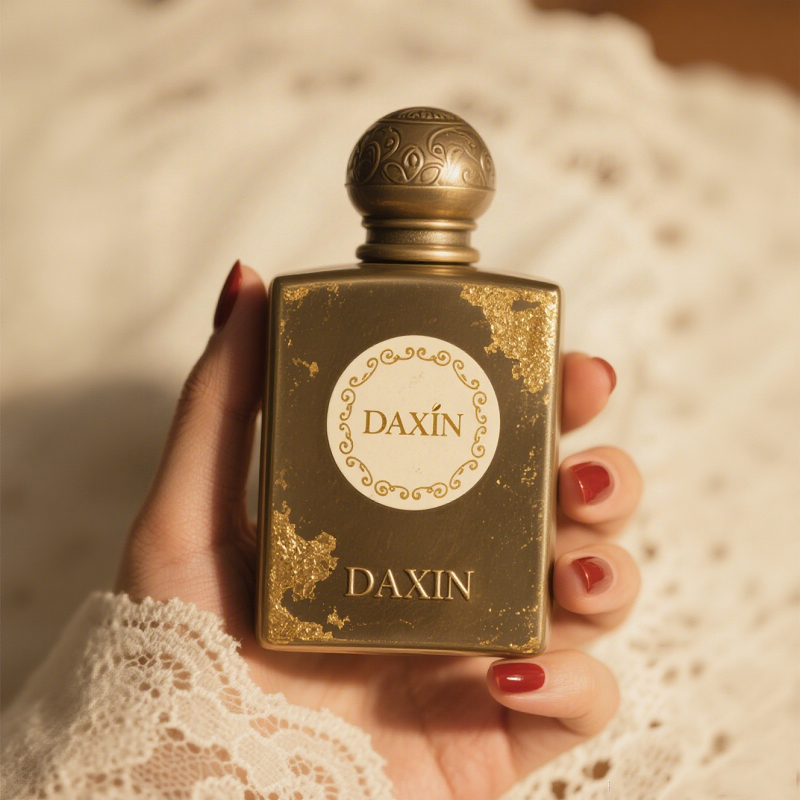
Diese Bewegung nutzt das Bedürfnis nach Erzählung, Geschichte und Handwerkskunst. Sie äußert sich in aufwendigen Zeichnungen, botanischen Drucken, üppigen Mustern oder traditionellen Goldfolienverzierungen. Wir beobachten die Wiederbelebung aufwändiger floraler Muster, die an die Tradition von Tapeten oder handgefertigten Stoffen erinnern. Die Typografie ist eher elegant mit Serifen und Schriften, die an die Tradition der alten europäischen Parfümerien erinnern (obwohl der Markenname selbst neu ist). Dieser Stil passt gut zu Düften mit einer komplizierten Hintergrundgeschichte oder zu Düften, die aus seltenen, traditionellen Materialien hergestellt werden. Er impliziert Beständigkeit, Handwerkskunst und eine Beziehung zu einem weniger industriellen Handwerk, das eher romantisch ist.
Trend 4: Interaktive und strukturelle Gestaltung
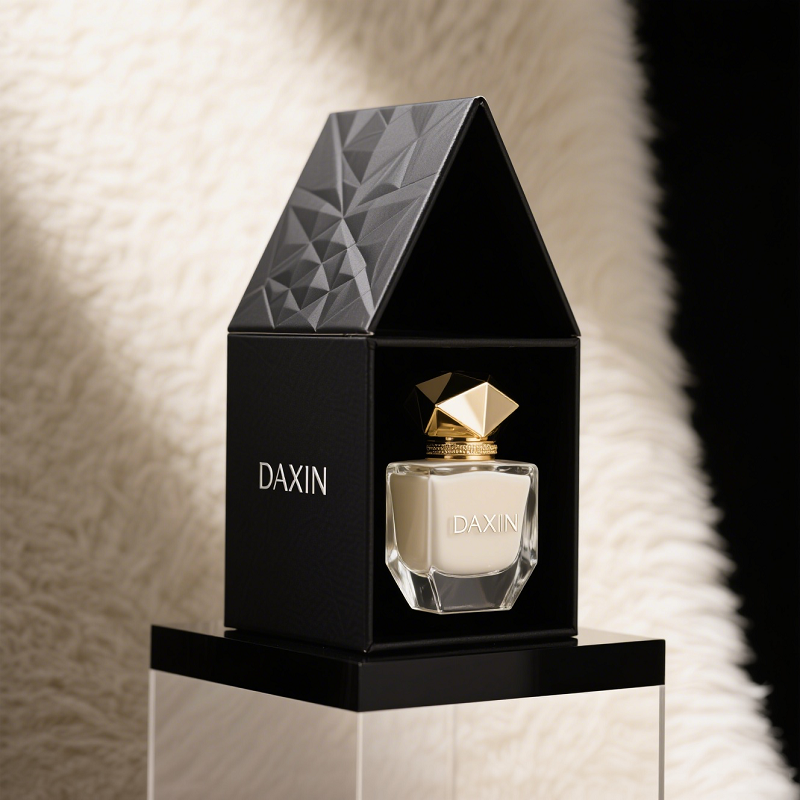
In diesem Fall ist die Schachtel nicht mehr nur ein Behälter, sondern ein kinetisches Objekt. Das Design befasst sich mit dem Öffnungsvorgang. Dazu können ausziehbare Schubladen, magnetische Deckel, mehrschichtige Teile, die in einer bestimmten Reihenfolge geöffnet werden müssen, oder komplizierte Innengestaltungen gehören, die die Flasche in einer architektonischen Weise zeigen. Diese Strategie ist eindeutig im Ultra-Premium-Segment angesiedelt, da die Komplexität der Konstruktion und Herstellung hoch ist. Sie zielt darauf ab, eine denkwürdige, absichtliche Enthüllung zu schaffen, die normalerweise der angenehmste Aspekt der ersten Erfahrung ist. Dies erzeugt ein starkes Gefühl der Exklusivität und Inhalte, die in den sozialen Medien geteilt werden können.
Trend 5: Sanfte Modernität und gedeckte Paletten
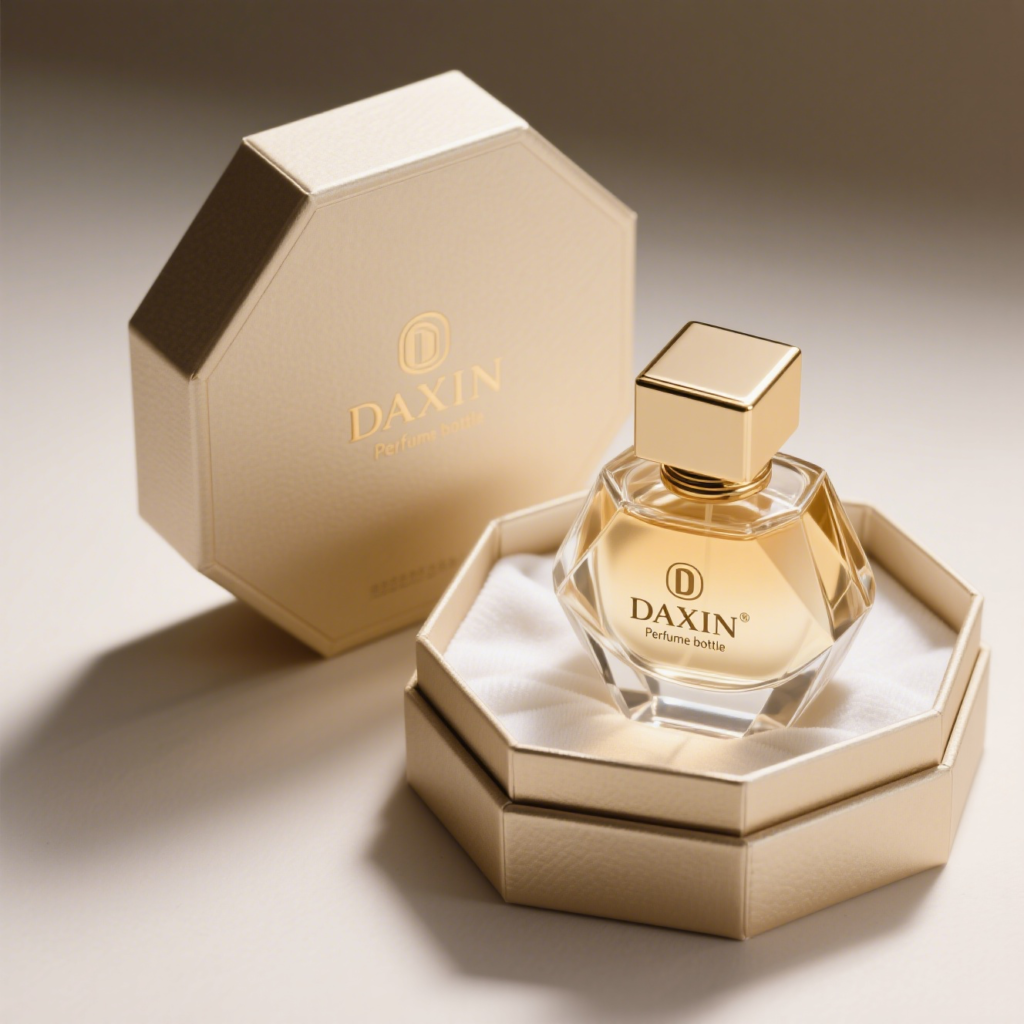
Es handelt sich um eine sehr moderne, digital geprägte Ästhetik. Sie verweigert das Extrem des klassischen Luxus zugunsten von Leichtigkeit und Komfort. Die Essenz dieses Trends ist seine Farbgebung: weich, matt und häufig monochromatisch, mit neutralen Farben, Pastellfarben und eleganten Erdtönen. Die Oberfläche des Materials ist fast immer ein nicht reflektierendes, samtiges, weiches Laminat, das fast immer matt ist. Dieser minimalistische Stil wird mit klaren, minimalistischen und serifenlosen Schriftarten kombiniert, um eine Ästhetik zu erzeugen, die gelassen, freundlich und sehr fotogen in den sozialen Medien ist. Es vermittelt einen modernen, rücksichtsvollen und humanistischen Luxus.
Trend 6: Künstlerkollaborationen und limitierte Editionen
Bei diesem Ansatz wird das kulturelle Kapital der bildenden Kunst genutzt, indem ein Künstler mit der Gestaltung der Verpackung beauftragt wird. Es handelt sich dabei nicht nur um einen künstlerischen Stil, sondern um eine direkte Zusammenarbeit, in der Regel eine limitierte Auflage eines neuen Duftes oder eines Duftklassikers. Die Unterschrift oder der einzigartige Stil des Künstlers steht im Vordergrund, und die Parfümschachtel wird zu einem wertvollen Objekt für sich. Dies erzeugt Verknappung, Dringlichkeit und eine starke, auf kulturellem Mäzenatentum basierende Markenerzählung. So können sich Parfümhersteller in die kreative Szene einfügen und anspruchsvolle Kunden ansprechen, die Originalität und kulturelle Angemessenheit schätzen.
Trend 7: Narrative und konzeptionelle Gestaltung
Dieser Trend geht über die reine Ästhetik hinaus, um eine bestimmte Geschichte zu erzählen oder eine starke Idee auszudrücken. Das Design der Verpackung ist eine wörtliche Interpretation der Inspiration des Duftes. Dies kann in Form einer abstrakten Grafik geschehen, die eine olfaktorische Note symbolisiert, einer typografischen Bearbeitung, die eine Emotion simuliert, oder eines Designs, das auf einen bestimmten Ort oder eine bestimmte Zeit anspielt. Das Ziel ist es, intellektuelles und emotionales Interesse zu wecken. Der Verbraucher wird nicht aufgefordert, die Verpackung anzusehen, sondern sie zu lesen. Diese Strategie ist besonders nützlich für Nischenparfümmarken, die von einer starken konzeptionellen Geschichte angetrieben werden und eine starke Bindung zu den Verbrauchern aufbauen, die mehr wollen als nur ein schönes Objekt.
Die Grundlage: Warum Ihre Flasche die Box definiert
Der Verpackung von Parfüms liegt eine chronologische Logik zugrunde, die häufig nicht beachtet wird: Die Schachtel ist für den Flakon gemacht. Der Held ist der Parfümflakon, die Schachtel ist sein maßgeschneiderter Schutz. Es kann sich um einen 50-ml-Flakon eines Eau de Parfums oder einen 100-ml-Flakon eines neuen Duftes handeln, aber sein Aussehen ist der Ausgangspunkt.
Eine Marke kann und sollte sich nicht allein an die Gestaltung einer Schachtel machen. Die physikalischen Eigenschaften des Parfümflakons sind die Ausgangspunkte, von denen das gesamte Schachteldesign ausgehen sollte. Die Mindestinnenmaße hängen von der genauen Höhe, Breite und Tiefe des Flakons ab. Die Form der Innenschale oder des Einsatzes wird durch die Form des zylindrischen, quadratischen oder unregelmäßigen Flakons bestimmt. Die Stärke und Dicke des benötigten Kartonmaterials hängt von seinem Gewicht ab (z. B. benötigt ein schwerer 100-ml-Flakon einen stabilen Karton, keinen dünnen Faltkarton).
Dies ist eine absolute Beziehung. Eine Designidee, die die Spezifikationen der Flasche nicht berücksichtigt, ist reine Fantasie. Das Design der Schachtel, ihre Konstruktion, ihre Schutzeigenschaften und ihr eventueller Sitz hängen vollständig von der Existenz einer vollständigen, physisch realistischen Flasche ab. Der Versuch, sie gleichzeitig zu entwerfen, ohne dass eine gegenseitige Kommunikation stattfindet, führt zu schwerwiegenden Misserfolgen bei der Produktion.
Wie Ihr Flaschenpartner kostspielige Boxenfehlkäufe verhindert
Die häufigste und kostspieligste Falle bei der Herstellung von Duftstoffen ist die Nichtübereinstimmung der einzelnen Hersteller von Flaschen und Schachteln. Ein gutes Verpackungsdesign erfordert eine perfekte Passform, was bei zwei Fabriken, die jeweils ihre eigenen Fertigungstoleranzen haben, bekanntermaßen schwer zu bewerkstelligen ist. Ein Markenmanager könnte feststellen, dass seine maßgeschneiderten Parfümschachteln nicht zum endgültigen Parfümflakon passen, dass sie lose sitzen und klappern. Dies ist ein kritischer Fehler, der das Gefühl von Luxus sofort zunichte macht und dem Markenimage schadet, was als haptische Dissonanz bezeichnet wird.
Hier kommt der Wert eines integrierten Produktionspartners ins Spiel. Bei Daxin Glass Bottles erhalten Sie alles aus einer Hand. Wir nutzen unsere Erfahrung, um Parfümflaschen herzustellen, die für ihre hervorragende Klarheit (um Ihr Eau de Parfum zu präsentieren), ihr schweres Gewicht und ihre einheitliche und hochpräzise Verarbeitung bekannt sind. Wir verfügen über eine starke und dynamische Lieferkette mit 5 Produktionslinien für Glas und 5 Produktionslinien für Verpackungen, die unter einem einzigen Dach arbeiten. Da wir ein einziger Partner sind und für beide Prozesse verantwortlich sind, arbeiten unsere Ingenieurteams mit einem einzigen Datensatz. Die Schachteln, die Ihr Parfüm enthalten, werden auf der Grundlage der realen Produktionsspezifikationen Ihrer Flaschenproduktion hergestellt, nicht auf der Grundlage einer idealisierten Datei. Diese reibungslose Integration beseitigt jegliches Rätselraten, vermeidet kostspielige Unstimmigkeiten und gewährleistet, dass das Endprodukt solide, integriert und luxuriös ist.
Die Auswahl der richtigen Materialien: Struktur und Haptik
Die Qualität ist ein wichtiger Faktor bei der Wahl des Materials der Schachtel. Die Entscheidung geht über die reine Farbe hinaus und bezieht sich auf Form, Masse und Haptik. Es handelt sich nicht um allgemeine Verpackungsschachteln, sondern um Parfümverpackungen, die auf einen Luxusmarkt abzielen.
- Starre Schachteln: Dies ist der Standard für Luxusparfüms. Sie wird aus einer dicken und dichten Spanplatte hergestellt, die mit einem Spezialpapier überzogen ist. Sie sind dauerhaft, schwer und nicht zusammenklappbar. Starre Schachteln sind am besten geschützt und haben einen hohen Preis. Ihre Kanten sind scharf und haben einen Winkel von 90 Grad. Sie sind der Inbegriff für hochwertige Materialien in der Welt der Schachteln.
- Faltschachtel (Karton/Pappe): Hierbei handelt es sich um einen weiter verbreiteten, einlagigen Karton, der bedruckt und dann gefaltet und geklebt wird. Er ist leichter, billiger und wird flach versandt. Obwohl er sehr schön ist, ist er weniger stabil als ein fester Karton und eignet sich besser für die Positionierung von zugänglichem Luxus oder für den Massenmarkt.
- Spezielle Papiere: Dies ist die Umhüllung einer starren Schachtel oder das Papiermaterial einer Faltschachtel. Die Möglichkeiten sind enorm: glatte Papiere mit einer natürlichen, rauen Haptik; gestrichene Papiere mit einer glatten, satinierten Haptik; geprägte, strukturierte Papiere (wie Leinen oder Leder). Das verwendete Papier hat einen direkten Einfluss auf die Interaktion des Lichts mit der Oberfläche und die Haptik der Schachtel, die Teil der Gesamtanmutung des Parfums ist.
Wertschöpfung: Wichtige Druck- und Veredelungstechniken
Das Schmuckstück der Box sind die Veredelungstechniken. Sie werden im Anschluss an den Basisdruck eingesetzt und spielen eine wichtige Rolle, wenn es darum geht, taktile und visuelle Tiefe zu schaffen. Sie sind in der Lage, ein einfaches Design außergewöhnlich zu machen und sind für die Erzielung eines besonderen ästhetischen Wertes unerlässlich.
| Technik | Beschreibung & Wirkung | Wertschöpfung durch... | Am besten für... | Relative Kosten |
| Folienprägung | Bringt metallische/pigmentierte Folie (z. B. Goldfolienprägung) mit Hitze und Druck auf. Hell, reflektierend, metallisch. | Sie vermitteln klassischen Luxus, einen hohen Preis und ein erstklassiges Gefühl. | Logos, Textakzente und Zierleisten. | Hoch |
| Prägen / Entprägen | Erzeugt ein erhabenes (konvexes) oder vertieftes (konkaves) 3D-Design im Papier selbst. Rein strukturell. | Verleiht eine anspruchsvolle, taktile Qualität, die zum Anfassen einlädt. Vermittelt Handwerkskunst und Raffinesse. | Logos, Monogramme, Muster oder die Verstärkung einer eleganten Typografie. | Mittel-Hoch |
| Spot UV | Ein hochglänzender, klarer Lack wird auf bestimmte Bereiche des Designs aufgetragen, wodurch ein starker Kontrast zu einem matten Hintergrund entsteht. | Hervorhebung eines Logos oder Musters mit einer subtilen, modernen Eleganz im "Wetlook". Schafft ein auffälliges Detail. | Akzentuierte Logos auf einer mattschwarzen klassischen Box, die Ton-in-Ton-Muster erzeugt. | Mittel |
| Kaschierung | Ein dünner Schutzfilm, der auf die gesamte Oberfläche aufgetragen wird. Gängige Oberflächen sind glänzend, matt oder "Soft-Touch" (Samtgefühl). | Schutz des Aufdrucks vor Kratzern; drastische Veränderung des gesamten taktilen Erlebnisses der Box. | Erzielung eines "Soft Modernism"-Gefühls (Matte/Soft-Touch); Schutz von Bereichen mit hellen Farben (Gloss). | Mittel |
| Stanzen | Verwendung einer speziell angefertigten Stanze, um das Papier/den Karton in eine nicht standardmäßige Form zu schneiden oder ein "Fenster" zu schaffen. | Einzigartige strukturelle Formen oder ein "Guckloch", das den Blick auf den Parfümflakon freigibt. | Kreative Parfümverpackungen; interaktive Strukturdesigns. | Hoch |
| Offset-/Digitaldruck | Der Basisprozess des Farbauftrags. Kann CMYK (für florale Muster) oder Pantone (für präzise Markenfarben) sein. | Festlegung der grundlegenden ästhetischen Anziehungskraft, des Farbkonzepts (neutrale Farben, Erdtöne) und aller visuellen Informationen. | Anwendung aller Basisgrafiken, von einfacher Typografie bis zu komplexen botanischen Drucken. | Basis |
Gestaltung des "Unboxing"-Rituals: Gestaltung des Innenraums
Das Unboxing-Erlebnis ist ein wesentliches Element der Markengeschichte und eine enorme Quelle für den Austausch in den sozialen Medien. Das Äußere der Box weckt Vorfreude, das Innere befriedigt sie. Das Innere sollte lahm sein, sonst wird das gesamte sensorische Erlebnis zunichte gemacht.
Hier geht es um die Enthüllung. Wie wird die Flasche präsentiert? Dies wird durch den Einsatz (auch Innenschale genannt) gesteuert. Ein glatter Karton sollte eine glatte Innenseite haben.
- EVA Schaumstoff: Ein dicker, hochwertiger Schaumstoff, der üblicherweise mit Samt oder Seide überzogen ist. Die Flasche wird in eine speziell ausgeschnittene Aussparung eingesetzt. Dies ist sehr schützend, modern und sicher.
- Geformter Papierzellstoff / Karton: Dies ist eine umweltfreundlichere Wahl, die an die Form der Flasche angepasst werden kann. Sie kann ungekocht bleiben, um ihr ein umweltfreundliches Aussehen zu verleihen, oder sie kann mit Papier überzogen werden, um ihr ein anspruchsvolleres Aussehen zu verleihen.
- Mit Stoff gefütterte Plattformen / Umhüllung: Die Flasche kann auf ein Podest gestellt oder von Hand in gebrandetes Seidenpapier eingewickelt werden. Dies verleiht ihm eine persönliche, sensible Note und verlangsamt das Auspacken, wobei die Markengeschichte Schicht für Schicht entsteht. Die Haptik des Seidenpapiers, der Geruch des Parfüms der Samteinlage, all das sind kontrollierte Details. Andere Marken gehen sogar so weit, kleine Extras wie Parfümproben anderer Düfte beizulegen, um Loyalität zu schaffen.
Eine 7-Punkte-Checkliste für das Briefing Ihres Designers
Um Ihre Vision in die Realität umzusetzen, müssen Sie Ihrem Designer oder Lieferanten ein klares und detailliertes Briefing geben. Die häufigste Ursache für Verzögerungen und Budgetüberschreitungen bei maßgefertigten Schachteln ist ein unklares Briefing.
- Marke Schlüsselwörter: Drei bis fünf Wörter, die die Marke beschreiben (z. B.: Minimalistisch, Opulent, Modern, Heritage, Bold). Geben Sie Ihren Markennamen an.
- Zielpublikum Profil: Wer ist dieser Kunde? Wie hoch ist sein Einkommen? Welche anderen Marken kaufen sie?
- Genaue Flaschenspezifikationen: Das wichtigste Objekt. Präsentieren Sie die fertigen technischen Zeichnungen, 3D-Modelle und das physische Gewicht, das Ihr Flaschenhersteller anbietet.
- Materielle Präferenzen: Starre Schachteln oder Faltkarton? Welche Art von Textur wünschen Sie (z. B. ungestrichen, matt, hochglänzend, strukturiert)?
- Fertigstellung und Budgetbeschränkungen: Welche Techniken sind obligatorisch (z. B. "Muss Goldfolie haben")? Was ist die nicht verhandelbare Obergrenze für die Stückkosten Ihrer individuellen Parfümschachteln?
- Benchmarks für den Wettbewerb: Nennen Sie 2-3 Boxen von Wettbewerbern, die Sie bewundern, und, was ebenso wichtig ist, 2-3, die Sie nicht bewundern. Erläutern Sie warum.
- Zeitplan des Projekts: Bis wann muss der endgültige, genehmigte Entwurf vorliegen? Wann soll die Massenproduktion beginnen?
Ihre Box: Das erste Versprechen, das Ihre Marke macht
Die Parfümschachtel ist viel mehr als nur eine Schachtel. Sie ist ein strategisches Instrument, ein Element der Markenkommunikation und der Beginn einer sensorischen Reise des Kunden. Sie ist ein wichtiges Element Ihres Markenimages.
Das Design sollte keine nachträgliche Idee oder eine übereilte Entscheidung sein. Es erfordert die gleiche Aufmerksamkeit, Genauigkeit und taktisches Denken wie das Parfüm selbst. Jede Entscheidung zählt, angefangen bei der Wahl des Flakons über die Wahl des Papiers bis hin zur Gestaltung des Unboxing-Erlebnisses.
Es ist der Handschlag zwischen Ihrer Marke und Ihrem Kunden, der erste physische Handschlag. Wenn sie zielgerichtet eingesetzt wird, verspricht sie Qualität - ein Versprechen, das der darin enthaltene Duft mit Sicherheit erfüllen wird. Eine erfolgreiche Parfümverpackungsstrategie wird dazu beitragen, die Lücke zwischen einem einmaligen Kauf und einer lebenslangen Bindung zu schließen, die zu Wiederholungskäufen führt, die eine Marke schaffen.
 English
  Spanish
  French
  German
  Arabic
  Italian
  Dutch
Dutch