
When your perfume won't spray, do not shake the bottle violently or attempt brute-force dismantling. This guide provides 100% safe physical troubleshooting and non-destructive decanting steps. Immediately reference the 30-second rapid diagnostic below to pinpoint the root cause of the failure, whether it is a simple resin clog or a mechanical pump collapse. For fragrance founders and brand buyers reading this, stay until the end: we will dissect the industrial manufacturing flaws that cause these failures and reveal how to eliminate them from your supply chain.
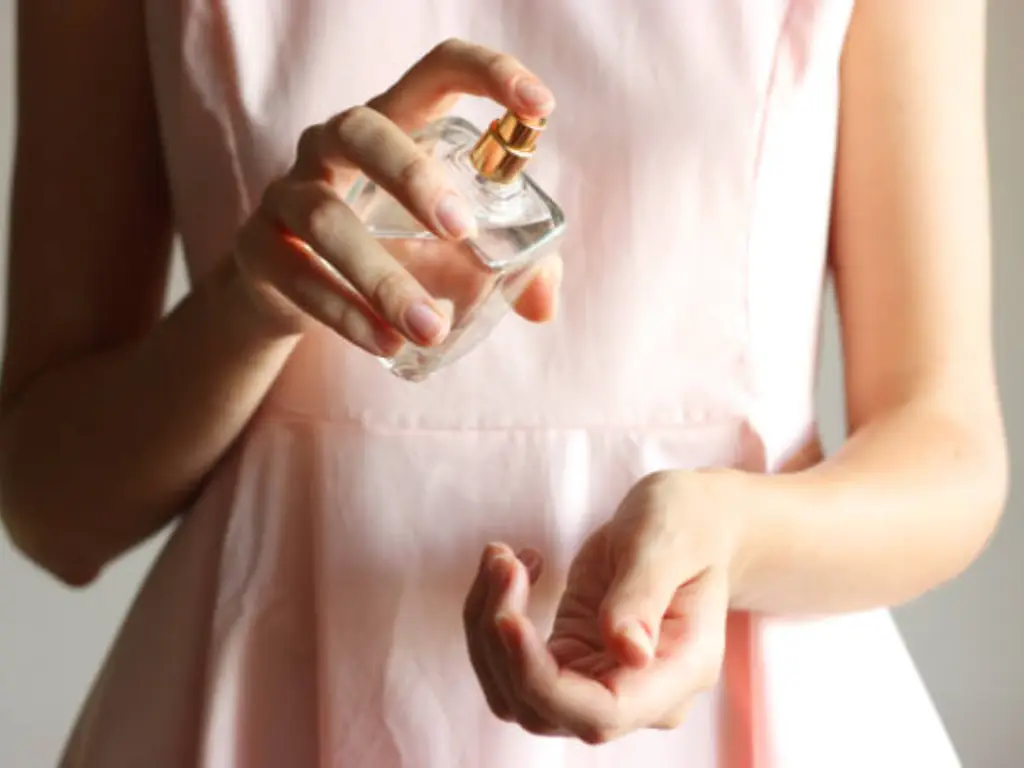
Immediate Triage: Diagnosing Why Your Perfume Bottle Stopped Spraying
The most catastrophic mistake consumers make is applying a random fix without understanding the underlying mechanical failure. A standard premium fragrance pump is a micro-engineered system consisting of four critical components: the external Actuator (the button), the internal Stem (the connecting tube), the Spring mechanism (providing resistance), and the Dip tube (the straw reaching the liquid).
Before attempting any repairs, perform a rapid, MECE (Mutually Exclusive, Collectively Exhaustive) diagnostic test based purely on the physical resistance you feel when pressing the actuator:
| Phenomenon (Resistance) | Physical Symptom | Root Cause Diagnosis | Action Plan |
|---|---|---|---|
| A: High Resistance | The nozzle feels incredibly stiff, is difficult to press, or gets stuck downward. | Severe blockage (crystallized oils) or seized internal spring. | Proceed to Physical Unclogging. |
| B: Zero Resistance | You press the nozzle effortlessly, but absolutely nothing comes out except air. | “Air Lock” (vacuum pressure loss in the pump). | Proceed to the Pressure Restoration Hack. |
| C1: Sputtering | The pump presses normally, but it shoots a harsh, straight stream instead of a fine mist. | Microscopic spray orifice on the actuator cap is physically damaged. | Proceed to the Zero-Cost Actuator Swap. |
| C2: Base Leaking | Perfume constantly leaks from the metal crimp base onto your fingers when pressed. | Internal rubber gasket deformed (irreversible systemic failure). | Jump to Advanced Extraction to save liquid. |
Quick Fixes for Clogged Perfume Nozzles
If you identified with Phenomenon A, nearly 70% of all consumer complaints stem from a reversible micro-blockage. Natural essential oils and alcohol interact with oxygen over time. If a bottle sits unused, liquid at the tip evaporates, leaving behind a sticky, hardened resin that seals the 0.3mm exit hole. Here are the safest dissolution methods.
The Warm Water and Alcohol Soak Method
This is the gentlest first line of defense, relying on chemical dissolution rather than brute force. Think of hardened fragrance resin like frozen butter; introducing a targeted solvent melts it away safely without damaging the delicate plastic pathways.
- Firmly grasp the plastic or metal actuator cap and pull it straight up off the stem.
- Fill a small glass bowl with very warm running tap water or high-concentration rubbing alcohol (isopropyl alcohol, 70%+).
- Submerge the actuator completely for 10 to 15 minutes.
- Use a tightly wound cotton swab dipped in alcohol to gently wipe away softened residue from the exit hole and bottom connection port.
CRITICAL SAFETY WARNING: Never use boiling water to soak the entire perfume bottle. The boiling point of ethanol (the primary solvent in perfumes) is extremely low—only 78°C (172°F). Exposing your bottle to excessive heat will destroy top notes and cause internal pressure to spike violently, leading to catastrophic glass explosion in poorly annealed bottles.
The Precision Needle Clearance Technique
If the soak fails, a calcified physical obstruction is bridging the micro-orifice. The exit hole of a standard cosmetic atomizer is extraordinarily small (approx. 0.3mm). Do not use a thick sewing needle. Forcing a large piece of metal into the plastic orifice will permanently gouge the directional flow channels, turning your mist into a squirt gun.
- Take an ultra-fine sewing pin or sterile syringe needle. Gently insert only the absolute tip into the spray hole.
- Use a delicate, upward flicking motion to scrape and dislodge the crusty blockage at the surface.
- The Verification Loop: Place the actuator back onto the stem. Do not press it upright immediately. Turn the bottle completely upside down and press the nozzle 3-4 times to purge the air and draw liquid up. If a fine mist appears, the repair is complete.
Restoring Lost Pressure and Air Locks in the Pump Mechanism
If you diagnosed Phenomenon B (pressing empty air), your pump suffers from an "Air Lock." A perfume atomizer operates as a vacuum pump. Extreme temperature fluctuations—such as a freezing cargo plane during shipping, or a sweltering car trunk—cause air inside the bottle to expand and contract rapidly. This introduces microscopic air bubbles into the dip tube, breaking the siphon effect.
The "Invert and Pump" Hack: This physics-based fix requires zero tools. Flip your perfume bottle completely upside down so the dip tube is exposed to the air bubble at the bottom of the glass. Point the nozzle towards a sink and firmly press the pump 5 to 10 consecutive times. This forcefully purges trapped air out of the system. Turn the bottle right-side up and press again to instantly restore vacuum pressure.
The Zero-Cost Actuator Swap (For Sputtering Nozzles)
If you diagnosed Phenomenon C1 (shooting a straight stream), do not immediately destroy the bottle. This indicates the fluid dynamics within the actuator cap have been permanently altered, often due to physical damage to the micro-orifice.
Before attempting decanting, try a Component Swap. Most standard perfume atomizers share universal stem diameters. Pull the actuator cap off a functioning, empty perfume bottle in your collection and firmly press it onto the stem of your broken bottle. In many cases, this zero-cost, zero-risk replacement instantly fixes the sputtering issue.
Advanced Extraction: Rescuing Fragrance Without Breaking the Seal
When physical unclogging fails, or if your bottle exhibits Phenomenon C2 (chronic leaking from the base indicating internal gasket failure), the pump is officially dead. Your objective shifts to saving the liquid while protecting the expensive fragrance from oxygen exposure.

The Vacuum Syringe Extraction Method (Non-Destructive)
This is the optimal decanting solution: zero evaporation, zero oxidation, preserving the pristine chemical profile of your perfume.
Pull the top actuator button off, exposing the plastic valve stem. Purchase a sterile, blunt-tip cosmetic syringe. Press the blunt tip directly and firmly down over the exposed plastic stem to create an airtight seal. Slowly pull up on the syringe plunger. The vacuum force bypasses the broken spring mechanism and siphons the perfume directly into the syringe barrel for safe transfer.
Unlocking Stuck Screw-Top Bottles
Several niche brands (e.g., Le Labo) utilize threaded "Screw Necks." Do not twist a stuck screw-cap using brute sheer force, as older bottles are locked tight by hardened, evaporated fragrance resin acting like industrial glue. Twisting forcefully will snap the glass neck.
Instead, use a hairdryer on medium-warm heat to blow air evenly around the metal collar for 15 to 20 seconds, softening the resin. Alternatively, apply two drops of pure rubbing alcohol into the collar seam. Wait five minutes, wrap a rubber grip pad around the base, and twist gently counter-clockwise.
The Last Resort: Dismantling Crimp-On Atomizers and Decanting
If the syringe method fails (often because the internal stem is snapped) and the bottle is not a screw-top, you must perform an irreversible, destructive breach of the metal seal.
The Pliers Method for Crimp-On Bottles
Mainstream designer perfumes utilize the FEA 15 crimp standard. A machine forcefully wraps an aluminum ferrule under the lip of the glass neck, compressing a rubber gasket to create a permanent, hermetic seal. Once cut, the gasket is destroyed.
- Use pliers to grip the decorative outer aluminum collar and wiggle it upwards until it snaps off, revealing the inner crimped ferrule.
- Take wire nippers and make a vertical cut straight down the side of the soft metal ferrule, stopping right above the glass lip.
- Use needle-nose pliers to grip the edge of the cut metal and peel it backward, exactly like peeling a walnut shell.
CRITICAL SAFETY WARNING: Never place your pliers against the glass rim to pry the metal cap upward! Glass has terrible shear strength. If the manufacturer skipped crucial annealing processes, leverage will instantly shatter the bottle neck, ruining your perfume with glass shards.
Gravity Funneling into Premium Glass Vials
Once the metal is peeled, pull the pump mechanism out. Your fragrance is now exposed to ambient oxygen. You must act within 3 minutes to prevent volatile top notes from evaporating.
Use a stainless steel micro-funnel to pour the liquid. Do not pour luxury perfumes into cheap plastic (PET) travel bottles. Plastics react chemically with concentrated essential oils, turning the liquid cloudy. Always transfer into high-quality, chemically inert glass vials. Explore Daxin Glass's premium travel vials to guarantee zero chemical reactivity with your luxury scents.
Anatomy of a Failure: Why Fragrance Brands Must Choose Reliable Packaging
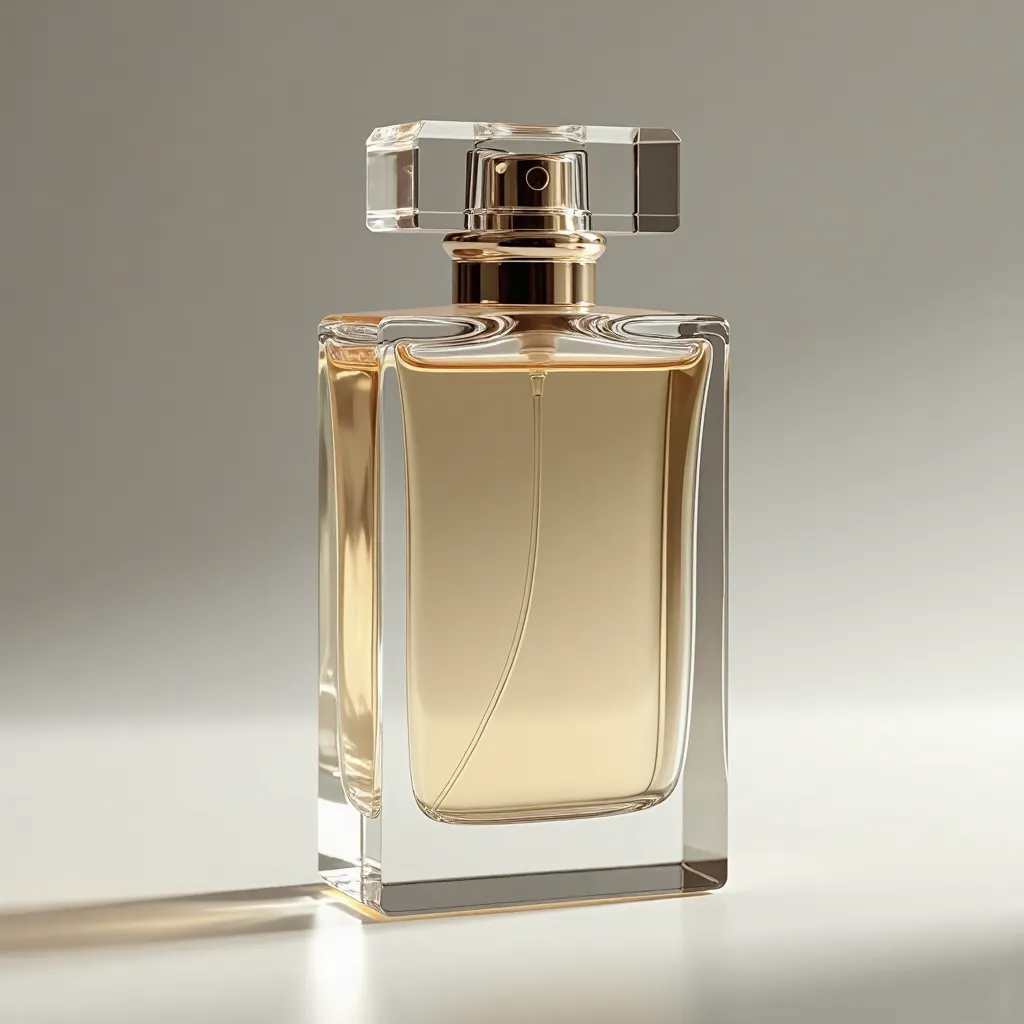
If you just spent 45 minutes sweating over a broken bottle with pliers, the consumer is not at fault. When a nozzle jams, a base leaks chronically, or a glass neck shatters under minimal pressure, the blame lies squarely on a compromised packaging supply chain.
For perfume brand owners, manufacturers, and distributors, every "how to fix my perfume bottle" search represents a catastrophic failure in brand trust, a looming RMA, and margin erosion. High-end fragrances are precision chemical formulations demanding precision mechanical engineering.
The tragedies of snapped necks and chronic leaking are entirely preventable when partnering with a top-tier manufacturer that refuses to cut corners. As industry leaders, Daxin Glass enforces engineering fail-safes that redefine the standard:
- Shatter-Resistant Annealing: Cheap bottles explode because budget factories skip proper cooling. Daxin enforces a rigorous 1.5 to 2-hour gradient annealing process in a 520°C to 560°C thermal tunnel. This neutralizes internal molecular stress, resulting in a structurally bulletproof bottle that withstands extreme transit and consumer handling.
- Zero Leaks Through Precision Cuttings: A crimped cap only seals if the glass neck is dimensionally flawless. Through ±1g gob cutting precision combined with high-precision CNC finish molds, Daxin controls bottle neck outer diameter tolerances to within ±0.2mm. This ensures the FEA 15 gasket achieves a 100% airtight fit, eradicating chronic base leakage.
- Flawless Chemical Clarity: Truly premium liquid deserves Super Flint presentation. Instead of recycled glass containing high impurities, Daxin utilizes Crystal White glass with iron oxide ($Fe_2O_3$) levels strictly controlled to under 0.015% (150 ppm). This eliminates any cheap greenish tint, allowing your perfume's natural color to radiate perfectly.
Protect Your Brand's Integrity
A $300 fragrance should never fail because of a poorly molded glass neck or a cheap crimp. Don't let a faulty pump ruin your next fragrance launch.
Request a Free Sample Kit TodayTest the mechanical integrity and leak-proof FEA 15 sealing of our ISO9001 & SGS-certified glass bottles yourself.
Frequently Asked Questions (FAQ)
Can I fix a perfume bottle without using pliers?
Absolutely. Pliers should be your absolute last resort, as they permanently destroy the hermetic seal. Attempt the warm alcohol soak to dissolve clogs, the "invert and pump" method to clear air locks, and the blunt-tip syringe extraction method first. These solve over 85% of spray failures non-destructively.
Why is my perfume spraying a straight stream instead of a mist?
This phenomenon occurs when the microscopic exit orifice on the actuator cap is physically damaged or obstructed, altering internal fluid dynamics. The safest fix is an Actuator Swap: replace the spray cap with a matching one from an empty, functioning perfume bottle.
Is it safe to run hot water over a stuck perfume bottle?
Warm water is safe for soaking the detached plastic cap, but boiling water is extremely dangerous for the glass bottle. Perfumes consist of high-proof ethanol (boiling point 78°C / 172°F). Boiling water vaporizes the alcohol inside the sealed glass, causing massive internal pressure that can shatter the bottle.
 English
  Spanish
  French
  German
  Arabic
  Italian
  Dutch
Dutch  Portuguese
  Russian
  Korean
  Japanese