
Let’s Get Started:
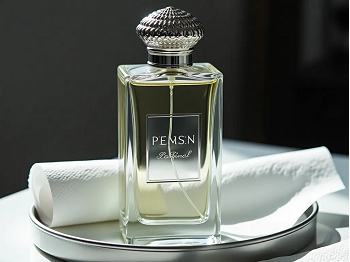
Imagine holding a perfume bottle – it’s not just a container; it’s the heart of the fragrance, sparking that first sensory thrill. From sleek designs to premium materials, every detail shapes how a perfume stands out on shelves and in hearts. Join me as we unpack the fascinating story of perfume bottles, layer by layer.
ONE: The Building Blocks – Materials That Make the Magic
Choosing the right stuff for a perfume bottle is like picking the perfect outfit: it sets the tone, budget, protection, and even eco-friendliness.
- Glass: The Star of the Show, making up 95%+ of bottles out there.
- Varieties to Explore:
- Soda-lime: Your everyday hero – affordable, clear, and shapeable through blowing or pressing. A bit brittle, though, and not the toughest against chemicals.
- High-white/crystal-white: Less iron means ultra-clear and bright, giving that luxurious, pristine vibe. A step up in price from the basics.
- Flint: Packed with lead or barium for that dazzling sparkle, especially when cut like diamonds. Perfect for elite luxuries, but pricey and with eco questions around lead.
- Colored: Mix in oxides (cobalt for blues, chromium greens, selenium reds) to shield sensitive scents from UV rays while adding artistic flair.
- Coated/plated: Start with plain glass, then spray on colors or vacuum-plate metals like gold or rose gold for a shiny, custom look.
- Why Love It? Inert (won’t mess with your perfume), super see-through, feels fancy, molds into wild shapes, and recycles easily.
- The Downsides? Breaks easily, weighs a ton, and shipping isn’t cheap.
- Varieties to Explore:
- Plastic: The Practical Sidekick, ideal for on-the-go packs, testers, budget scents, or accents like caps.
- Options Galore:
- PETG: Clear, tough, chemical-resistant – great for portable sprays.
- PMMA (acrylic): Crystal-clear, hard, and glossy, mimicking glass for stylish mid-range bottles or lids. A bit spendier.
- ABS: Strong and moldable, perfect for intricate caps or decor that can get a metallic plating.
- Others like PE/PP: Hidden heroes for liners or droppers that don’t touch the scent directly.
- Perks? Tough against drops, light as a feather, often cheap, and super flexible in design.
- Catch? Not as elegant or clear as glass (PMMA bucks the trend), might interact slightly with perfumes over time (test rigorously!), and some types aren’t earth-friendly.
- Options Galore:
- Metal: The Tough Accent, shining in caps, rings, sprayers, or bold bodies like aluminum tins.
- Choices:
- Zinc alloy: Go-to for easy shaping and finishes like plating or coating – balanced cost and cool factor.
- Aluminum alloy: Light and colorable via anodizing, evoking high-tech vibes for upscale pieces.
- Stainless steel: Rust-proof and sturdy, hiding in sprayer guts or premium lids.
- Copper/brass: Adds vintage charm to decor or as plating bases.
- Upsides? Built to last, textures galore from treatments, excellent for protection.
- Drawbacks? Can be costly (aluminum/stainless especially), scratches show, and untreated metals might corrode.
- Choices:
- Wild Cards: Wood, ceramics, stones for those one-of-a-kind artistic editions – think ultra-exclusive, with sky-high prices and tricky making.
TWO: Crafting the Bottle – The Art and Science Behind the Shape
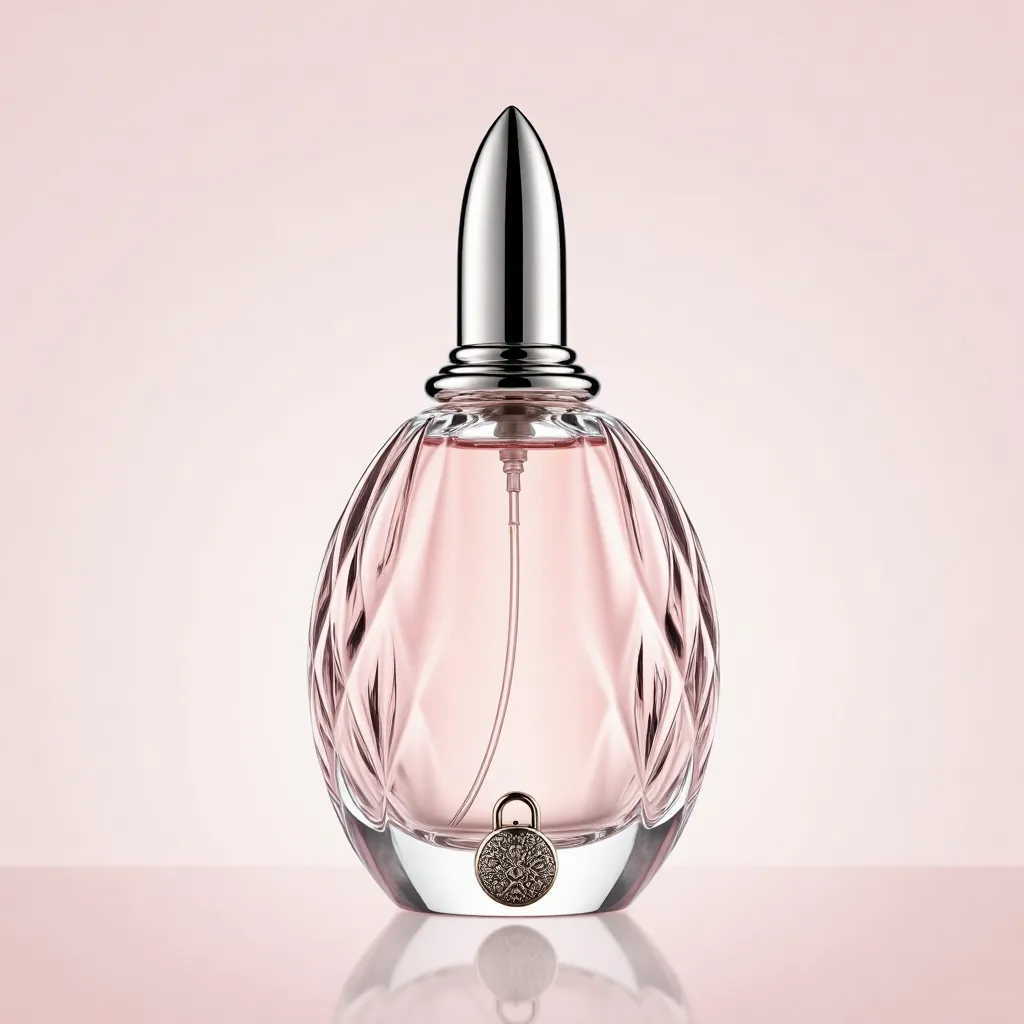
Picture artisans and machines teaming up to turn raw materials into elegant vessels. It’s a blend of old-world skill and modern precision.
- Shaping the Glass Body:
- Molding Basics:
- Pressing: Pour in molten glass, stamp it down – quick for simple cylinders or squares, but walls get thick with visible seams sometimes.
- Blowing:
- By hand: Craftspeople breathe life into unique, artsy forms for limited runs. Expensive, each one’s a snowflake.
- By machine: Robots handle the heavy lifting for mass production, keeping things uniform and complex-ish. The everyday champ.
- Cutting/engraving: Slice into crystal for that light-dancing sparkle, done by hand or tech wizards.
- Fire polishing: A quick flame kiss to smooth out rough edges like the mouth.
- Molding Basics:
- Finishing Touches on the Surface:
- Spraying: Layer on paints for colors, gradients, shimmer, or grippy rubber; top with UV for shine and toughness.
- Plating: Dip metals or plastics in electro baths (chrome, gold) or go green with vacuum PVD for that metallic glow.
- Printing/stamping: Screen logos or hot-foil gold/silver for a ritzy print that pops.
- Frosting/etching: Acid baths for matte textures or intricate designs.
- Laser work: Zap in permanent codes or art on glass/metal with pinpoint accuracy.
- Putting Together Caps and Sprayers:
- Injection: Squirt plastic into molds for shells and bits.
- Die-casting: Melt and mold zinc for sturdy lids.
- Assembly: Snap in springs, balls, seals, valves, and tubes – automation makes it seamless and reliable.
THREE: The Tech That Powers It All
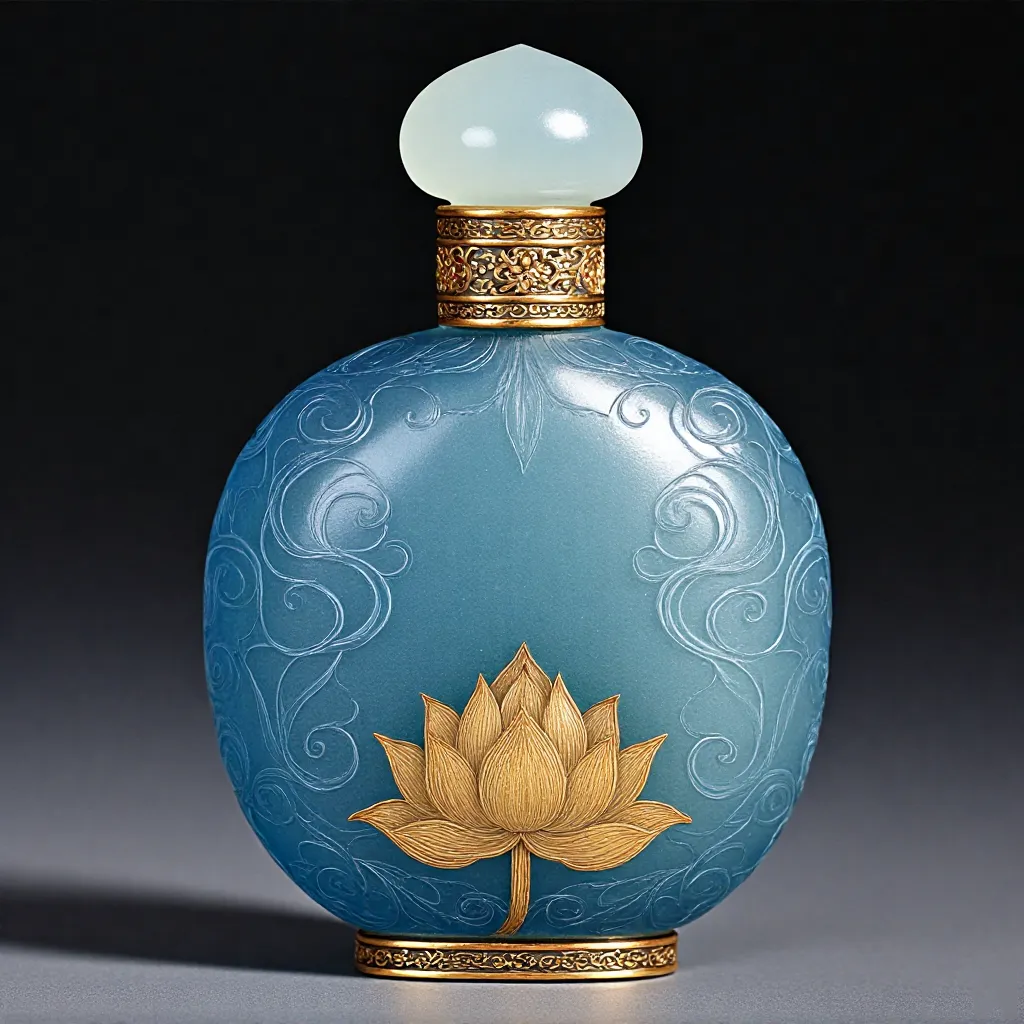
Behind the beauty lies cutting-edge tech keeping things smooth, green, and flawless.
- Mold Mastery: Super-accurate molds are the unsung heroes for perfect glass, plastics, and metals – durable and easy to pop out.
- Automation and Checks: Speedy machines form, coat, and assemble; smart cameras spot flaws like bubbles or cracks in real-time.
- Green Finishes: Swap old plating for PVD, oily paints for water-based to cut pollution and keep the planet happy.
- Sealing Savvy: Rubber rings and valves lock in the scent – no leaks, no evaporation, just perfect sprays. Tested tough against alcohol.
- Filling and Sealing: Robo-lines pour precisely without touching, then cap with exact tightness for freshness.
FOUR: Keeping Quality in Check – The Vigilant Guardians
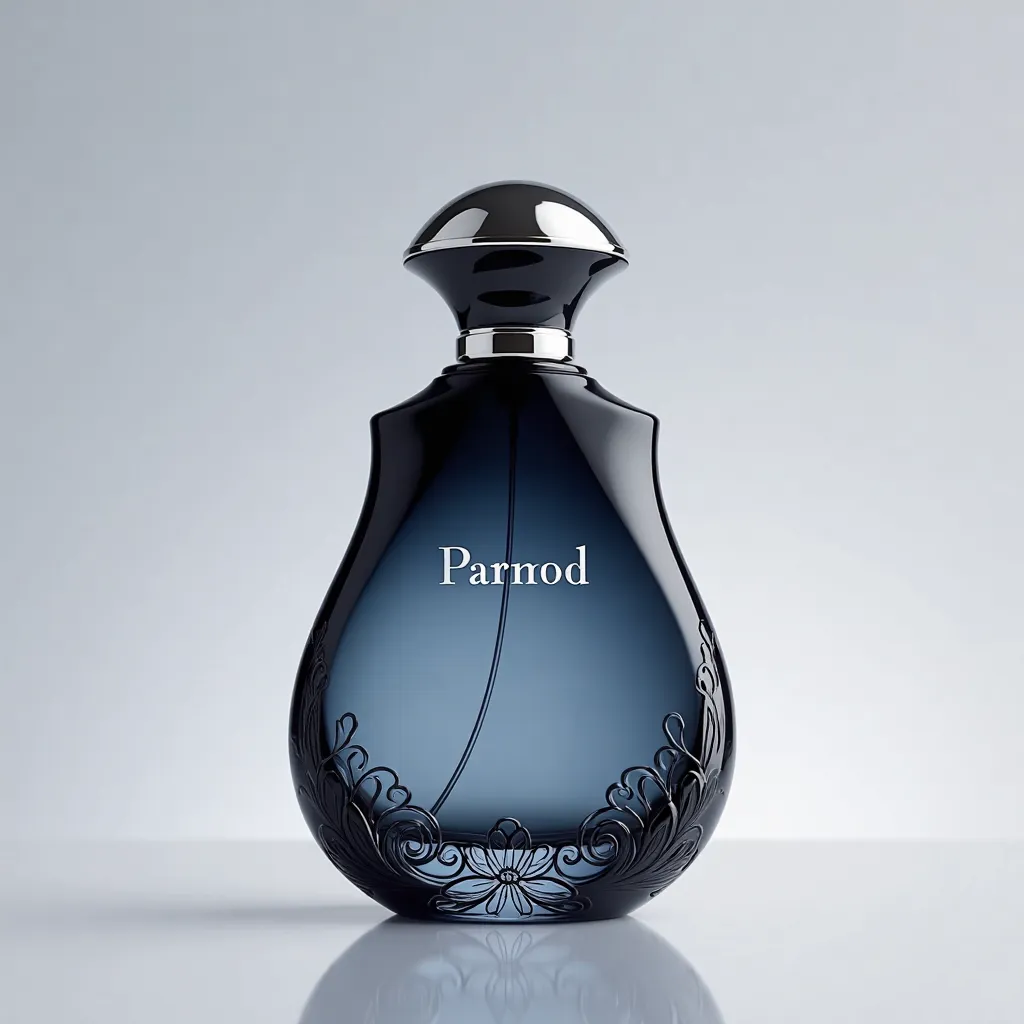
Quality isn’t an afterthought; it’s woven into every step, with inspections galore to ensure perfection.
- Incoming Checks (IQC): Scrutinize raw goods like glass blanks or seals for size, looks, and perfume-proofness.
- During Production (IPQC):
- Glass: Measure even walls, hunt for bubbles or cracks.
- Coatings/Platings: Test stickiness, scratch resistance, color match.
- Prints: Ensure sharp, right-placed designs that last.
- Assembly: Verify sprays mist nicely, seals hold, caps fit just right.
- Final Once-Over (FQC/OQC):
- Looks: Spotless, uniform, pristine.
- Sizes: Exact to the blueprint.
- Performance: Leak-proof under pressure, consistent sprays, long-term scent safety, drop survival, and more.
- Lab Deep Dives: Analyze materials for safety (no heavy metals), sniff for odors, ensure no nasty surprises.

FIVE: Breaking Down the Bucks – What Drives the Price Tag
Costs aren’t straightforward; they’re a puzzle of parts, influenced by choices big and small.
- The Big Pieces:
- Materials (30-60%): Fancy glass or metals jack it up, plus extras like coatings.
- Molds (spread out): Complex ones cost more, especially for small runs.
- Processing (20-50%): Hand-blowing beats machines in price, fancy finishes add layers.
- QC: Tools and tests to catch issues.
- Packing/Shipping: Cushion fragile glass, factor in weight.
- What Sways It?
- Fancy designs or materials inflate.
- Big orders slash per-piece hits.
- Strict standards mean more checks, less waste.
- Where it’s made: Cheaper labor abroad, but shipping adds up.
SIX: Smart Shopping for Bottles – Your Guide to Nailing Procurement
Don’t wing it; here’s how to source like a pro.
- Nail Down What You Want: Draft specs on everything from size to eco-standards, colors to tests.
- Pick Partners Wisely: Check their skills in key areas, quality certs, speed, prices, green creds, and vibe.
- Handle Molds Right: Own them, track designs, maintain well.
- Test and Tweak: Prototype, pilot, inspect first runs, and trial with real perfume.
- Haggle and Seal the Deal: Break down costs, build in flexibility, lock in contracts.
- Watch the Make: Plan checks mid-way and before ship.
- Store and Ship Smart: Protect against breaks, stock wisely.
- Dodge Dangers: Diversify suppliers, guard quality/IP, buffer costs.
Wrapping It Up
Perfume bottles? They’re where creativity meets engineering magic. Glass reigns supreme with ever-clearer, fancier twists; sprayers deliver that wow factor. Mix materials for standout feels, go green for the future, add tech for smarts. Balancing beauty, makeability, quality, and wallet takes teamwork – and a passion for the tiny details that make big impacts.
 English
  Spanish
  French
  German
  Arabic
  Italian
  Dutch
Dutch  Portuguese
  Russian
  Korean
  Japanese