
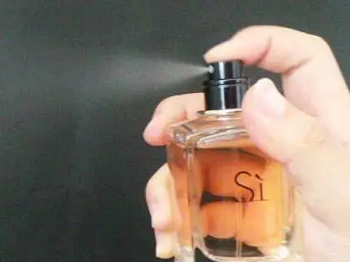
Let’s Dive In:
Think of the perfume pump as the unsung hero in your favorite scent bottle – a tiny powerhouse that makes every spritz feel magical, keeps the fragrance fresh, and elevates the whole brand vibe. We’ll break it down into six key areas: what it is, how it’s built, tech highlights, buying tips, quality checks, and what it costs.
ONE: What Exactly is a Perfume Pump?
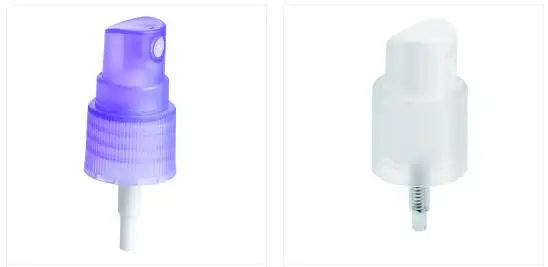
Picture this: a clever gadget tailored for those tricky, boozy (70%-95% alcohol), pricey liquids like perfume. It sits snugly on the bottle neck, and with a simple press, its inner piston, spring, and valves team up to suck up just the right amount and turn it into a dreamy mist.
Why’s it so special? It nails exact doses, seals tight against evaporation and leaks, crafts that perfect fog, feels smooth to press, and looks stylish too.
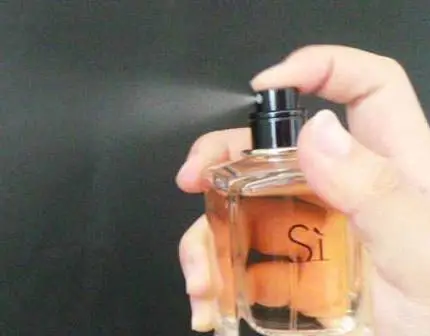
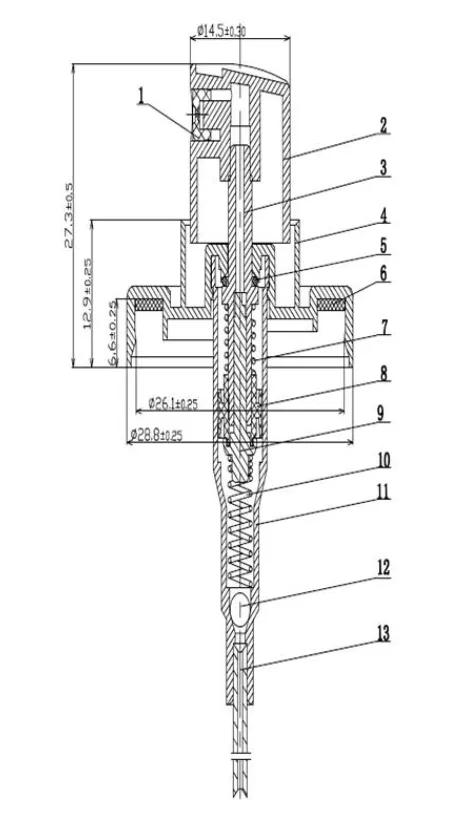
TWO: Breaking Down the Perfume Pump’s Inner Workings
- The Parts You Touch:
- The Actuator or Nozzle: Your fingertip’s best friend, with a super-tiny hole inside that shatters the liquid into mist. Made from plastics like ABS or POM, or fancy metals with gold or chrome plating, and jazzed up with coatings or UV shines.
- Outer Cover or Deco Cap: Shields the pump while showing off – endless materials and finishes make it a brand’s signature style.
- The Heart of the Action:
- Pump Chamber: The main stage where the piston dances. Needs top-notch chemical resistance from stuff like PP or glass, with walls smoother than silk.
- Piston: Slides back and forth to pull and push. Crafted from tough rubber like EPDM or fluororubber, hugging the chamber for a leak-free seal.
- Rod or Stem: Links the top to the piston, channeling liquid and valves. Usually POM plastic or stainless steel.
- Spring: Bounces everything back into place. Super rust-proof stainless (302/304) – its strength tweaks how easy and snappy it feels.
- Ball Valves:
- Inlet: At the tube’s end, lets liquid in but not out. Often inert glass or plastic beads teaming with a seat.
- Outlet: (Sometimes) Inside the piston, blocks air and evaporation when idle, opens on press.
- Valve Seat: Partners with balls for tight seals – durable POM or similar.
- Dip Tube: Dives to the bottle bottom for pickup. PP or PE, cut angled for max suction.
- The Secure Base:
- Gasket: Sits between pump and bottle for airtight vibes. Bouncy EPDM or fluororubber that doesn’t squish forever.
- Lock Ring: Aluminum or plastic clamp that screws or crimps everything solid, squeezing the seal just right.
THREE: The Tech Magic Behind Perfume Pumps
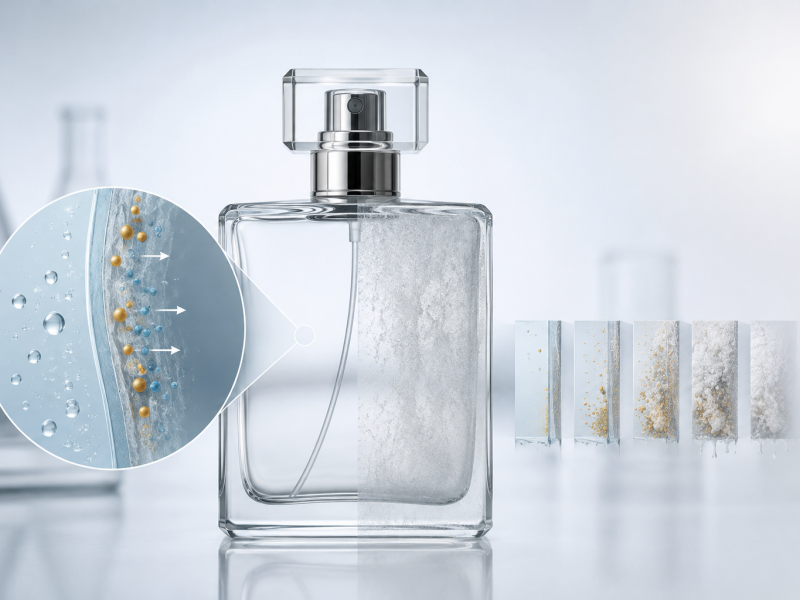
- Material Matchmaking: Every perfume-touching bit has to tough out alcohol, scents, and solvents without bloating, melting, or reacting – for the long haul.
- Sealing Superpowers:
- Still Mode: Gasket locks the bottle shut.
- Moving Parts: Piston glides without leaks, saving that precious aroma.
- Valves: Snap closed to block air and fumes; fluorination adds extra slickness for better grips.
- Mist Mastery: Tiny holes, swirling insides, and pressure create that fine, even spray – think fairy dust, not droplets.
- Dose Precision: Each pump spits out 0.05-0.2ml spot-on, every time, no matter the batch.
- Touch and Feel: Springs and slides tuned for effortless, luxurious presses – like a high-end gadget in your hand.
- Freshness Fortress: What sets it apart: Layers of seals, fancy rubbers, and sometimes gas fills to fight oxidation and keep scents locked in longer.
- Fit and Flow: Sizes and tubes custom-fitted to bottles; doses tuned to the perfume’s thickness.
- Lasting Toughness: No warping, aging, or breakdowns after months on the shelf – pure reliability.
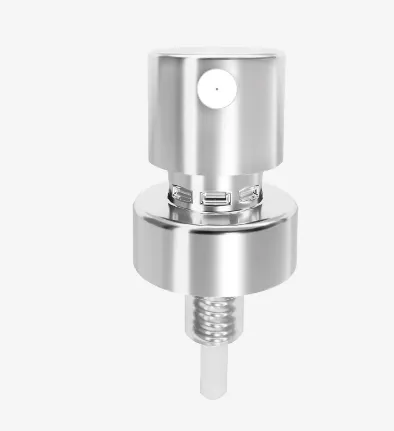
FOUR: Smart Tips for Sourcing Perfume Pumps
- Know Your Needs: Pin down the type – spray size, shape, style, materials, seal strength, bottle fit, and budget.
- Vet Suppliers Like a Pro:
- Track Record: Experts in fancy pumps?
- Tech Setup: R&D, precise molds, auto-lines, seal/atomization testers?
- Quality Stamps: ISO 9001, cosmetics GMP?
- Rule Followers: REACH/RoHS/FDA compliant, with full docs?
- Reliable Flow: Steady stock and shipping?
- Test Those Samples:
- Real-World Trials: Load with your perfume, age it hot and humid for months – watch for changes, stability, function.
- Seal Checks: Weigh for losses, vacuum for leaks, flip upside down.
- Performance Runs: Measure sprays, eye the mist, feel the press, check rebound.
- Build Quality: Spring oomph, sizes, looks (no scratches or bad plates).
- Build Relationships: Gauge how quick they fix issues, customize, and deliver – plus MOQs and timelines.
- Deal Smart: Shop around for value, factoring in hidden risks like quality flops.
FIVE: Keeping Quality on Lock – Control Essentials
- Raw Stuff Scrutiny: Certs, sizes, looks, and tests (rubber’s solvent fight, squish recovery) for all inputs.
- Making It Right:
- Molding Magic: Temp, pressure tweaks for perfect parts – no rough edges or shrinks.
- Clean Assembly: Dust-free zones, auto-tools for even builds; watch piston fits and valves.
- Spring Spot-Checks: Elasticity on the line.
- Quick Tests: Press and see if it works per piece or lot.
- Final Sign-Off:
- Eyeball Everything: Hunt stains, dings, warps – full or sample checks.
- Measure Up: Key fits and heights.
- Deep Dives:
- Spray Math: Weigh multiple pumps for average dose accuracy.
- Seal Stress: Vacuum holds, weight watches, inversion trials.
- Mist Watch: Shape, evenness, no drips.
- Feel Factor: Stroke, force, bounce samples.
- Track It Back: Labels linking to batches, dates, lines for easy recalls.
- Ongoing Watch: Shelf-life tests to catch any slow creeps.
SIX: Decoding the Price Tag of Perfume Pumps
Costs vary wildly by luxury level, fancy designs, picks, volumes, and tech – here’s a rough split:
- Materials Breakdown:
- Plastics (30-40%): Bodies, tops, tubes – fancier chem-proof or colored ups the bill.
- Metals (15-25%): Springs (biggie for quality steel), caps, deco bits with plates.
- Rubbers (10-20%): Seals and pistons – fluoro types cost a bundle over basics.
- Extras (5-10%): Beads, packing.
- Build and Finish (20-35%):
- Molding: Molds, machines, power, hands.
- Extras: Plates, coats, lasers – glam adds green.
- Assembly: Clean rooms, bots or folks.
- Fluoro Boost: Seal upgrade that’s worth it but pricey.
- Quality Guard (5-15%): Testers, inspectors, labs, staff.
- Innovation Amortized (5-15%): Designs, molds spread over units – customs spike this.
- Overhead and More (15-30%): Management, profits, shipping.
What Jacks Up the Tab?
- Premium Picks: Fluoro over EPDM, fancy plastics over cheap, top steel springs.
- Bells and Whistles: Layers of shine, weird shapes.
- Seal Supremacy: Complex builds, tight tests.
- Scale Savings: Buy big for cheap per piece.
- Smart Making: Auto-lines pay off over time.
SEVEN: What’s Next for Perfume Pumps?
- Green Vibes: Recycled stuff, fewer parts, lighter weight.
- Swap-Outs: Refillable inners to cut waste.
- Personal Touches: Wild designs, fresh finishes, brand twists.
- Fresher Forever: Better seals for longer life.
- Tech Twists: Sensors for fakes or tracking – just starting.
Wrapping Up:
Tiny but mighty, the perfume pump blends gears, science, chem, and art into perfume perfection. Getting it right powers better choices for everyone involved.
 English
  Spanish
  French
  German
  Arabic
  Italian
  Dutch
Dutch  Portuguese
  Russian
  Korean
  Japanese