
Navigating the global supply chain for commercial pickle packaging is fraught with hidden risks that can easily cripple a growing food brand. Many procurement managers mistakenly focus solely on negotiating the lowest unit price for glass, completely ignoring the complex chemical and logistical realities of packaging highly acidic, fermented foods. A fraction of a cent saved on a lid liner or shipping pallet can instantly translate into massive vacuum seal failures, mass product recalls, and destroyed retailer relationships. This guide is designed to shift your procurement strategy from price-hunting to risk-elimination, equipping you with the uncompromising standards needed to correctly evaluate the top pickle jar manufacturers in the world.
The Hidden Stakes of Sourcing Pickle Jars: Beyond Just Glass
When sourcing packaging for highly acidic, fermented foods, the worst mistake a B2B buyer can make is assuming that “a jar is simply a jar.” The reality of commercial food manufacturing is far more unforgiving. You are not merely purchasing a glass vessel; you are investing in a critical barrier that dictates your product’s shelf-life, ensures food safety compliance, and ultimately protects your brand from catastrophic product recalls.
Under modern regulatory frameworks, such as the FDA’s Food Safety Modernization Act (FSMA), the liability for packaging failures falls heavily on the brand owner. According to industrial guidelines on packaging migration, the aggressive nature of acidic brine (primarily acetic acid) can rapidly compromise substandard packaging materials. This leads to oxidation, flavor degradation, spoilage, and severe reputational damage. The stakes are incredibly high. A single failed seal doesn’t just mean a ruined pickle; it means a furious consumer, a lost retail partner, and potentially devastating financial liabilities.
“The integrity of a fermented food brand is only as strong as its weakest packaging component. Ignoring the chemical interplay between acidic brine and closure linings is the leading cause of vacuum seal failure in the modern food supply chain.”
Therefore, before you send out a single Request for Quotation (RFQ), you must establish an impenetrable baseline of technical standards. Below, we will break down the exact physics of oxygen transmission, the critical chemistry of lid liners, and the harsh realities of ocean freight palletizing. Armed with this rigorous framework, we will then analyze the top 5 global manufacturers—ensuring your next procurement is built on absolute industrial certainty.
Glass vs. Food-Grade Plastic: Establishing the Material Baseline
The first crucial decision in your sourcing journey is establishing the core material baseline. Procurement managers often find themselves locked in an internal debate: should we stick to traditional glass to maintain premium positioning, or should we switch to plastics to drastically slash shipping weight and freight costs? Making this decision without understanding the underlying physics of food preservation and thermal dynamics is a recipe for disaster.
The Undisputed Reign of Glass Jars for Fermentation
In the realm of commercial fermentation and high-acid food storage, glass remains the undisputed king, and the reasons go far beyond aesthetics. The core metric you must evaluate is the Oxygen Transmission Rate (OTR). OTR measures the amount of oxygen gas that passes through a substance over a given period.
Glass is entirely amorphous, meaning it is 100% non-porous and chemically impermeable. Its OTR is absolute zero. When you seal a batch of pickles in a glass jar, it becomes an impenetrable fortress. The aggressive acetic acid cannot etch or degrade the interior walls, and absolutely no outside oxygen can seep in to promote aerobic bacterial growth. This absolute chemical inertness is what guarantees a multi-year shelf life, ensuring that the flavor profile your chefs perfected in the kitchen is exactly what the consumer tastes two years later.

Food-Grade Plastics: Navigating the Thermal Limitations
While glass is superior for long-term preservation, plastics can reduce shipping weight by up to 40%, significantly lowering freight expenses. However, you must strictly define the boundaries of their application.
Standard commercial PET has a heat resistance limit of approximately 140°F (60°C). If your manufacturing process involves a hot-fill pasteurization phase—where brine is injected at temperatures exceeding 185°F (85°C)—standard PET will instantly warp, deform, and fail. However, do not assume all plastics are restricted to cold-fill processes.
If logistical weight reductions force your hand toward plastic for a hot-fill line, your procurement team must explicitly specify Heat-Set PET or Polypropylene (PP). These advanced polymers are engineered through specialized crystalline structures to withstand pasteurization temperatures up to 205°F without collapsing. Yet, buyers must remain vigilant: even with heat-resistant plastics like PP (which often has a slightly hazier appearance than PET), the Oxygen Transmission Rate (OTR) still cannot rival the absolute impermeability of glass. Your commercial shelf-life expectations and expiration dating must be adjusted accordingly to account for this gradual oxidation.
| Material Type | Oxygen Transmission Rate (OTR) | Max Fill Temperature | Ideal B2B Application |
|---|---|---|---|
| Commercial Glass | Absolute Zero (0%) | 200°F+ (Excellent) | Long-term Retail / Premium Brands |
| Standard PET Plastic | Moderate | ~140°F (Low) | Cold-fill / Rapid turnover logistics |
| Heat-Set PP / PET | Moderate | Up to 205°F (High) | Bulk Food Service (HORECA) / Pails |
The Lid Liner Dilemma: Preventing Vacuum Seal Failure in Acidic Environments
Here is the most critical, yet frequently overlooked, revelation in B2B packaging sourcing: The glass jar almost never fails; it is the metal lid that destroys your product. The majority of procurement teams spend weeks negotiating the price of the glass, only to blindly accept whatever default closure the supplier offers. This negligence is the root cause of mass product recalls.
Plastisol Liners: The Hot-Fill vs. Cold-Fill Calculation
The secret to a perfect, tamper-evident vacuum seal—the one that produces that satisfying acoustic “pop” when a consumer opens it—lies in the gasket compound applied to the inside of the metal lid. Specifically, this is the Plastisol liner. Plastisol is a PVC-based suspension that, when heated and subsequently cooled, cures into a solid, rubber-like hermetic seal. But not all Plastisol formulations are created equal.
Using a standard cold-fill liner for a hot-fill pickle process (typically around 185°F to 190°F) is a catastrophic error. The intense heat will over-soften or melt the standard liner. When the jar cools and the vacuum attempts to form, the compromised liner will warp, allowing micro-channels of air to enter.
The mathematical reality of this oversight is brutal: Erroneously utilizing standard cold-fill liners for hot acidic liquids routinely results in a 10% to 15% shelf-life leakage rate. In stark contrast, specifically demanding High-Heat / Pasteurization-Grade Plastisol liners ensures the compound withstands the thermal shock, creating a flawless hermetic seal that drops the defect and return rate to below 0.1%. Saving a fraction of a cent on a cheaper liner can literally obliterate your profit margins through mass spoilage.
Mating Constraints: Lug Caps vs. Continuous Thread (CT) Closures
Beyond the chemical makeup of the liner, you must respect the physical mating constraints of industrial manufacturing. You cannot select a closure in isolation from the glass mold.
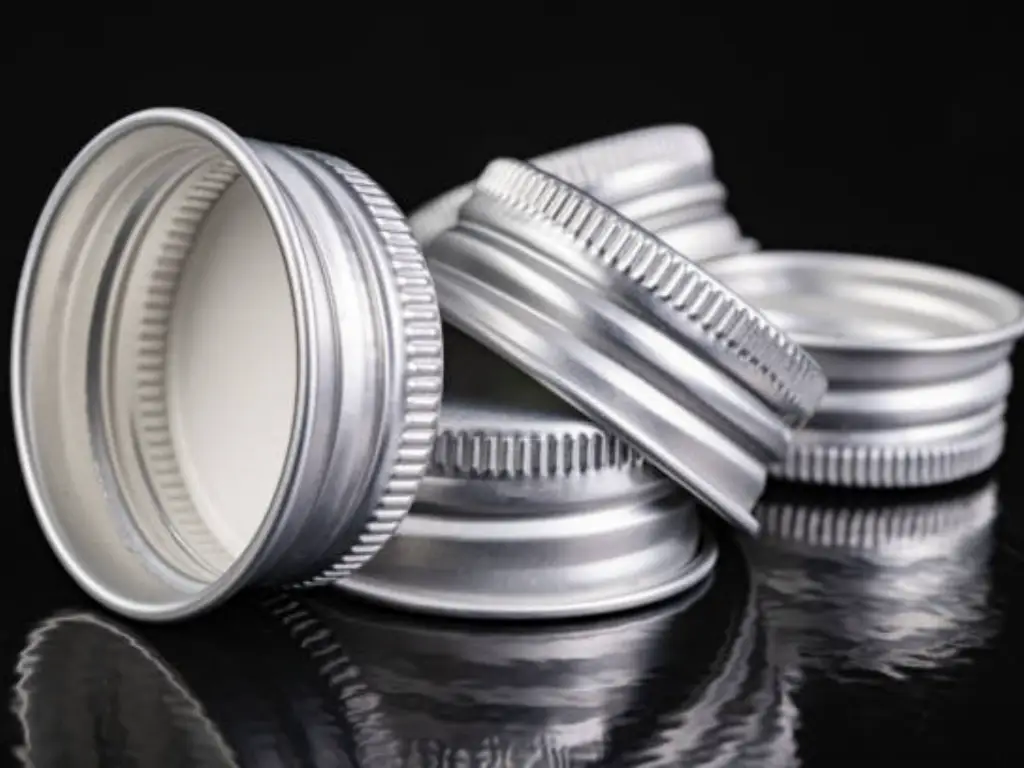
For hot-filled acidic foods, Lug Caps (Twist-Off closures) are the industry standard, offering superior vacuum retention. However, a Lug Cap must mechanically interlock with a specific glass thread design. If you specify a Lug Cap, your RFQ must explicitly demand a matching Twist-Off (TO) Neck Finish blueprint (such as the standard TO-82 specification). Conversely, if you opt for Continuous Thread (CT) closures, the glass must feature a GPI standard thread (like GPI 400-70). Attempting to force a mismatched cap onto a generic thread will result in skewed closures, immediate vacuum failure, and completely unmarketable inventory.
Commercial Capacities: Retail Sizing vs. Food Service Solutions
With the technical baseline secured, the next standard to establish is matching physical capacity to your specific commercial distribution channels. The packaging requirements for a grocery store aisle are fundamentally different from the chaotic environment of a commercial kitchen.
Retail and Warehouse Club Sizing (16oz to 1 Gallon Glass)
For Direct-to-Consumer (DTC) or traditional retail environments, glass capacities range from standard 16oz jars up to 1-Gallon wide-mouth formats. The wide-mouth design (typically a 70G or 82G neck finish) is absolutely non-negotiable for pickles, allowing for easy mechanical or manual packing of whole cucumbers without bruising the produce.
It is crucial to note that the 1-Gallon glass jar is the absolute maximum threshold for retail applications, specifically targeted at Warehouse Clubs (like Costco or Sam’s Club). At this size, the visual appeal of the glass maximizes shelf-presence, driving consumer impulse purchases based on the visible quality of the brine, spices, and suspended ingredients.
Bulk Food Service (HORECA): The Shift to HDPE Pails
When transitioning from retail to B2B Food Service—supplying restaurants, hotels, and catering (HORECA)—you must aggressively pivot your sourcing strategy. Do not source large-capacity glass for commercial kitchens.
A 1-gallon or 2-gallon glass jar filled with liquid brine weighs upwards of 10 to 15 pounds. In a fast-paced, wet, and high-stress commercial kitchen, dropping a massive glass vessel is not just an inconvenience; it is a severe industrial hazard. Shattered glass mixed with food constitutes a catastrophic safety violation resulting in the immediate disposal of surrounding ingredients and potential worker injury.
For Food Service, your standard must shift to Food-Grade HDPE Plastic Pails (Buckets). These must be equipped with secure wire handles and Tamper-Evident tear-tab lids. This eliminates breakage risks, ensures stackability in walk-in coolers, and provides the ergonomic safety required by modern commercial culinary staff.
Defeating the “Invisible Tax”: Logistics, Shipping, and Supply Chain Traps
The final baseline standard addresses the most terrifying aspects of international B2B procurement: ocean freight logistics and contract negotiations. The quoted FOB (Free on Board) price of your jars means nothing if half of your inventory arrives shattered, or if you are completely blindsided by manufacturing delays. We call this the “Invisible Tax” of poor sourcing.
Palletizing Standards to Eliminate Cross-Contamination
When calculating the Total Cost of Ownership (TCO), amateur buyers worry about the cost of a few broken glass jars. Veteran procurement officers fear something much worse: Cross-Contamination and the Domino Effect.
If substandard packaging allows just one jar to shatter inside a shipping container, the highly acidic, salty brine will leak out. This acidic liquid quickly soaks into the surrounding corrugated cardboard boxes. Within hours, the cardboard loses its structural integrity. If this happens at the bottom of a pallet, the entire stack will collapse under its own weight during the pitch and roll of ocean transit.
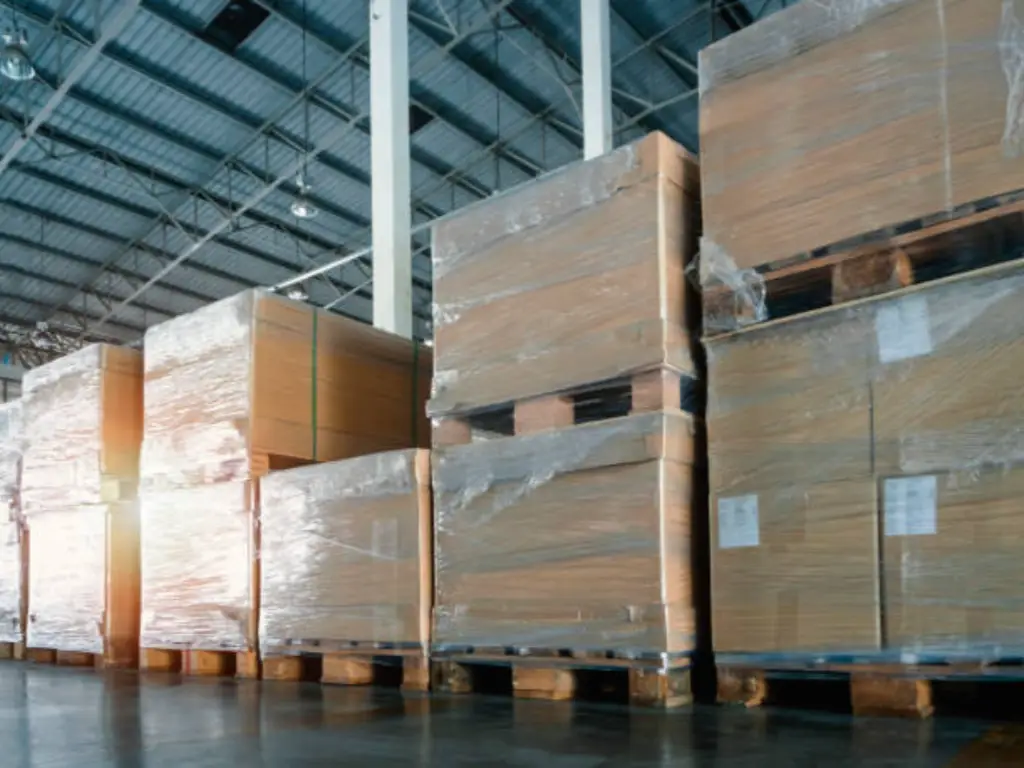
A single broken jar can lead to a collapsed pallet, triggering immediate rejection of the entire container by customs inspectors or your final receiving warehouse. To defeat this, your supplier agreement must mandate rigorous palletizing standards: 5-ply corrugated dividers between layers, heavy-duty industrial heat shrink wrap enveloping the entire load, and ISPM-15 certified fumigated wooden pallets (to prevent customs impoundment due to pest control regulations).
Navigating MOQs and Manufacturing Lead Times
Supply chain traps extend beyond physical shipping into the realm of contract terms. Understanding manufacturing rhythms is crucial. Top-tier source factories will typically demand a Minimum Order Quantity (MOQ) equivalent to a 20-foot container (20GP) to justify starting a production run.
Furthermore, if your brand requires custom embossing (like a raised logo on the glass) or a proprietary jar shape, you must factor in the “tooling tax.” Developing a new mold requires an additional 25 to 30 days for engineering, sampling, and validation before mass production even begins. Smart buyers mitigate this by seeking factories with massive inventories of existing private molds, bypassing the tooling lead time entirely.
Top 5 Pickle Jar Suppliers: From Global Giants to Agile Source Factories
You now possess a ruthless, technically sound evaluation framework. You understand the necessity of OTR, the critical mathematics of High-Heat Plastisol liners, the strict physical constraints of TO neck finishes, and the non-negotiable demands of palletizing and supply chain planning.
With these standards firmly established, we have evaluated the global supply chain to present the Top 5 manufacturers. We do not rank these companies in a vacuum; rather, they represent the absolute best-in-class options across different commercial tiers—from multinational conglomerates handling enterprise-level volume to agile source factories offering high-volume economic efficiency.
1. O-I Glass, Inc. (Owens-Illinois)
Location: Perrysburg, Ohio, USA (Global network)
Scale: Multinational Giant
Core Business: 100% recyclable food-grade glass containers, beverage & spirits packaging.
Company Profile: Founded in 1903, O-I Glass is the undisputed global heavyweight in rigid glass packaging. They provide ultra-durable, rigorously FDA-compliant glass containers engineered for maximum thermal shock resistance. Their manufacturing tolerances are legendary, ensuring every single jar rolling off the line meets microscopic dimensional accuracy.
Suitability for Pickle Products: Extremely High (Retail/Supermarket). Their wide-mouth glass production lines perfectly support high-temperature pasteurization environments without suffering micro-fractures, making them ideal for high-volume, automated hot-fill lines.
Pros & Cons:
Pros (+): The absolute pinnacle of E-E-A-T (Experience, Expertise, Authoritativeness, and Trustworthiness) and unmatched global supply chain stability.
Cons (-): Prohibitively high Minimum Order Quantities (MOQs), structured almost exclusively for massive, enterprise-level national brands.
Source & Disclaimer: Scale and operational data derived from public corporate filings (2024-2025). This assessment is an independent B2B evaluation and does not constitute a direct endorsement.
2. Ardagh Group
Location: Luxembourg (Focus on Europe & North America)
Scale: Multinational Giant (Revenues exceeding $9 Billion)
Core Business: Glass and metal packaging, food jars, custom bottle engineering.
Company Profile: A dominating presence in the European and North American markets, Ardagh Group specializes in highly complex sealing systems. Unlike suppliers who merely melt glass, Ardagh engineers comprehensive packaging ecosystems, focusing heavily on sustainability and endless recyclability.
Suitability for Pickle Products: Exceptional. They possess profound, specialized expertise in exactly the issues we’ve discussed: perfectly matching specific jar neck finishes with the exact acid-resistant, Plastisol-lined metal closures required to maintain absolute vacuum integrity for fermented foods.
Pros & Cons:
Pros (+): Elite custom design capabilities and a remarkably strong ESG narrative for eco-conscious brands.
Cons (-): Premium manufacturing base costs and notably longer lead times for custom mold development in their western facilities.
Source & Disclaimer: ESG narratives and revenue figures reflect recent corporate disclosures. Capability assessments are based on independent industry analysis.
3. Verallia
Location: Courbevoie, France
Scale: European Market Leader (3rd largest globally)
Core Business: Food jars, wine/spirits bottles, advanced lightweighting technology.
Company Profile: Dominating Europe and Latin America, Verallia’s crown jewel in the industrial sector is their “ECOVA” lightweight glass series. Through advanced glass distribution and thermal engineering, they manage to significantly thin the walls of their containers without sacrificing mechanical strength or burst pressure limits.
Suitability for Pickle Products: Highly Strategic. Their technology is crucial for heavy, bulk wide-mouth pickle jars. By reducing the base weight of the glass itself, they exponentially cut down ocean and rail freight costs for the buyer, directly addressing the “Invisible Tax” of heavy logistics.
Pros & Cons:
Pros (+): Industry-leading lightweighting technology that aggressively protects your logistical profit margins.
Cons (-): A weaker direct manufacturing footprint in Asia, meaning buyers in the East may face higher baseline shipping costs to import these containers.
Source & Disclaimer: “ECOVA” technical specifications and market positioning are based on the company’s official publications. Market share data is subject to regional fluctuations.
4. Daxin Glass
Location: Xuzhou, Jiangsu, China
Scale: Large B2B Source Manufacturer (Over 30 years experience)
Core Business: Wide-mouth Mason/Pickle jars, High Flint Glass, OEM/ODM closures.
Company Profile: Established in 1987 in Xuzhou—a major global glass manufacturing hub—Daxin Glass represents the pinnacle of agile, high-quality Asian source manufacturing. Rather than pushing unnecessarily expensive materials, they focus on highly efficient “Standard Flint Glass” (High Flint) mass production capabilities. In the low-margin, high-volume pickle sector, Daxin understands true B2B cost-control and unit economics.
Suitability for Pickle Products: Highly Economical & Integrated. Daxin offers a massive “zero-tooling cost advantage” through their inventory of over 5,000 ready-made private molds. Furthermore, they solve the “Lid Dilemma” by acting as a true one-stop shop, matching their highly economical glass jars with the precise acid-resistant, high-heat capable closures your process requires.
Pros & Cons:
Pros (+): Unbeatable economic feasibility for high-volume runs, massive zero-cost mold inventory, and flexible MOQs perfect for emerging mid-market brands.
Cons (-): Sourcing directly from Asia requires Western buyers to account for a 30+ day ocean transit time and necessitates precise, upfront contract agreements regarding 5-ply palletizing standards.
Source & Disclaimer: Manufacturing capabilities, zero-tooling advantages, and MOQ flexibility are generalized from standard Asian B2B trading terms and verified factory profiles. Actual terms may vary by contract.
5. Berlin Packaging
Location: Chicago, Illinois, USA
Scale: Global Hybrid Packaging Supplier ($2.6 Billion+ revenue)
Core Business: Hybrid solutions (Glass, PET, HDPE), end-to-end supply chain logistics.
Company Profile: Rather than operating as a single factory, Berlin Packaging is a massive “Hybrid Supplier” that aggregates global manufacturing power. They operate as an extension of your procurement team, providing unbiased, cross-material consulting and leveraging their immense buying power to secure priority production runs across various global facilities.
Suitability for Pickle Products: The Ultimate Problem Solvers. Whether a brand needs millions of 16oz glass jars for a retail push, or immediately requires a steady supply of 1-Gallon Heat-Set PP or HDPE pails with tamper-evident lids for a HORECA rollout, Berlin possesses the regulatory compliance expertise and the ready-to-ship inventory to execute.
Pros & Cons:
Pros (+): Unmatched cross-material breadth and elite regulatory consulting; they act as a buffer against global supply chain shocks.
Cons (-): Because they serve as a highly integrated, value-added logistics hub, their baseline unit prices will naturally run slightly higher than negotiating directly with a source factory.
Source & Disclaimer: Revenue metrics and hybrid supply capabilities are based on recent commercial data and public relations releases. Pricing comparisons are relative industry estimates.
The Final Sourcing Checklist for B2B Buyers
Knowledge without execution is useless. Now that you understand the severe implications of OTR, the critical mathematics of Plastisol liners, and the devastating potential of pallet cross-contamination, you are ready to engage the market.
Leverage this checklist during your RFQ phase to immediately filter out amateur trading companies. When you prepare your next inquiry to any of the manufacturers listed above, demand absolute accountability. Copy and paste these five ultimate sourcing questions:
- Neck Finish Verification: “Please provide the exact engineering blueprints for the glass neck finish (e.g., TO-82 or GPI) to ensure 100% mechanical compatibility with our closure systems.”
- Liner Thermal Certification: “Can you provide documented proof that the Plastisol liners supplied in your metal closures are rated for High-Heat/Pasteurization temperatures exceeding 185°F without deformation?”
- Acid Resistance & Migration: “Do your metal closures feature industrial-grade inner enamel coatings specifically designed to resist continuous exposure to acetic acid according to FDA migration standards?”
- HORECA & Heat-Set Plastic Alternatives: “For our commercial food-service lines, can you supply food-grade HDPE pails with tamper-evident tear-tab lids, or Heat-Set PP containers capable of withstanding 205°F hot-fills?”
- Logistical Protection & ISPM-15: “Will you contractually agree to our strict ocean freight palletizing standards, including 5-ply corrugated dividers, full heat shrink wrapping, and ISPM-15 certified fumigated wooden pallets to prevent customs delays?”


 English
  Spanish
  French
  German
  Arabic
  Italian
  Dutch
Dutch  Portuguese
  Russian
  Korean
  Japanese