
Introduction
In the crowded cosmetic industry, your skincare packaging design is likely to be the first impression of your product, and in some cases, the only chance. Not only a pretty face, good cosmetic packaging is an extension of your brand, communicates to your audience in terms of values (sustainability, functionality, etc.), and is eye-catching on shelves and social media feeds. This guide will demonstrate how to make packaging a strategic asset in the cosmetic industry, whether it is the material used, such as glass bottles, or trend-driven visuals that can connect.
What Is Skincare Packaging Design?
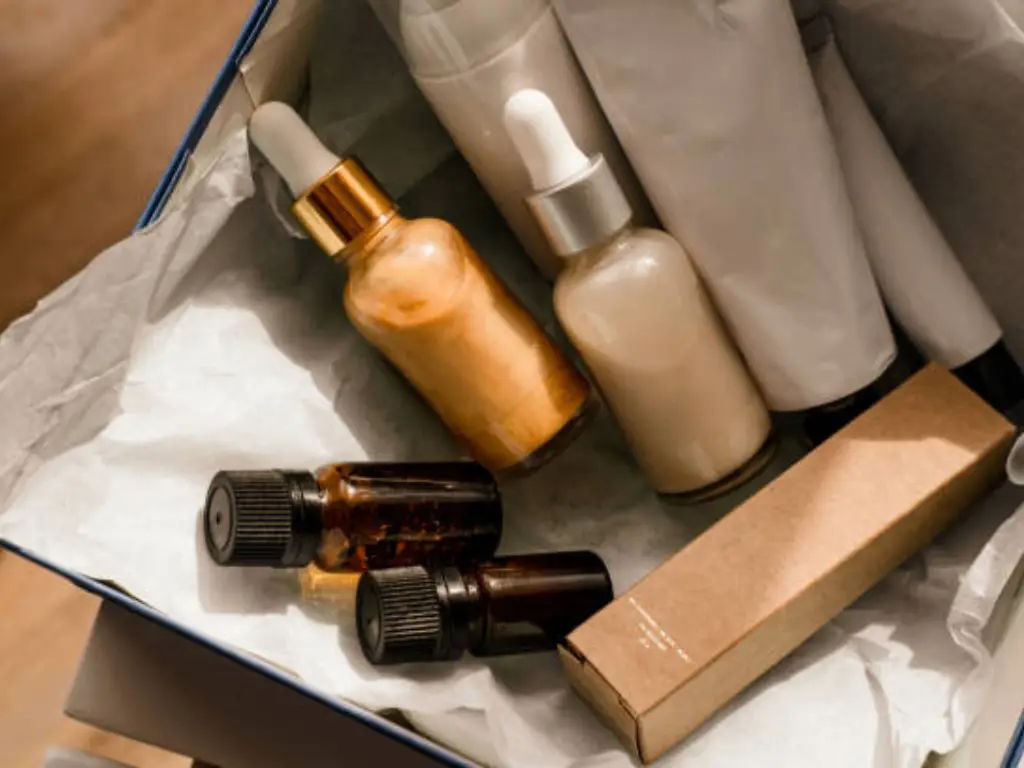
| Category | Elements | Purpose / Function |
| Container Types | Jars, Tubes, Pumps, Bottles | Holds the skincare product; affects dosing precision, hygiene, portability, and aesthetic appeal |
| Materials | Glass, Plastic (PET, PP), Aluminum, Acrylic, Paper-based, Recycled Materials | Influences sustainability, durability, cost, feel, recyclability, and compatibility with formulas |
| Closures & Caps | Flip-tops, Droppers, Screw Caps, Airless Pumps, Magnetic Lids | Ensures secure sealing, product protection, and convenience of use |
| Secondary Packaging | Cartons, Boxes, Pouches, Sleeves | Adds branding space, enhances shelf impact, offers protection during shipping, supports storytelling |
| Visual Elements | Color Palette, Typography, Graphics, Icons, Logo Placement | Communicates brand identity, emotional appeal, and product positioning |
| Labeling | Ingredient Lists, Product Name, Usage Instructions, Certifications | Provides essential information, builds trust, complies with legal standards |
| User Experience | Ergonomics, Opening Mechanism, Texture, One-handed Use | Impacts ease of use, accessibility, and repeat usage comfort |
| Structural Design | Dielines, Form Factor, Internal Compartments | Defines physical shape, stacking ability, and protection of internal contents |
| Functional Features | Refill Mechanisms, Locking Systems, Dosage Control | Enhances usability, promotes sustainability, reduces waste and overuse |
| Sustainability Features | Recyclable Materials, Compostable Packs, Minimalist Packaging | Aligns with eco-conscious consumers, reduces environmental impact, meets regulatory trends |
| Tactile & Sensory | Matte/Gloss Finish, Embossing, Scented Paper | Improves perceived value, creates a memorable unboxing experience |
Skincare packaging design refers to the deliberate design and development of all physical and visual elements that present a skincare product. This is not only the outer box, but also containers such as jars, tubes, pumps, and the structural packaging layout. It is a combination of visual narrative and applied engineering. Whether it is a silky glass jar that screams luxury or a lightweight PET bottle that is ideal to carry around, every detail tells about the promise of the product and the identity of your brand.
However, it goes beyond aesthetics. Packaging also needs to deliver on a specific purpose and what a user experiences. Is it easy to open the package? Hygienic for repeat use? Can it withstand the heat from a delivery van without melting or leaking? Packaging such as glass and aluminum or even paper-based pouches have their own durability, cost, and environmental concerns. Then, there is the visual portion: typography and colours along with icons and illustrations for your packaging design language. Emotional impact and customer retention, along with beauty and functionality, creates a successful design which allows for enduring social media exposure from users.
Key Skincare Packaging Styles
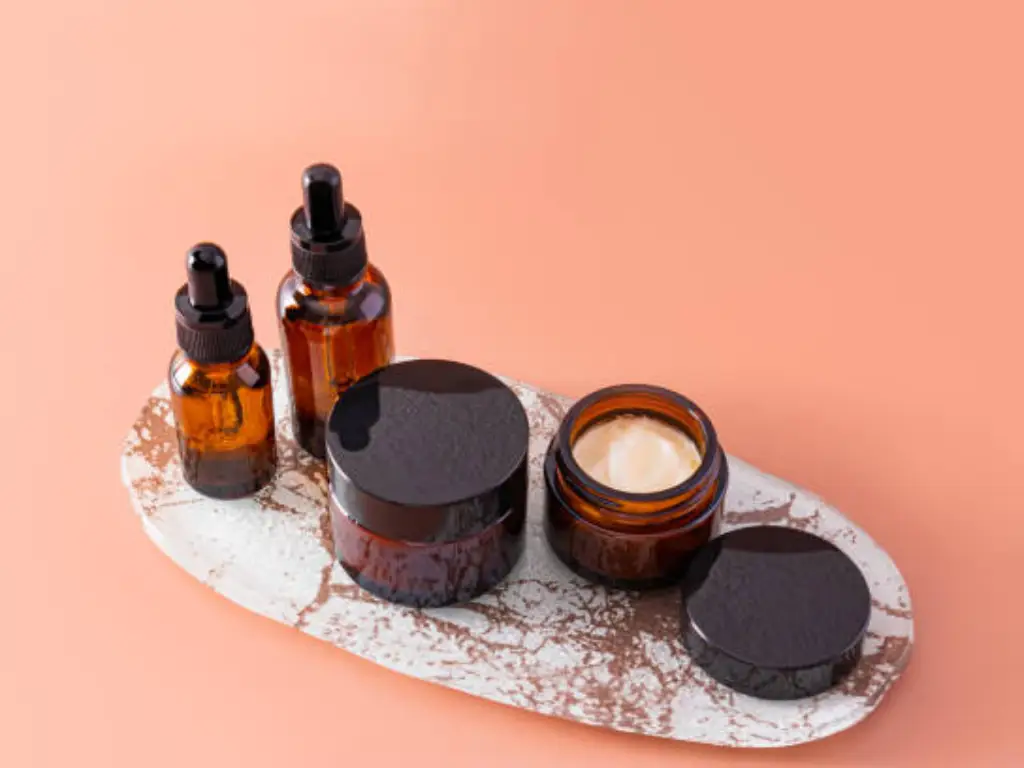
The packaging style of skincare products is not merely an aesthetic decision, but a strong indicator of brand positioning, consumer values and market segment. No matter whether you are aiming at eco-friendly millennials, clinical minimalists, or luxury buyers, your packaging design must communicate the correct visual message. We deconstruct five major skincare packaging styles that prevail in the cosmetic product and beauty packaging market below.
Minimalist (Clean. Quiet. Confident.)
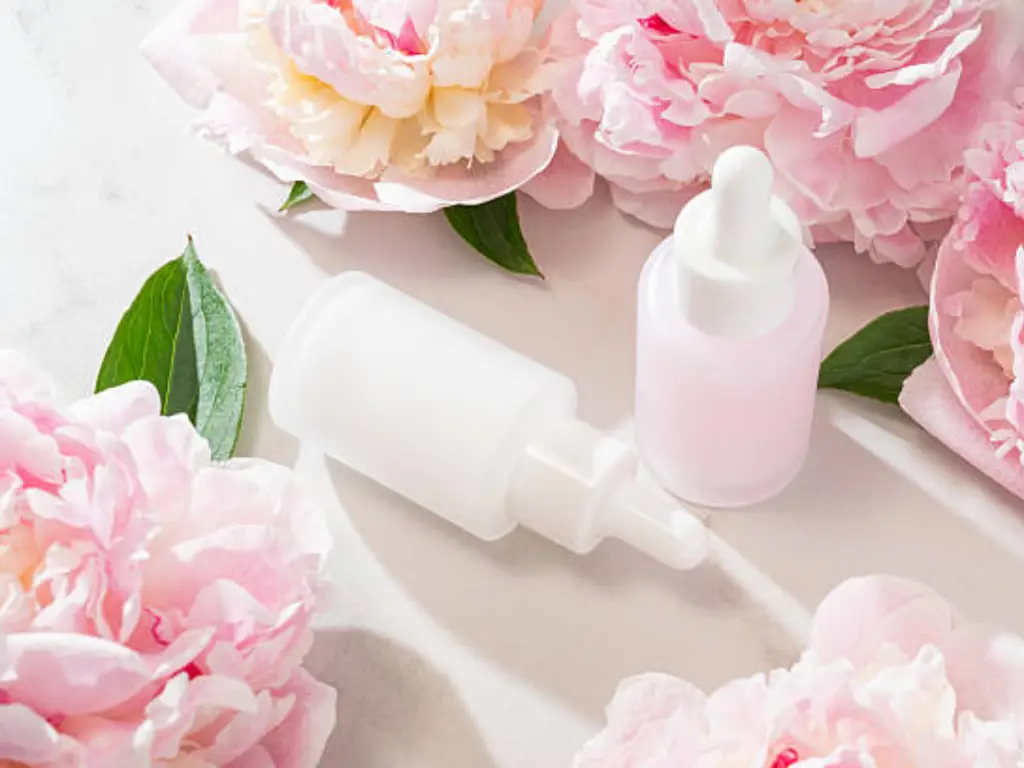
Minimalist skincare packaging is simple and easy to see. It employs a limited color scheme, usually white, black, beige or grey, with plenty of white space, thin lines, and sans-serif fonts. The layouts tend to be grid-like, with good spacing and little ornamentation.
The style is targeted at a high-end, design-savvy audience that prefers clarity and elegance to noise. It brings about the sense of openness, modernity, and sophistication. This style is represented by such brands as Glossier and Muji with a silent power.
Best For: Modern, unisex, or transparency-driven brands
Visual Assets: Neutral colors, clean labels, matte finishes, minimalist icons
Organic / Natural (Earthy. Honest. Eco-friendly.)

The organic packaging design focuses on the sense of connection to nature, which can be achieved with the help of sustainable materials, matte finish, and botanical drawings. Colours are more earthy such as sage green, clay, terracotta, and dull browns. Labels can have hand-written fonts, raw textures and paper materials.
This look is trendy in clean beauty and wellness communities, where authenticity and sustainability are just as important as performance. Packaging is included in the value proposition- less refined, more truthful.
Best For: Natural skincare, botanical products, or eco-conscious brands
Visual Assets: Kraft paper, recycled cardboard, minimal plastic, botanical sketches
Clinical / Pharmaceutical (Precise. Scientific. Trustworthy.)
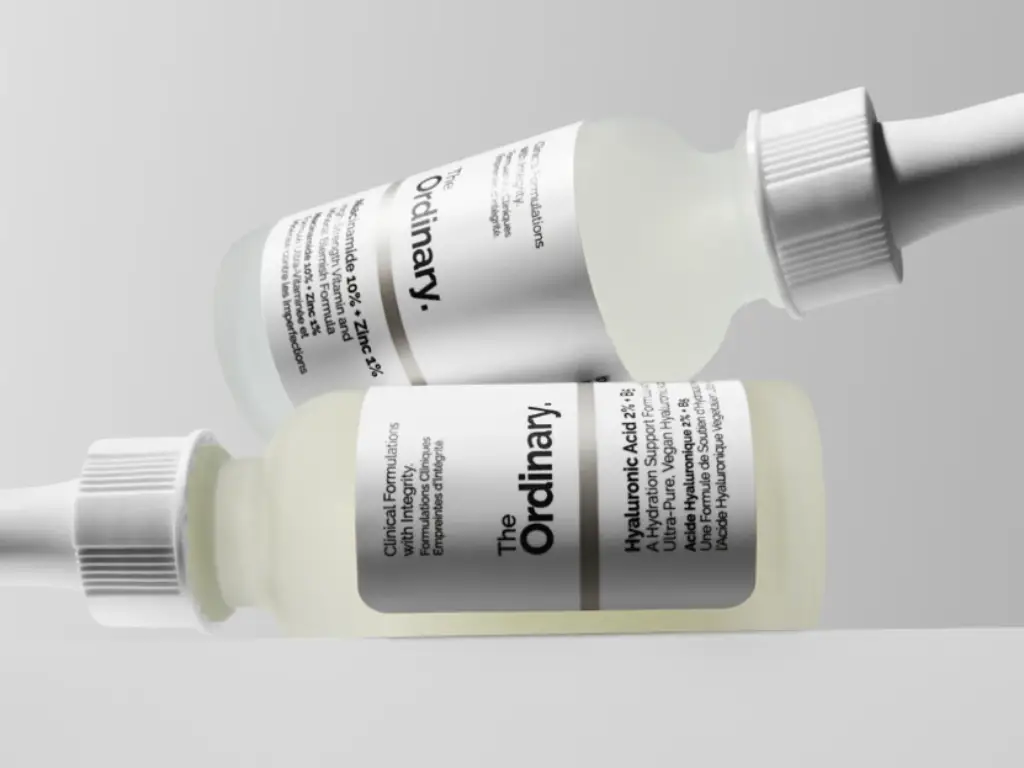
Clinical packaging is driven by the medical world, which is all about communication and structure. White backgrounds, black or grayscale text, batch numbers, and functional formats, such as droppers or airless pumps, are common. Design is hierarchical in such a way that users can easily recognize the product function, ingredients, and instructions.
The Ordinary is one of the brands that have turned this style into an iconic one, removing the marketing noise and paying attention to the content. It is authoritative and no-nonsense effective and tends to appeal to skincare-savvy users who prefer ingredients to frills.
Best For: Dermatologist-backed brands, treatment-focused products
Visual Assets: Lab-style fonts, numbered SKUs, pharmaceutical containers, monochrome tones
Luxury (Elegant. Sophisticated. Indulgent.)
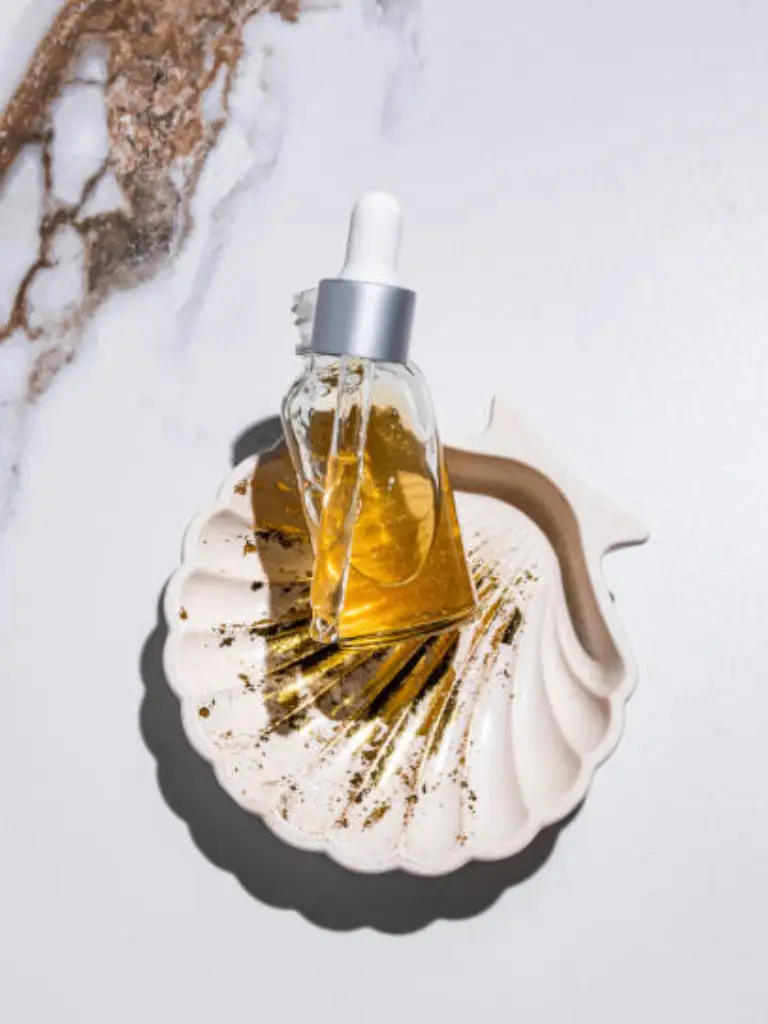
The luxury packaging of skincare is all about the richness of senses and the prestige of touch. Metallic foils, rich jewel colors, shiny surfaces, and embossed logos are to be expected. The use of heavier glass containers, magnetic closures, and gold-accented parts adds to the impression of high quality.
This is an emotional style, desire, indulgence, exclusivity. All the details, such as the weight of the jar or the soft-click of a closure, are selected to be premium. It turns habit into ceremony.
Best For: High-end skincare, anti-aging lines, prestige brands
Visual Assets: Gold/silver accents, velvet-touch boxes, frosted glass, custom molds
Artisanal / Indie (Handmade. Intimate. Unique.)
Artisanal packaging is characterized by the human touch. Consider hand-drawn illustrations, natural paper textures, small-batch printing, and unusual, uneven layouts. Labels can be hand-applied or have limited-edition art. This style is commonly employed by indie brands and implies care, craft, and creativity.
It targets consumers that appreciate individuality and narration. It is more probable that these designs will differ depending on the product, which adds to the impression of handmade or curated exclusivity.
Best For: Indie startups, limited editions, DIY-inspired brands Visual Assets: Handwritten fonts, artisanal papers, stamped logos, asymmetrical designs
Skincare Packaging Trends for 2025
In 2025, it is all about smart, sustainable, and social-first skincare packaging design. To begin with, sustainability is not a buzzword, but an expectation. Refillable bottles, recycled PET bottles, biodegradable pouches, and long-lasting packaging materials such as bamboo or aluminum are taking over the product development discourse. Consumers are listening to waste—and brands that are making genuine efforts to be eco-friendly in cosmetics packaging design are gaining not only loyalty but also market share.
Next: interactive packaging. Think of using your phone to scan your product and receive a tutorial or skin analysis through AR. It is no longer sci-fi—it is here. There is also the increasing popularity of innovative packaging design that activates the senses—such as textured finishes, fragrance-infused wraps, and even clicky caps that are meant to make unboxing more enjoyable. Talking about unboxing, your packaging should be camera-ready. It implies daring design, sophisticated layout, and customization that will make it worth sharing. Brands are also printing the names of customers or skin-type labels on the packaging. It is all about making products experiences—experiences that are personal, engaging, and irresistible to share.
How to Build Brand-Centric Skincare Packaging
To establish the effective work on the packaging design, it is advised to consider all design choices depending on your brand. This is how to go about constructing packaging, not only so it looks good, but so it handles and smells and feels like your brand in every respect:
| Step | Action | Key Considerations | Examples & Applications |
| Step 1 | Define Your Brand Tone | Determine if the brand is luxurious, eco-friendly, youthful, or clinical | Glass bottles = premium/luxury feel Paper pouches = artisanal and eco-conscious Metallic finishes = high-performance or high-end products |
| Step 2 | Understand Your Audience’s Visual Preferences | Know your target customer’s style and values | Bright colors & playful fonts = young, trendy users Soft tones & subtle graphics = eco-conscious consumers Clean, sterile layouts = clinical & science-savvy buyers |
| Step 3 | Build a Brand Visual Toolkit | Create a cohesive and recognizable visual identity | Consistent color palette Branded typography and icon style Custom illustrations or patterns for added texture and emotion |
| Step 4 | Choose the Right Structure & Materials | Select forms that align with brand story and functionality | Droppers = clinical precision Airless pumps = hygienic and modern Recycled PET or aluminum = sustainability focus Tactility = smooth, matte, textured, etc. |
| Step 5 | Integrate Storytelling into the Packaging | Use every layer to build connection and tell a story | Taglines or product rituals printed on the packaging Cards with founder story or values QR codes leading to behind-the-scenes, AR tutorials, or user community |
Materials, Structure & Functionality (Visual Comparison Recommended)
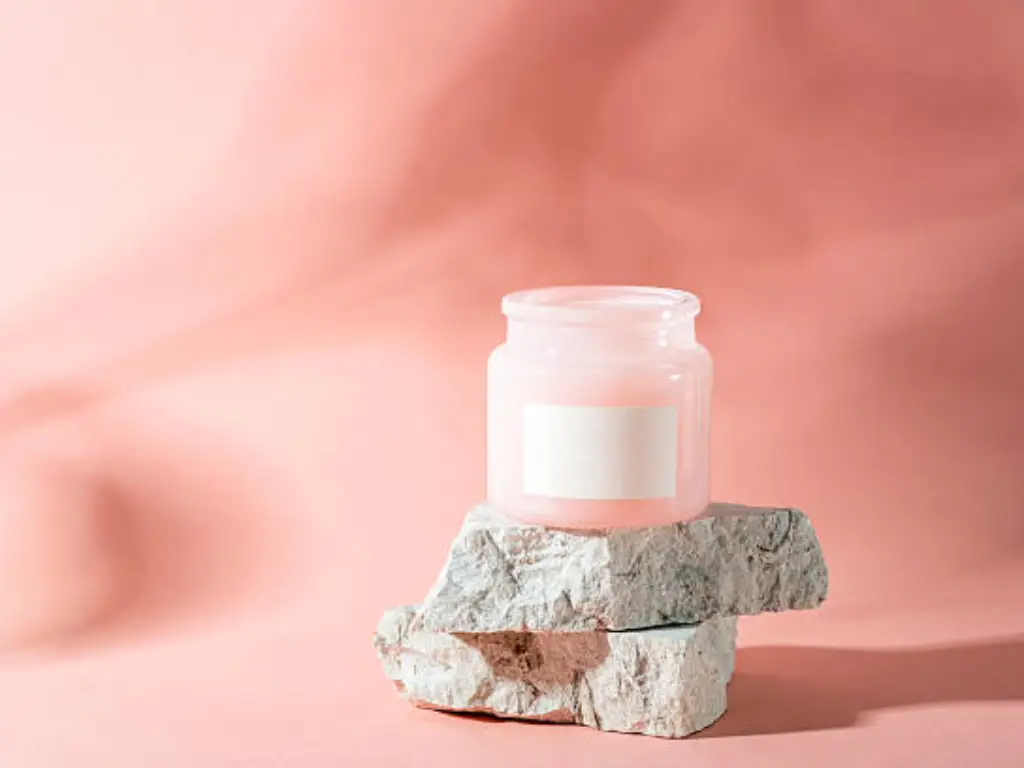
The selection of material is a science by itself. In the examples of glass, which is luxurious, eco-friendly, heavy, and weak, it is only applicable in high-end skincare. Acrylic is slimmer and contemporary offering that apparent floating effect on shelves. However, it is less sustainable. Recycled PET is both light and low-cost which makes it the perfect option when creating mass-market products whereas paper-based resources provide an organic and natural connection in the hands, which would best suit indie/organic cosmetic brands, although, water does not mix well with them.
On the structural front, design choices such as pump vs dropper vs flip top are not mere aesthetic choices and the way your customer will use your product in their day-to-day lives. A pump can be of high quality, hygienic, and a dropper can be more precise and emphasize a pharmaceutical-like tone. Flip-tops are efficient and quick, particularly when travelling or in-shower. All the building you will make must be able to answer one simple question: is it practical, consistent with the tone of brand, and fits in with the lifestyle of the customer?
Top Skincare Packaging Case Studies
Perfect packaging is not only pretty, but it is strategic. The examples of good cosmetic packaging design presented below found their way to our gallery because of their ability to define the customer relationship with a specific brand due to their materials, structure, and design.
Glossier: Minimalist Meets Playful
Glossier is a combination of clean look and a gentle touch. Their pastel pink coloring plus straightforward type and a pouch-type secondary packaging produce an endearing, textural sensation that looks and feels both luxurious and intimate.
- Visual Highlights: Matte, zipper pouches, sublte gloss on logos
- Functionality – lighter yet convenient because of its portability which makes it excellent for travel purposes or as a gift item.
- Emotional Hook: it is like opening a gift pack of your friend, not of a brand
- Audience Fit: The consumers who are young, social savvy, and hungry to find beauty and simplicity
The design of the skincare packaging of Glossier does show that being minimalistic does not necessarily imply how sterile. With a touch of playfulness and adorableness, they transform simplicity into something that triggers emotions and brand loyalty.
LUSH: Bold and Sustainable
LUSH leads the way in sustainable packaging with its “naked” products (no packaging at all) and use of 100% recycled black pots. Handwritten fonts and bright labels reflect a playful yet purposeful brand voice.
- Visual Highlights: Raw textures, bold typography, hand-labeled feel
- functionality: lasting, reusable pots; little waste packaging
- Emotional Hook: Morally responsible, hand made and eco friendly
- Audience Fit: environmental-friendly consumers interested in activism and genuineness
LUSH has assumed that activism and creativity can come together in its cosmetic packages in a bold and daring way, and in this way, ethical values and remarkable branding are to be found simultaneously at the shelf.
YSL Beauty: Glamour Meets Modern Luxury
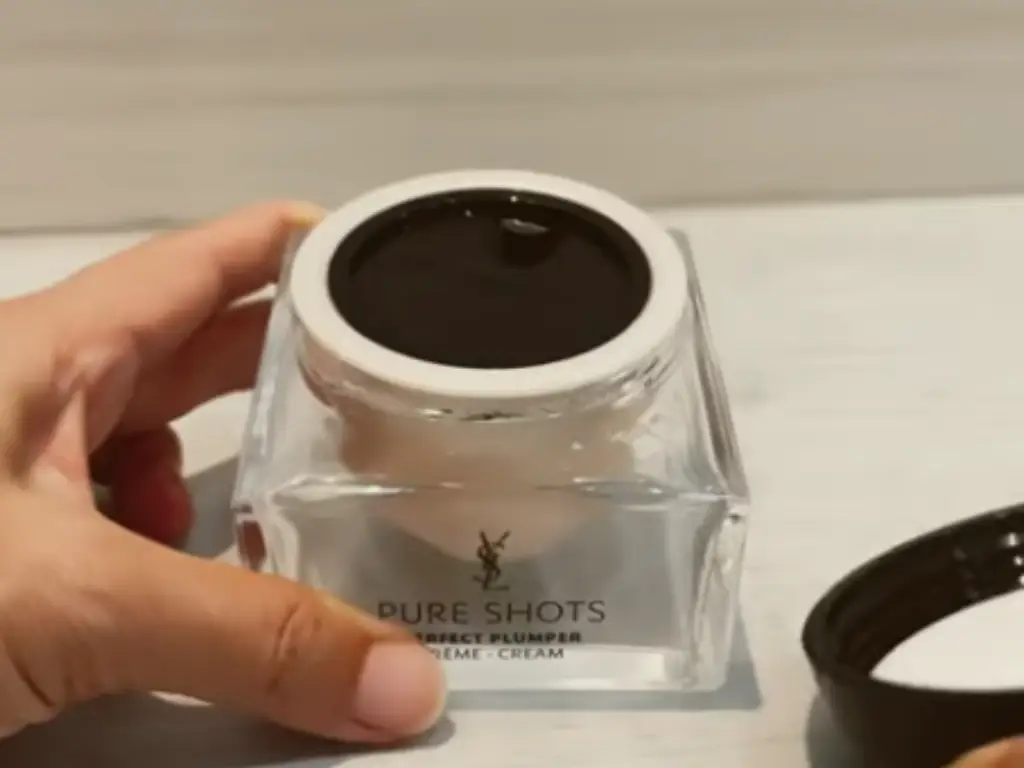
YSL Beauty has put the DNA of high-fashion skincare packaging into its skincare products. As a leader in the beauty industry, YSL seamlessly blends couture design with cosmetic innovation. The color scheme of gold and black, as well as the clean geometric shapes, are completely thought out to hint glamour, sensuality, and contemporary luxury.
- Visual Highlights: High-gloss black surfaces, metallic gold accents, YSL monogram embossing
- Functionality: Glass containers with magnetic closures, premium pump dispensers for hygiene and dosage control
- Emotional Hook: Feels powerful, seductive, and fashion-forward—like skincare meets runway
- Audience Fit: Luxury buyers who seek both performance and statement design; often fashion-conscious and brand loyal
YSL’s packaging doesn’t just hold a product—it holds presence. Whether it’s the Pure Shots Night Reboot Serum with its architectural bottle or the Or Rouge range in its sculpted gold jars, YSL ensures its beauty products look and feel like premium accessories. It’s aspirational skincare designed to impress both on the vanity and on social media.
La Mer: Iconic Luxury and Oceanic Heritage
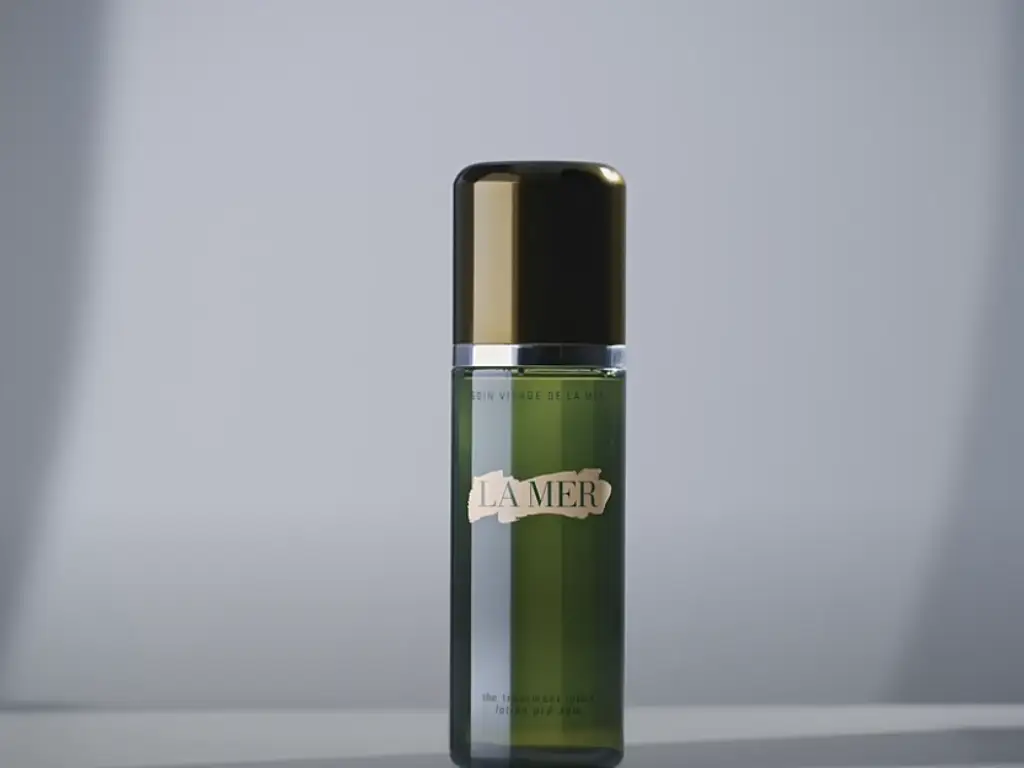
La Mer is a luxury skincare brand with one of the most recognizable names, and its packaging reflects its legacy, elegant, sophisticated, and sea-inspired. The frosted glass jars, the soft green and ivory color scheme, and the minimalist typography all contribute to a calm but luxurious brand image.
- Visual Highlights: Frosted glass, soft metallic caps, seafoam hues, embossed serif font
- Functionality: Weighty jars that feel substantial in the hand, secure metal caps to protect premium formulations
- Emotional Hook: Feels timeless, precious, and deeply nourishing—like a skincare ritual rooted in nature
- Audience Fit: Affluent, loyal consumers who value brand history, premium formulation, and sensory experiences
The packaging of La Mer enhances the story of healing and luxury, transforming all touchpoints into a reminder of its deep-sea origin story and brand history.
Chanel Skincare: Timeless Elegance with Modern Precision
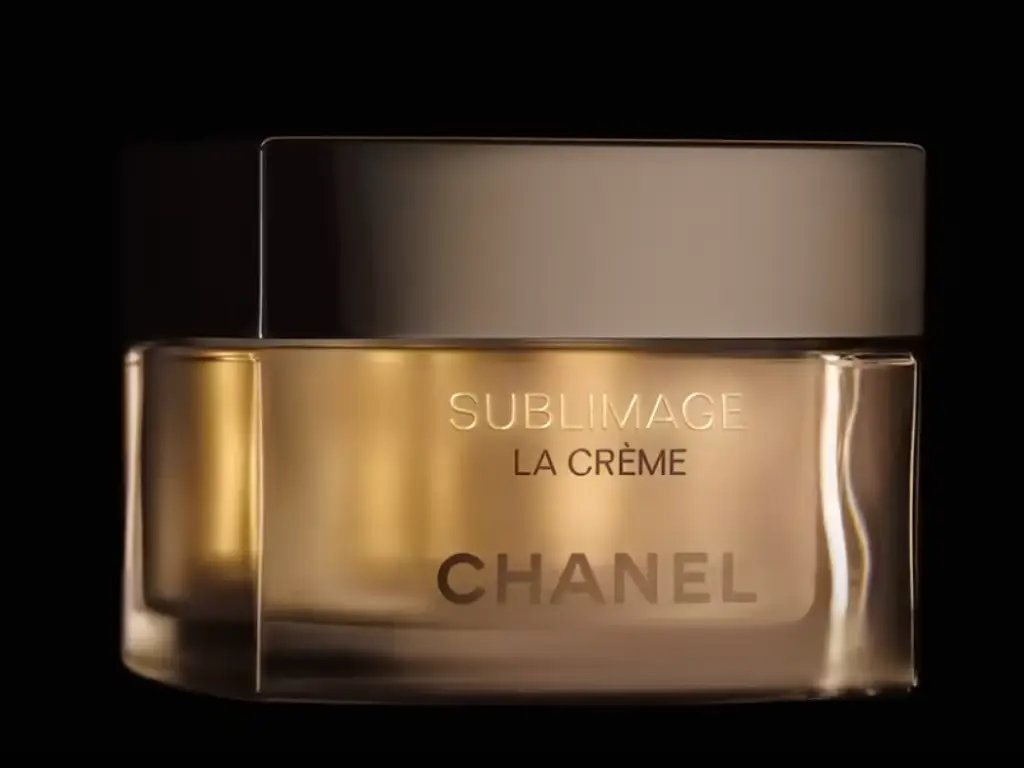
Chanel transfers the same elegance and high fashion heritage of its fashion house to its skincare packaging. Chanel skincare line is sleek, monochromatic, and refined with glass bottles, and it strikes the balance between clinical clarity and undeniable elegance. The packaging is usually done in opaque glass or lacquered finishes to give the same feel of luxury and heritage.
- Visual Highlights: Minimal black-and-white color scheme, rectangular glass containers, subtle logo placement
- Functionality: Precision droppers or high-end pumps, magnetized closures, double-layered caps for cleanliness and security
- Emotional Hook: Feels like holding a piece of couture—discreetly powerful, timeless, and refined
- Audience Fit: High-income, brand-loyal consumers who appreciate both heritage and performance in design
It can be the Sublimage L’Essence serum or the Hydra Beauty line, but Chanel skincare packaging exudes confidence without being showy. It is a connection between old French luxury and contemporary skincare customers, and it demonstrates that minimalism can be luxurious as well.
Skincare Packaging Workflow: From Concept to Launch
The process of converting a concept of packaging into a palpable one is an elaborate process. It begins at brand positioning—how do you fit in the cosmetics industry. Next, there is moodboarding and style research, where you explore how the design would evolve visually and emotionally. Then you choose your materials and structural design, bearing in mind the three issues of sustainability, cost, and user experience—especially when developing cosmetic product packaging that aligns with both brand identity and consumer demand.
Then comes the technical stage: dielines, prototypes, and test samples, which ensure that it fits, flows, and works. At this point, selecting durable packaging becomes crucial—not only for product protection during transportation but also for maintaining shelf appeal over time. Then there is the visual design: fonts, graphics, logo, colors—all of these are finalized into your brand kit. And do not forget quality assurance and user testing: does the cap leak? Does the label smear when it is wet? It is only after these steps that you move into mass production. It takes time, but it is essential, because rushed packaging results in recalls, destroyed inventory, and unsatisfied customers. Precision matters.
About Daxin: Your Trusted Skincare & Fragrance Packaging Partner
Daxin Glass Bottles is a professional B2B manufacturer of high-quality glass packaging in the skincare, fragrance, and aromatherapy markets. Having a large production capacity and adhering to precision and innovation, we collaborate with mid-to-large-scale beauty brands, private label suppliers, and OEM/ODM manufacturers to provide tailored, scalable solutions to high-end product lines.
We have a variety of containers, such as serum bottles, cream jars, diffuser bottles, and perfume vials, which are aimed at enhancing brand identity and at the same time conforming to international standards of durability, functionality, and beauty. Daxin Glass supports you in the development of a luxury skincare line or a high-volume fragrance line, and offers complete support on mold development to bulk production.
To make wholesale orders or OEM collaboration, please visit www.daxinglassbottles.com. We can work together to get your packaging vision to market-scale and precision.

Niche Concepts & Future Packaging Directions
So, where do we look in the future? Refill modes are no longer something new. Picture fancy serums in reusable outer packaging that has refillable cartridges. It is cost effective, environment friendly and it builds brand commitment towards sustainability. Modular packaging, in the same manner, gives the user the means to mix and match constituents so that they can assemble their own skincare regime using a loose set of base packaging.
Smart packaging is on a roll, too: Add-ons to give domain knowledge in the form of AR overlays, bottles that keep track of their consumption by means of NFC tags, or virtual try-ons to allow customers to experiment with your product line. And should you prefer to become even greener? Format zero-waste such as cleansing bars, naked balms, or dissolvable sachets are setting the trend. It is important to note that these innovations are not mere gimmicks but the means of achieving the current rising market demands in this digital and eco-conscious era.
Conclusion
In a market now full of cosmetic products, skincare packaging is not just pretty packaging, it is an important business tool. It contains the soul of your brand, produces an emotional contact, plays the role of your mute salesforce at shelves and screens. Are you the leader in sustainability, high-tech innovation, or are you simply trying to make people understand your value a bit more clearly? In all these cases, amazing packaging will make your product memorable.
 English
  Spanish
  French
  German
  Arabic
  Italian
  Dutch
Dutch  Portuguese
  Russian
  Korean
  Japanese