
Types of Glass Frosting: The Ultimate Guide for Architecture & Packaging
In the highly specialized intersection of architectural light management and luxury product design, glass frosting stands as a critical and transformative manufacturing process. It is vastly more complex than a simple aesthetic choice intended for basic visual privacy; it is a sophisticated manipulation of surface topography that dictates exactly how light interacts with a substrate. Whether the application involves a sweeping, floor-to-ceiling office partition system or a 50ml high-end fragrance vessel, the choice of frosting technique directly and permanently impacts light transmittance, tactile feedback, structural integrity, and long-term maintenance costs. Selecting the incorrect opacification method can lead to catastrophic project failures, ranging from unremovable fingerprint staining on commercial doors to chemical peeling and massive rejection rates on high-speed cosmetic filling lines. This comprehensive guide provides an exhaustive technical analysis of industrial frosting methods. By moving far beyond surface-level descriptions, we will explore the underlying chemical reactions, physical abrasions, and polymeric adhesions that define premium glass manufacturing, equipping procurement directors and architectural specifiers with the exact parameters needed to make infallible production decisions.
Decoding Glass Frosting: Beyond Basic Privacy
The fundamental physical principle of all glass frosting lies in the concept of opacification—the deliberate and controlled disruption of a naturally transparent surface to scatter and diffuse light. In two-dimensional architectural contexts, the primary objective of opacification is to achieve a precise mathematical balance between natural light infiltration (lumen preservation) and visual seclusion. Specifiers in this field are heavily focused on light transmittance percentages and safety compliance.
However, when we transition into the realm of three-dimensional container packaging—specifically for high-end cosmetics and premium spirits—the intention behind frosting shifts dramatically toward tactile engineering. In this sector, the frosting is not just a visual barrier, but a critical physical interface. It creates a signature soft-touch finish that resonates with brand prestige, provides essential ergonomic grip for consumers handling oil-based cosmetics, and expertly conceals minor internal variations in the glass wall thickness or slight discrepancies in the liquid fill levels.
To truly understand the diverse types of glass frosting available in the industrial market, one must envision the raw glass surface as a perfectly serene, undisturbed lake. To transform its clarity, a manufacturer has three distinct options: they can introduce a chemical reagent to permanently alter the water’s composition and cloud the depth (representing Acid-Etching); they can utilize immense kinetic energy to violently smash the surface and create permanent ripples (representing Sandblasting); or they can simply stretch a tightly woven physical veil over the exterior of the water (representing Spray Coating or Vinyl Films). Each of these manufacturing mechanisms yields a radically different surface energy profile, directly dictating the material’s subsequent durability, interaction with contaminants, and overall cost at scale.
Acid-Etched Glass
Across both architectural and packaging disciplines, acid-etched glass is universally recognized as the gold standard for premium applications. Unlike mechanical abrasive processes that rely on brute force, acid etching leverages highly controlled chemical reactions to permanently alter the silicate structure of the glass surface at a microscopic level, resulting in an exceptionally uniform and refined finish.
The Chemistry of a Satin Finish
The core mechanism of this process involves the precise application of a Hydrofluoric Acid (HF) solution, often buffered with other chemical salts, directly onto the glass substrate. This aggressive chemical reaction selectively dissolves the silica matrix on the surface, creating an intricate, homogenous network of microscopic cavities known as micro-pits. When analyzed under high-power industrial microscopy, these micro-pits are uniquely rounded and smooth at their edges. They resemble the gentle undulating surface of a melting ice sheet rather than the jagged, shattered landscape caused by mechanical impact. This rounded, continuous micro-topography is the exact physical reason why acid-etched glass possesses a luxurious, velvet-like satin feel. It allows incoming light to scatter softly and evenly across the spectrum while completely eliminating the sharp microscopic ridges that typically trap human skin oils, dust, and environmental debris.
High-End Packaging Applications
Within the highly competitive B2B 3D packaging industry, acid-etched glass is absolutely indispensable. Beyond its aesthetic superiority, its true value lies in its exceptional scuff resistance. On modern, high-speed automated filling lines that process upwards of 120 bottles per minute, glass containers constantly collide and rub against metal guide rails and one another. If the glass surface is mechanically rough—such as with low-grade sandblasting—this severe friction causes microscopic glass particles to shear off, generating glass powder that can fatally contaminate the liquid fragrance inside. The remarkably smooth, chemically polished micro-pits of an acid-etched surface drastically reduce the coefficient of friction, completely neutralizing this catastrophic production hazard.
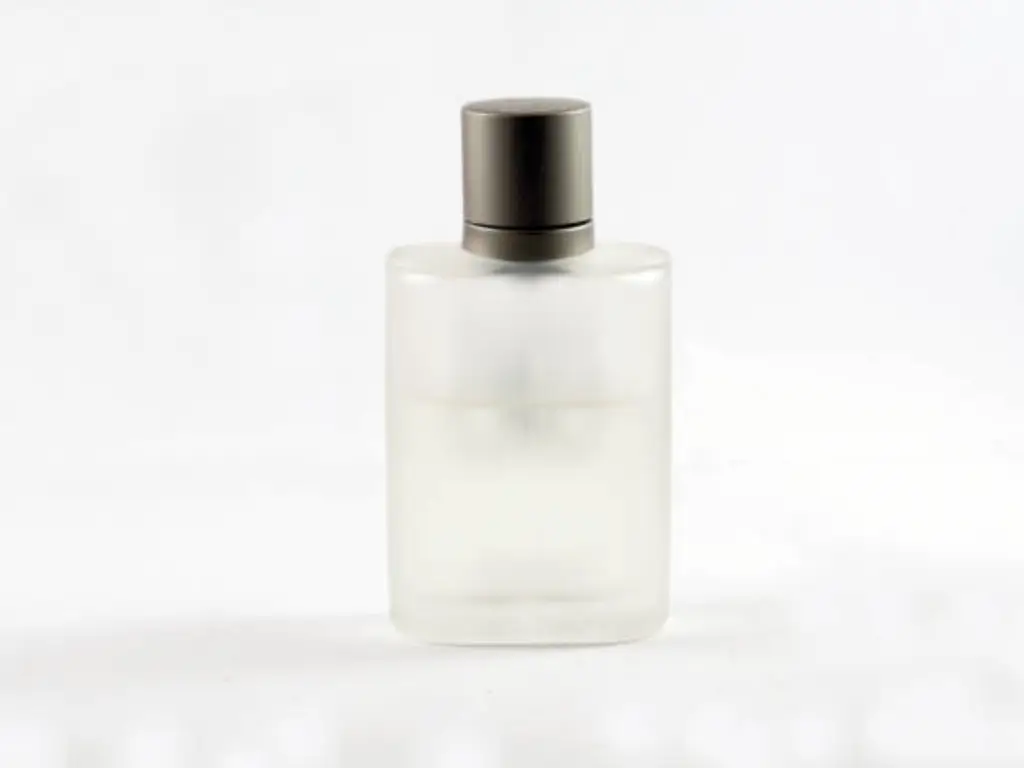
A prevalent and catastrophic misconception in the cosmetic packaging industry is attributing a cheap, muddy, or dull aesthetic exclusively to a poorly executed acid-etching process. In reality, the true culprit is almost always the chemical composition of the base glass substrate itself. Many manufacturers attempt to cut initial costs by utilizing standard float glass or standard flint glass with an iron oxide (Fe2O3) content hovering around 0.12% to 0.15%. When this high-iron glass is subjected to deep acid etching, the frosting amplifies the inherent impurities, manifesting as a visible, low-grade greenish or amber tint that completely compromises the clarity and perceived value of the fragrance.
Top-tier luxury perfume brands looking for a flawless finish choose Daxin Glass Bottles specifically for our uncompromising source formula control. By utilizing authentic Super Flint Glass, we compress the iron oxide content to an absolute minimum—strictly below 0.015%. Only this exceptionally pure, low-iron base material can achieve a diamond-like, utterly colorless velvet matte texture after deep chemical etching. From a procurement perspective, the Total Cost of Ownership (TCO) calculation is brutally clear. Utilizing inferior high-iron glass often leaves brands facing a terminal quality control rejection rate of 15% to 20% due to color distortion at the final inspection stage. By partnering with Daxin Glass and utilizing our Super Flint substrate, while the initial per-bottle cost may carry a marginal premium of $0.05, the acid-etching yield stabilizes above 98%. This drastic reduction in rejected inventory and wasted liquid actually drives the Total Cost of Ownership down by approximately 12%, securing both brand prestige and bottom-line profitability for enterprise buyers.
Sandblasted Glass
Sandblasting is a purely mechanical frosting technique that utilizes highly pressurized air to propel hard abrasive particulates—most commonly aluminum oxide or silicon carbide grit—against the transparent glass surface. This intense kinetic impact effectively erodes and fractures the top layer of the glass, creating a distinctive, deeply frosted appearance that typically exhibits a higher degree of visual opacity than standard chemical etching.
Edge Control and Custom Masking
While sandblasting cannot match the silky tactile feel of acid etching, its primary and irreplaceable advantage in modern glass manufacturing is its absolute precision in edge control. In the production of 3D perfume bottles and complex architectural partitions, acid etching frequently suffers from the meniscus effect—where the surface tension of the liquid acid causes slightly rounded, blurred, or creeping edges at the boundary of a frosted design. Sandblasting circumvents this liquid limitation entirely. By utilizing custom die-cut masking films applied tightly to the glass before blasting, manufacturers can achieve razor-sharp geometric patterns, perfectly crisp brand logos, and highly controlled frost-to-clear gradients. It is the mandatory method for creating textured borders or selective frosting zones that must align with exacting geometric tolerances.
The Maintenance and Fingerprint Dilemma
Despite its precision, sandblasting introduces a severe post-installation vulnerability. The violent kinetic nature of the blasting process produces a sharp, highly fractured micro-topography. These jagged, microscopic craters act exactly like a rigid sponge. When a user touches a raw sandblasted surface, the natural sebum and oils from their skin are immediately absorbed deep into these porous cavities. Because the craters have sharp inward angles, wiping the glass with standard liquid cleaners is entirely ineffective; the cloth simply glides over the top while the oil remains trapped below, resulting in permanent, unsightly fingerprint staining.
To make sandblasted glass viable for commercial or cosmetic use, it must undergo a secondary chemical treatment. Industrial-grade sandblasted surfaces must be sealed using advanced Silane-based nano-polymer sealers. These specific chemical sealers form strong covalent bonds with the silica, radically lowering the surface energy of the glass to create a durable oleophobic barrier. This prevents oil penetration while preserving the visual matte effect, an essential specification that buyers must never omit to save costs.
Color Spray Frosting for 3D Packaging
As consumer brands continuously seek aggressive market differentiation, the traditional semi-translucent white finish of standard frosting is often insufficient. To bridge this gap, industrial spray frosting—also referred to as color coating—has emerged as a high-velocity, highly versatile manufacturing solution. By strictly separating this process from ambient-temperature architectural vinyl films, packaging engineers can utilize high-temperature chemical cross-linking to achieve permanent color bonding on 3D containers.
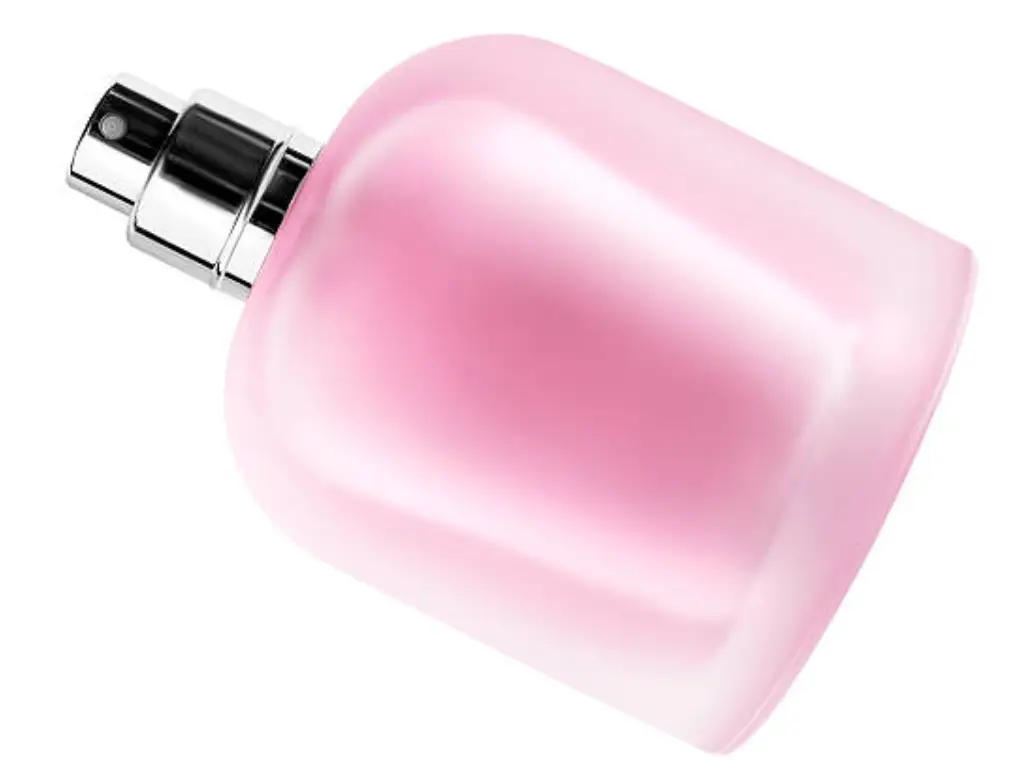
While traditional acid etching is physically restricted to semi-translucent white finishes, color spray frosting offers unparalleled aesthetic versatility, enabling the intricate powder-mist textures and semi-translucent amber or pastel gradients that define modern boutique fragrances. However, the most critical and frequent failure point for perfume buyers utilizing spray frosting is alcohol corrosion. Because high-end fragrance formulations contain extremely high concentrations of volatile ethanol, inferior water-based coatings will immediately swell, dissolve, and peel upon contact with even minor liquid leakage. This leads to catastrophic customer complaints, ruined vanity setups, and devastating product recalls. To survive in the luxury packaging ecosystem, the exterior coating must meet uncompromising chemical resistance standards.
At Daxin Glass, our premium spray frosting utilizes a highly specialized, alcohol-resistant Water-based Polyurethane (PU) emulsion. This advanced coating is subjected to a rigorous long-term cross-linking curing process in thermal tunnels kept at a constant 130 to 150 degrees Celsius. This precise thermal control ensures maximum molecular density, allowing the finished glass to effortlessly pass the grueling 500-rub alcohol resistance test without a single hint of degradation, tackiness, or color transfer. Finding a manufacturing partner equipped with these strict temperature-controlled curing lines usually requires brands to commit to astronomically high Minimum Order Quantities. However, Daxin Glass leverages highly efficient automated spray coating lines and a vast inventory of over 2,000 ready-to-ship molds. This agile supply chain architecture empowers emerging and established brands alike to conduct high-end, zero-peel color frosting market tests with an incredibly low MOQ of just 1,000 units, entirely bypassing exorbitant custom mold fees while guaranteeing world-class chemical durability.
Architectural and Structural Glass Frosting
Shifting focus back to large-scale spatial applications, architectural frosting must adhere to stringent building codes, wind-load calculations, and human impact safety standards. In these environments, opacification is frequently integrated directly into the structural composition of the glass pane rather than acting merely as an exposed surface treatment.
Architectural Vinyl Films (Retrofit Solutions)
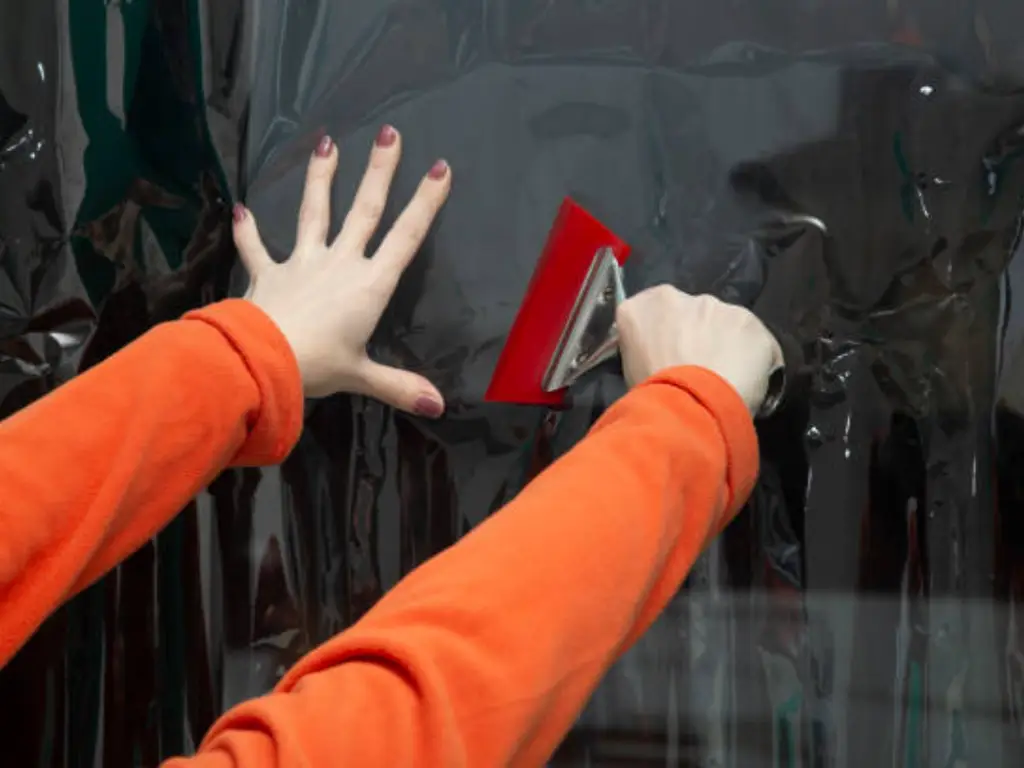
Commercial vinyl films, typically manufactured from Polyethylene Terephthalate (PET), represent the most flexible and economically accessible frosting category for the architectural retrofit market. Applied via advanced pressure-sensitive adhesives, these films provide an immediate privacy solution for leased office spaces or dynamic commercial environments where permanent glass etching is contractually prohibited. While highly versatile, specifiers must be acutely aware of environmental limitations; even premium films are susceptible to edge curling and adhesive degradation when deployed in high-humidity or extreme temperature-fluctuating environments.
Translucent Laminated Glass
Often referred to by engineers as the sandwich method, this highly secure technique involves encapsulating a frosted Polyvinyl Butyral (PVB) or SentryGlas Plus (SGP) interlayer directly between two sheets of clear tempered glass. The primary maintenance benefit is absolute perfection: because the frosting is safely sealed inside the composite panel, both the interior and exterior glass surfaces remain perfectly smooth, entirely immune to fingerprints, and incredibly easy to sanitize. Furthermore, this structural lamination fulfills the highest architectural security requirements, delivering massive acoustic noise reduction and satisfying strict human impact standards such as ANSI Z97.1 and AS 1288.
Ceramic Frit and Silk-Screening
For skyscraper facades, external curtain walls, and environments subjected to extreme weathering, Ceramic Frit stands as the ultimate, indestructible frosting solution. This highly industrial process involves screen-printing liquid glass enamel (the frit) onto the raw glass surface. The pane is then fed into a tempering furnace where temperatures exceed 600 degrees Celsius. During this extreme thermal cycle, the enamel permanently melts and fuses with the glass matrix. The resulting frosted effect is literally baked into the atomic structure of the glass—it absolutely cannot be scratched off, will never fade, and is virtually impervious to environmental degradation, chemical cleaning agents, and long-term UV radiation.
The Master Technical Comparison Matrix
To facilitate precise engineering and procurement decisions, the following matrix consolidates the performance metrics of all major industrial frosting methodologies. This data ensures that your specification aligns perfectly with both the physical demands of the application and the financial constraints of the project.
| Process Methodology | Tactile Smoothness | AF (Anti-Fingerprint) Resistance | TCO at Scale (Total Cost) | Ideal Enterprise Use-Case |
|---|---|---|---|---|
| Acid-Etched (Chemical) | Exceptionally High (Velvet) | Excellent (Inherent) | Highly Efficient for Mass Production | Luxury Fragrance Packaging / High-End Partitions |
| Sandblasted (Mechanical) | Moderate to Low (Abrasive) | Poor (Mandates Silane Sealer) | Moderate (Higher Labor for Masking) | Complex Geometric Masking / Crisp Gradients |
| Color Spray Coating | Adjustable via Resin | Varies by PU/Epoxy Curing | Highly Efficient for Agility | 3D Container Color Gradients / Rapid Prototyping |
| Vinyl Films (PET/PVC) | Synthetic Plastic Feel | Moderate to Good | Lowest (Retrofit Capital Expenditure) | Leased Commercial Spaces / Temporary Zoning |
| Laminated / Ceramic Frit | Flawless (Exposed Glass Face) | Absolute Maximum | Highest (Structural Investment) | Exterior Facades / Acoustic Security Zones |
The Specifier’s Checklist: Enterprise Decision Matrix
Selecting the optimal frosting technology demands a ruthless evaluation of your project’s environmental stressors, visual requirements, and long-term maintenance capabilities. Utilize this enterprise-grade decision logic to eliminate procurement errors and secure the ideal manufacturing pathway:
If you are a commercial architect managing a facility that anticipates future spatial reconfigurations or lease expirations.
Specify commercial-grade, scratch-resistant PET Vinyl Films for rapid deployment and clean reversibility.
If your design schematic requires incredibly sharp, high-contrast geometric logos or precise frost-to-clear demarcations on a structural panel.
Specify high-pressure Sandblasting strictly paired with Silane-based nano-polymer sealers to guarantee crisp lines without the fingerprint liability.
If you are a luxury cosmetic or fragrance brand demanding ultimate tactile prestige, flawless aesthetics, and maximum yield on high-speed filling lines.
Specify Super Flint substrates (Fe2O3 < 0.015%) combined with deep Chemical Acid Etching. Partnering with specialized manufacturers like Daxin Glass for this purity standard guarantees zero color distortion and ensures a pristine 98% yield, lowering Total Cost of Ownership.
If the installation is located in a high-traffic public infrastructure zone (such as airports, hospital lobbies, or exterior curtain walls).
Specify Translucent Laminated Glass or High-Temperature Ceramic Frit to completely immunize the opacification layer from physical contact and UV degradation.
 English
  Spanish
  French
  German
  Arabic
  Italian
  Dutch
Dutch  Portuguese
  Russian
  Korean
  Japanese