
Introduction
The story of a product in the silent, competitive world of home fragrance starts way before the first diffuser reeds are dipped into scented oil. It begins with a promise that is not expressed in smell, but in sight and touch. Your packaging is this promise; it is the silent salesman on a cluttered shelf that speaks of quality, ethos and aspiration in one, physical instant. With so many choices in the market, whether it is a small-scale artisan in Toronto or a worldwide brand, a well-designed diffuser box is not just a cost but your most important strategic tool. This guide will take you through the art of making that perfect package, and enable you to make custom boxes that will wow your audience and convey the unique story of your fragrance.
Deconstructing Luxury: An Analysis of 5 Iconic Reed Diffuser Packaging Case Studies
In order to see what can make packaging really outstanding, we should leave theory behind and look at the examples of the acclaimed packaging in the real world. The following are five case studies of iconic brands, which are the perfect examples of how to use design to create a strong narrative.
Case Study 1: Jo Malone London – The Minimalist Luxury Archetype
- Brand Story: Originating from the UK, renowned for its understated elegance, the philosophy of Fragrance Combining™, and a timeless, classic style.
- The Bottle: A classic, apothecary-type clear glass bottle with clean lines and a plain silver or black collar. The brand logo and the name of the scent are clearly printed on the label, which provides instant clarity.
- The Packaging: The traditional cream colored rigid box (lift off lid style) with a clean black border and a luxurious black grosgrain ribbon. This packaging has even become a central brand identifier.
- Why It Works: This is a masterclass in brand consistency. The brand is the packaging and the packaging is the brand. It conveys luxury by being extremely simple and using high-quality materials, which is why it is the ideal gift across the globe.
Case Study 2: Diptyque – The Curated Olfactive Art Gallery
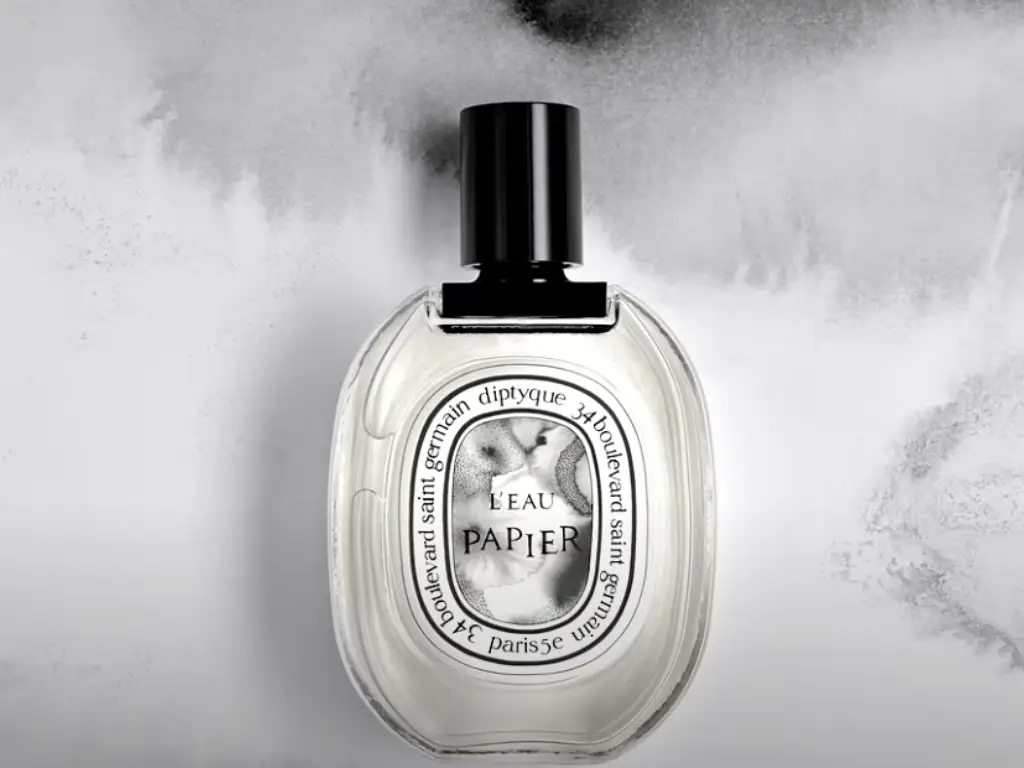
- Brand Story: An artistic perfume house in Paris with an avant-garde spirit, where every perfume has a story or a journey behind it.
- The Bottle: A weighty, many-faceted glass container with a sculptural aspect that is a beautiful refractor of light. The label is the hero of the design.
- The Packaging: A rigid box in black or white of high quality. The design emphasis is all on the iconic oval label, with its unique, dancing typography. The box usually contains a small card which narrates the story of the fragrance, which adds to the story.
- Why It Works: Diptyque does not sell a product, but an artistic vision. Its packaging is something that would be at home in a Parisian art gallery or a writer study, and that is exactly what would attract a culturally aware consumer. This is what makes luxury different in this intellectual approach.
Case Study 3: Acqua di Parma – The Essence of Italian Sunshine
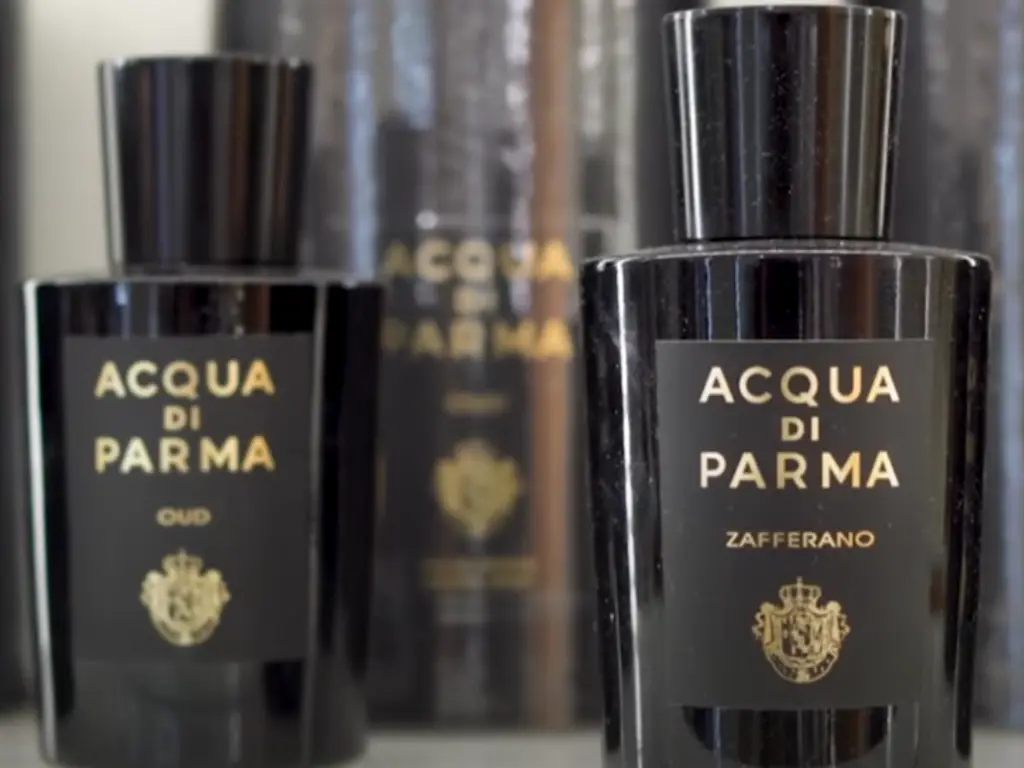
- Brand Story: Italian born, a symbol of fine Italian craftsmanship, a rich history and the Mediterranean way of life.
- The Bottle: A large, dark glass bottle to preserve the fragrance oils, usually with a traditional, simple design. It lets the outer packaging and the colored reeds to be the visual leaders.
- The Packaging: The iconic cylinder tube in the distinctive and vivid yellow of Parma. This color has come to be associated with the brand. The box is decorated with the noble crest of the brand, which emphasizes its history.
- Why It Works: The most potent brand asset is color. The distinctive color of Parma yellow and the sophisticated cylindrical form are not only very recognizable on the shelf but also effectively create the dreamy lifestyle of the Italian luxury. The emotional appeal it creates is much more than the product.
Case Study 4: Fornasetti – Packaging as a Surrealist Art Object
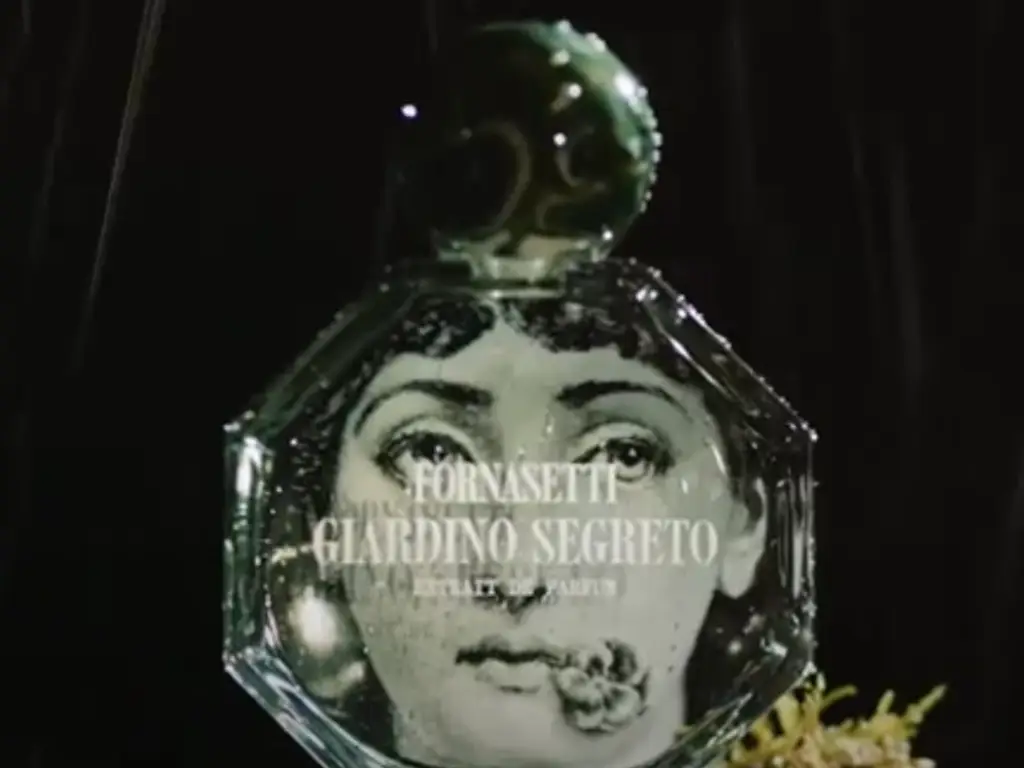
- Brand Story: An Italian artistic design atelier based on the immense and iconic visual archive of its founder, Piero Fornasetti. The philosophy of the brand is to turn ordinary items into collectible works of art, combining surrealist and classical motifs.
- The Vessel: Fornasetti diffusers are beyond the concept of a mere bottle. They are stored in carefully made ceramic containers, which are intended to be retained and used as decorative art even when the perfume is exhausted. All the vessels are decorated with one of the iconic and mysterious designs by Fornasetti, including the face of his muse, Lina Cavalieri.
- The Packaging: The outer packaging is usually a large, high quality rigid box that serves as a fine frame for the art object inside. It is also adorned with the Fornasetti trademark art, which makes it look like a complete and luxurious package as soon as it is viewed.
- Why It Works: This is the ultimate product, packaging and art combination. The consumer is not buying a home fragrance, he or she is buying a collectible Italian design. It fully erases the boundary between a practical item and interior design, which makes it worth a high price tag due to its eternal aesthetic appeal.
Case Study 5: Cire Trudon – Packaging as Historical Legacy
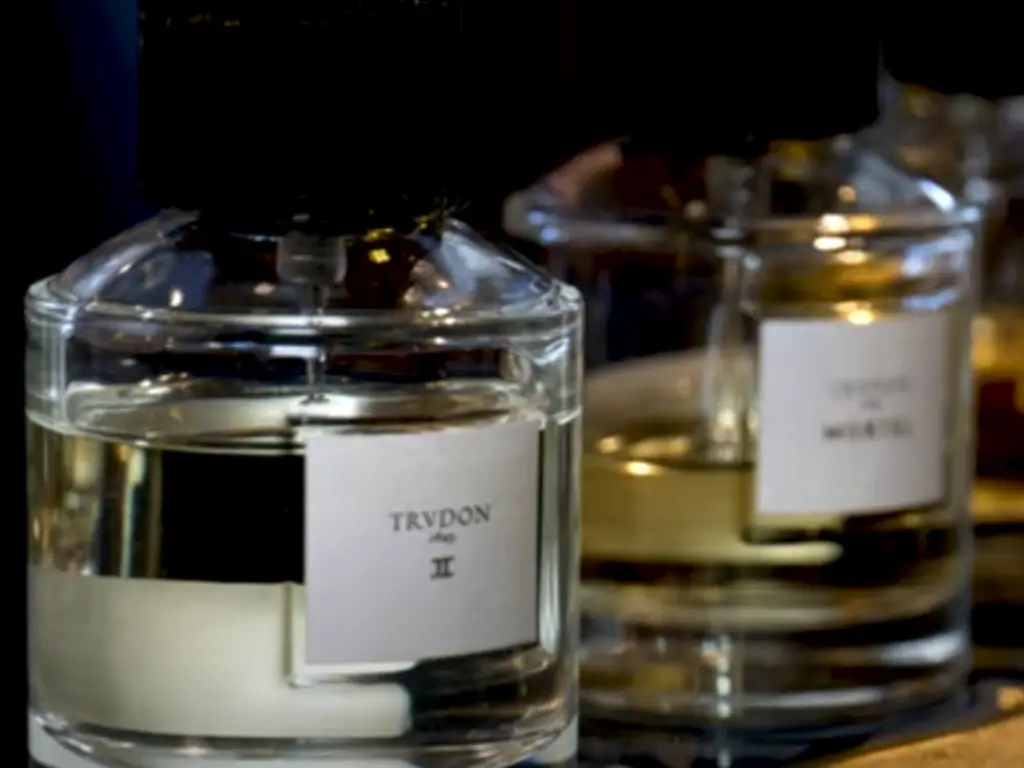
- Brand Story: It is the oldest candlemaker in the world and was established in 1643 and once sold to French royalty, including Louis XIV and Marie Antoinette.
- The Bottle: A unique, dark green fluted glass bottle, based on antique champagne bottles. It is painted with a gold emblem on the front, which makes it easily identifiable.
- The Packaging: A hard box of the same dark green as the bottle, embossed in gold with a crest and the motto of the brand. The whole design reflects its ancient history and royal ties.
- Why It Works: Cire Trudon is selling history and legacy. Its packaging is not in the latest fashion; it is all based on its own historical authenticity. The dark green and gold color scheme is royal, classic and majestic. It is a small part of French history to own one.
The Heart of the Package: Crafting the Perfect Glass Diffuser Bottle
The diffuser bottle is not just the contents as our case studies demonstrate, but the soul of the end product and the focus of the packaging design. Its aesthetic and touch properties precondition the whole brand experience. The first step in the process of creating a truly bespoke product is to understand how these beautiful objects are made.
The Art of Glassmaking: From Molten Sand to Elegant Vessel
Glassmaking is an art of transformation. It starts with silica sand which is subjected to very high temperatures until it is melted into a soft liquid. In the case of diffuser bottles, this molten glass is normally formed by a mold-blowing technique. A jet of air forces a precise amount of glass into a specially designed mold, so that each bottle produced has identical dimensions, wall thickness and capacity, which is a vital consideration in subsequent packaging design. The possibilities in this process are enormous, ranging through traditional squares and rounds to more geometric shapes.
Surface Treatments: A Guide to Customizing Your Diffuser Bottle
| Treatment Type | Process Description | Common Applications & Effect | Luxury Level / Relative Cost |
| Color Spraying (Full Coat) | An even layer of opaque or translucent organic lacquer is applied to the bottle’s exterior or interior. Can be finished in matte, gloss, or satin textures. | Essential for achieving solid, brand-specific Pantone colors. Interior spraying provides a sense of depth, with the color viewed through the glass itself. | Medium |
| Gradient Spraying | A specialized, often multi-step, spraying technique where one or more colors are blended seamlessly from top to bottom or around the bottle. | Creates a dynamic “ombre” or sunset effect. Very modern, eye-catching, and adds significant visual interest compared to a solid coat. | Medium-High |
| Frosting / Acid Etching | The glass surface is chemically treated with a hydrofluoric acid solution (or sandblasted) to create a uniform, micro-pitted surface. | Produces a premium, sophisticated matte texture with a “sea glass” or “chilled” look. It diffuses light beautifully and hides fingerprints. | Medium |
| Silk-Screen Printing | Ceramic ink is pushed through a stenciled mesh screen directly onto the glass. The bottle is then fired at high temperatures (in a lehr), permanently fusing the ink into the glass surface. | The industry standard for applying crisp, durable, single or multi-color logos and text. The permanence is ideal for branding and regulatory information. | Medium |
| Hot Stamping (Foil) | A heated die presses a metallic or pigmented foil onto the glass. A special adhesive on the glass is activated by the heat, bonding the foil to the surface. | Excellent for applying sharp, brilliantly reflective metallic logos, borders, or text (e.g., gold, silver, copper). Creates a distinct metallic look on a specific area. | High |
| Decal Application (Water Transfer) | An intricate, full-color design is printed on special decal paper. The decal is soaked in water, applied by hand to the bottle, and then fired in an oven to permanently adhere the design. | The primary method for achieving complex, photorealistic, or full-wrap illustrative designs with many colors and fine details. | High |
| Laser Engraving | A high-powered laser precisely vaporizes the surface of the glass (or a coating on the glass) to etch a permanent, computer-guided design. | Used for extremely fine, detailed patterns, logos, or even unique serial numbers. Creates a subtle, tactile, and very modern technical luxury effect. | Very High |
| Electroplating | The bottle is submerged in an electrolyte bath, and an electric current is used to deposit a thin, uniform layer of real metal onto the entire glass surface. | The ultimate process for a seamless, true-mirror metallic finish (e.g., chrome, shiny gold, rose gold). The pinnacle of opulence for ultra-luxury products. | Very High |
The range of advanced surface treatments is used to turn a plain glass bottle into a distinctive brand statement. The trip can start with the color, a solid, brand-specific coat attained by Color Spraying or a dynamic Gradient effect to give a contemporary feel. To add a more tactile element, Frosting can be used to give a high-end matte finish, or Silk-Screen Printing can be used to provide a long-lasting method of applying sharp logos directly to the glass.
To add metallic lustre, brands may opt to use the crisp, localised accents of Hot Stamping or the smooth, luxurious mirror finish of full Electroplating. To achieve the ultimate artistic expression, complex, photorealistic illustrations can be achieved with Decal Application, and the finest details can be achieved with Laser Engraving. The techniques have different aesthetics and prices, which enables a brand to match the final appearance of its vessel with its own identity.
Why Precision in Your Bottle is Non-Negotiable
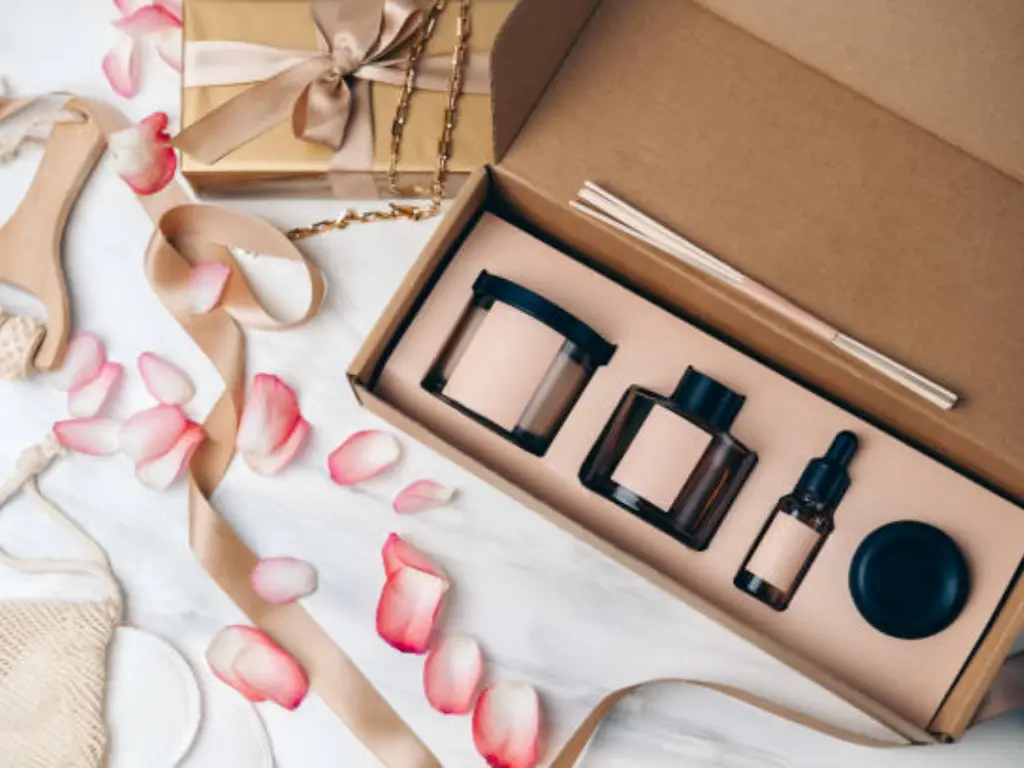
All the choices in packaging design revolve around one, central thing: your diffuser bottle. This ship is the pivot of the whole project. Misunderstand the foundation and the whole structure is compromised. A poor bottle, one that has uneven dimensions, thin glass, or obvious flaws, is a nightmare that a packaging designer has to live with, and it requires tradeoffs that can make the unboxing experience cheap.
The answer is to begin with a base of quality and precision. A professional glass bottle of high quality is a master key to a smoother and more efficient design process. Our specialty at Daxinglassbottles.com is to offer a complete package: high-quality glass aromatherapy bottles and the custom diffuser packaging to go with it. We are specialists in precision engineering and therefore design the bottle and its packaging simultaneously. This combined solution ensures a seamless fit between the custom vessel and its protective box, which is not possible when using different vendors, and which leads to guesswork and expensive mistakes. This makes the perceived value smooth- the weight and perfect clarity of the glass, the perfectly made packaging that it is presented in, all of this makes the entire product and makes it worth the premium price point.
Building the Shell: A Deep Dive into Box Structures and Materials
After you have designed your signature bottle, the next thing to do is to design its ideal home. The outer packaging is a 3D canvas of your brand and a key part of user experience. Its physical appearance determines the way the product is held, opened and perceived. Now we can take a closer look at the main architectural styles.
The Folding Carton: The Versatile Standard
The modern retail packaging is based on the folding carton. This traditional rectangular box is made to perfection using a single sheet of paperboard (usually 300-400 gsm) which is printed, decorated, die-cut and scored. It is so smart because it is so efficient; cartons are delivered to you flat, which saves a lot on shipping expenses and storage space.
In addition to the usual “tuck-end” style, other variations such as an “auto-bottom” or “crash-lock” base automatically snap together, accelerating assembly of larger production runs. This structure is the final form, functionality, and finances balance, which is why it is the perfect solution to the brands that need a beautiful, friendly, and affordable solution.
The Rigid Box: The Architecture of Luxury
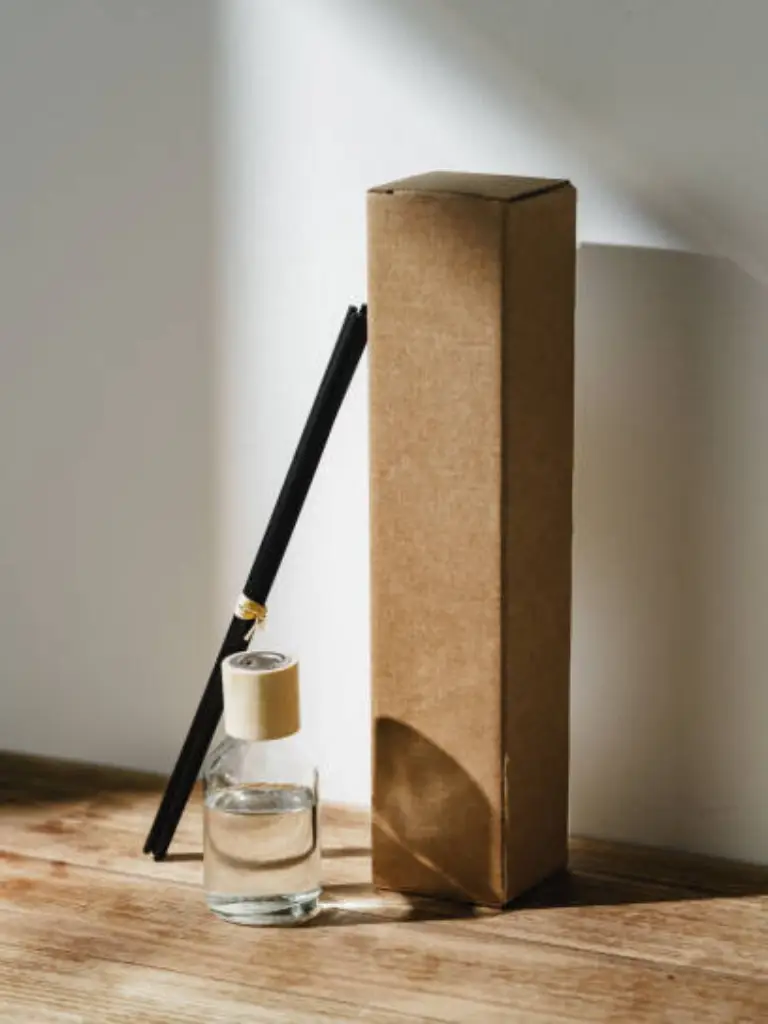
When it comes to brands that are in the luxury segment, the discussion is bound to be about the rigid box. It is not just a container, it is a declaration of uncompromising quality. It is constructed differently, with a centre of thick, non-collapsible greyboard or chipboard. This solid frame is then carefully covered with a decorative surface material, whether fine art paper, fabric or leatherette.
This is a labor intensive process that gives the high end brands the satisfying weight, sharp corners and durable feel. The most common are the lift-off lid (also known as a telescoping box) or the book-style box with a beautiful magnetic closure. A rigid box is nearly always accompanied by a custom-fit insert, typically of high-density foam, molded paper pulp, or satin-lined cardboard, to hold the diffuser bottle in a perfect fit, and make the unboxing a ceremony. It is not meant to be thrown away, but to be retained.
The Cylinder Tube: The Modern Statement Piece
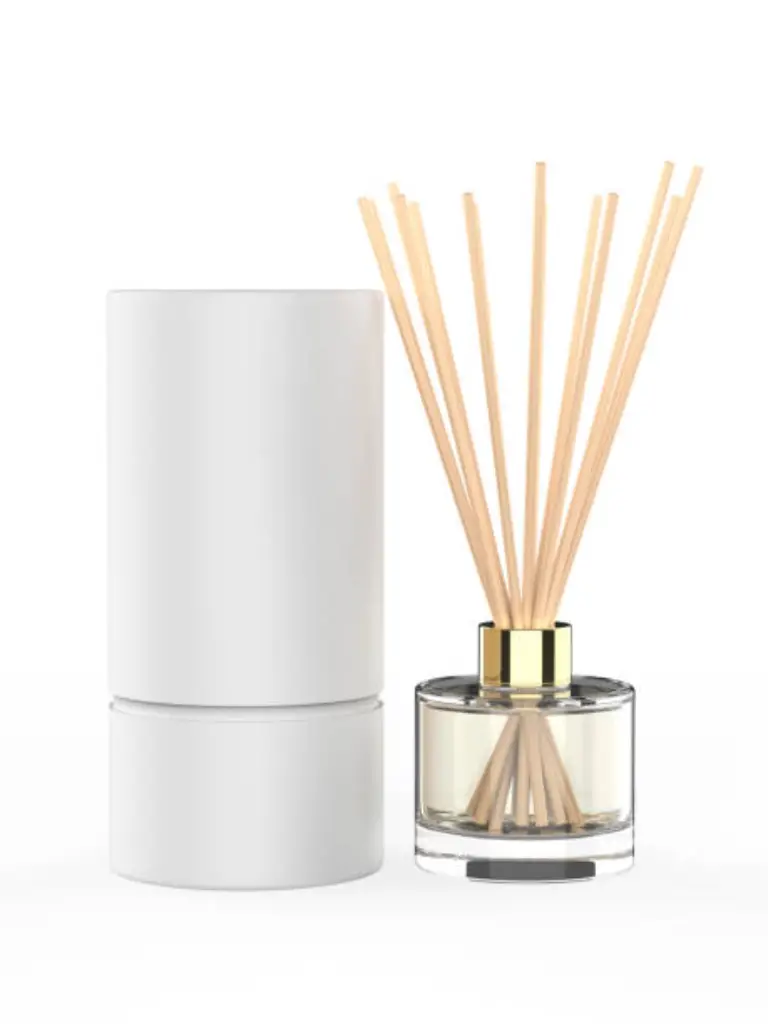
The cylinder tube is an elegant and modern alternative to the rectangular mold that brands may want to escape. It is constructed by spirally winding and laminating several layers of stiff paperboard around a cylindrical mandrel to produce a seamless and impressively strong structure. This structure offers superior crush and impact protection.
The main attraction is its distinct 360-degree branding canvas, which enables unbroken, uninterrupted patterns and graphics that wrap around the surface. The cylinder tube is purposeful, artistic, and contemporary with the possibility of simple rolled-edge paper lids or high-end metal plugs. It is an effective option to brands who desire to have their physical appearance as unique as their scent.
The Role of Material: Dressing the Structure
This structural choice is closely connected with your material choice. The skin of your brand is the first handshake with your customer, the material. It may be the simple, modest language of raw, earthy kraft paper, which talks about natural and sustainable values. Or, it may be the smooth, clean surface of coated art paper, which offers the ideal surface on which to print in high fidelity and high color, and which gives a clean, professional appearance. To achieve the ultimate in luxury, however, brands resort to textured and specialty papers. A delicate linen finish, a soft-touch matte lamination or an iridescent sheen provides an extra dimension of sensory pleasure, telling the customer that nothing has been left to chance.
Designing a Visual Identity That Captivates
You have a good structure and a good foundation, now you can resort to the art of visual storytelling. Your design is the voice of your brand, and it is the expression of the personality of your brand in a language of color, typography, and texture. This is where you appeal to your customer at an emotional level. The first is your general appearance. Do you have a minimalist brand that is based on clean lines, generous white space, and sophisticated, subtle typography? Or are you a maximalist brand, full of loud patterns, saturated colors, and detailed drawings? This essence must be your North Star, and every design decision must be made in accordance with it.
Then there is the magic of finishing touches–the things that turn a plain box into a multi-sensory experience. These are the ornaments of your package. A little gold foil stamping will give a spark of luxury and make the eye focus on your logo. Embossing (raising a design) or debossing (imprinting a design) provides a slight, tactile quality that begs to be touched. A spot UV gloss finish can make a dramatic contrast, where a certain element stands out with a high-shine finish on a matte background. Such information is not trivial, it is a potent means of making a memorable and high-quality product.
Navigating Production: From Dieline to Delivery
The process of moving a digital design into a physical object can be intimidating, but learning the language and process of production makes it a non-issue. There are some important terms that you will come across when you approach a packaging supplier. The most significant is the dieline. This is the technical plan of your box. It is a 2D, flat diagram of all the cut lines, fold lines and glue tabs. Your graphic designer will put your artwork on this template.
After you have submitted your artwork, the next process is proofing. You will probably be sent a digital proof (a PDF) and, at a small cost, a physical sample. Never fail to invest in a physical sample. It is the last opportunity to check the fit with your real diffuser bottle, touch the material, and view the colors in the real-life light. Before you are ready to request a quote through email or a form on a web site, have the following information ready so that it can be accurate:
| Specification / Component | Details to Provide |
| Box Style | State the desired structure, e.g., Folding Carton, Rigid Box, or Cylinder Tube. |
| Dimensions | Provide the exact interior dimensions required to fit your product: Length x Width x Height. |
| Material | Specify the paper type and weight, e.g., 350gsm C1S Paperboard, Kraft Paper, or a specific textured paper. |
| Printing | Detail your color requirements, e.g., Full CMYK, 2 Pantone Colors (PMS), or No Printing. |
| Finishes | List all desired special finishes, e.g., Gold Foil, Embossing/Debossing, Spot UV, Matte/Gloss Lamination. |
| Quantity | State the total number of boxes you wish to order (e.g., 500, 1000, 5000). Pricing is highly dependent on volume. |
Choosing Your Partner & Answering Key Questions
How to Vet and Choose the Right Packaging Partner
Selecting a packaging supplier is a very important decision, because they are not just a vendor, they are a long-term partner in the growth of your brand. Consider them as a whole and not just by the price quoted. The first thing a great partner must show is their experience with a solid portfolio, preferably with previous work in home fragrance or cosmetics that is similar to your project. This first question is also a test of their communication; they must be responsive, clear and capable of patiently answering technical questions, possibly through a live chat feature on a web site. In these discussions, you should ensure that they are able to work with the particular materials and intricate finishes that your design needs. Moreover, it is essential to know their logistics and shipping well, including production lead times and international shipping possibilities, to plan your inventory and launch schedule. Lastly, the feasible aspect of Minimum Order Quantity (MOQ) should be in line with your budget and sales forecasts so that the partnership is sustainable, particularly in the case of new brands.

Conclusion
The path towards the development of the ideal reed diffuser packaging is a considerate process of strategic decisions. It starts with a good base- choosing the appropriate structure and material that communicates in the language of your brand. It is pegged on the inherent nature of the diffuser bottle itself, the central point around which all design choices have to be made. Then it grows into a complete identity with the help of the stunning visual design and the beautiful finishing touches. Knowing how the production process works and selecting your partners carefully, you become an informed creator rather than a simple buyer. Now you are ready to make something more than a box. You are prepared to make a physical brand ambassador, a foretaste of the sensory experience that you have so diligently designed. You are prepared to create the whole package, a gorgeous ceremony, the first look to the last drop of perfume.
 English
  Spanish
  French
  German
  Arabic
  Italian
  Dutch
Dutch  Portuguese
  Russian
  Korean
  Japanese