
Introduction
As a casual host planning a weekend party, a wine lover seeking a special gift, an event planner organizing a big gala, or a brand manager introducing a new sparkling wine, it is essential to know the precise size of a champagne bottle. The selection of the appropriate bottle of champagne determines your budget, the aesthetics of the event, the practicality of serving, and even the long-term maturation of the wine. The variety of champagne bottle sizes is overwhelming, and it is even more intimidating when one is faced with the names of the bottles that sound more like an ancient history course than a beverage menu. This guide fully unravels all the bottle formats, from the tiniest single servings to the largest champagne bottles in the market, so that you are sure to find the perfect bottle to use on any occasion or business requirement.
The Complete Champagne Bottle Size Chart
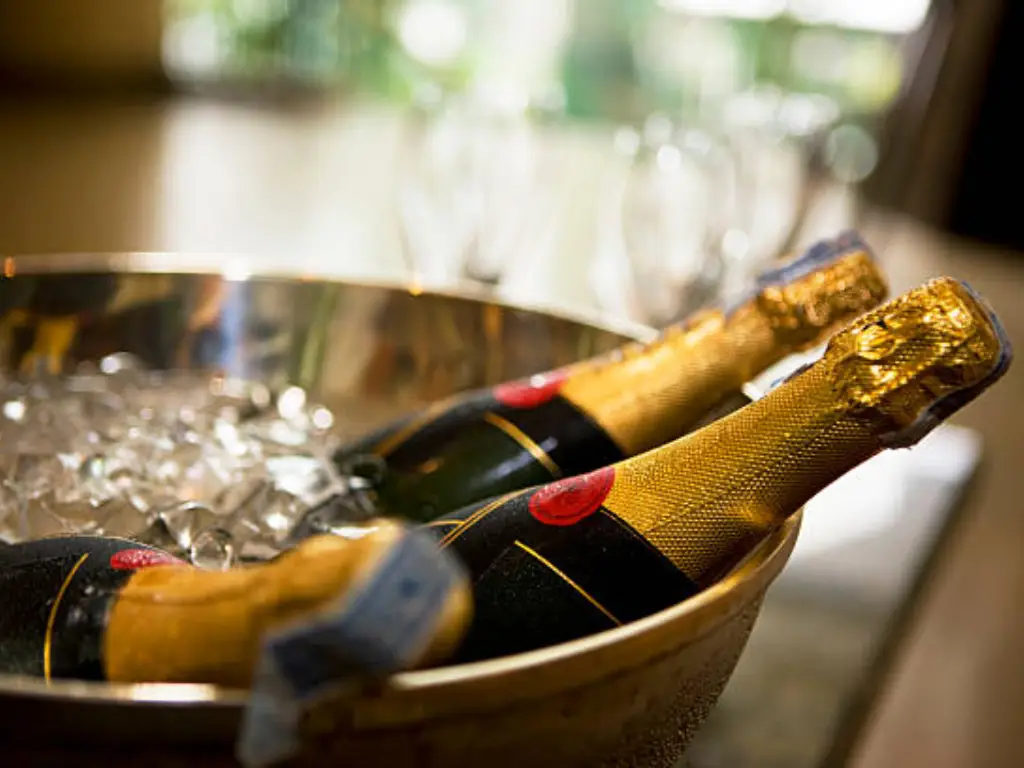
The standard format is the benchmark of all your calculations when planning any event. However, as you scale to larger formats, the dynamics of pouring change significantly, and the number of guests you can comfortably serve also changes. The following is the detailed list of all the sizes of champagne bottles, their capacities and the number of glasses of champagne (using a standard 5 oz or 150 ml pour) that you can get out of each size of bottle.
| Bottle Name | Capacity | Equivalent Standard Bottles | Approximate Glasses of Champagne | Ideal Occasions & Uses |
| Piccolo / Quarter | 187.5 ml | 1/4 bottle | 1.25 glasses | Airline cabins, corporate gift baskets, wedding favors, single toasts. |
| Demi / Half | 375 ml | 1/2 bottle | 2.5 glasses | Intimate dinners for two, hotel room service, premium small gifts. |
| Standard | 750 ml | 1 bottle | 5 glasses | Everyday dining, small gatherings, standard restaurant and retail sales. |
| Magnum | 1.5 Liters | 2 bottles | 10 glasses | Dinner parties (4-6 guests), optimal long-term aging, premium gifting. |
| Jeroboam | 3 Liters | 4 bottles | 20 glasses | VIP club tables, New Year’s Eve parties, sporting event podiums. |
| Rehoboam | 4.5 Liters | 6 bottles | 30 glasses | Luxury corporate milestones, medium-sized banquets, exclusive tastings. |
| Methuselah | 6 Liters | 8 bottles | 40 glasses | Wedding receptions, art gallery openings, significant anniversaries. |
| Salmanazar | 9 Liters | 12 bottles | 60 glasses | Large banquets, VIP corporate events, highly impressive centerpieces. |
| Balthazar | 12 Liters | 16 bottles | 80 glasses | Grand weddings, luxury yacht parties, major brand product launches. |
| Nebuchadnezzar | 15 Liters | 20 bottles | 100 glasses | Epic celebrations, grand hotel lobby displays, mega-events. |
| Solomon / Melchior | 18 Liters | 24 bottles | 120 glasses | Ultra-luxury events, high-end retail showcases, state banquets. |
| Sovereign | 26.25 Liters | 35 bottles | 175 glasses | Cruise ship christenings, maritime traditions, custom VIP commissions. |
| Primat / Goliath | 27 Liters | 36 bottles | 180 glasses | Record-breaking celebrations, ultimate luxury PR stunts. |
| Melchizedek / Midas | 30 Liters | 40 bottles | 200 glasses | The ultimate showstopper, extravagant billionaire parties, grand spectacles. |
Biblical Kings: History Behind Champagne Bottle Names
The strange names of larger formats have a long history that is based on intentional marketing. In the late 19th century, the champagne houses discovered that the usual metric descriptions were not romantic. They resorted to antiquity to give their larger bottles prestige.
The producers were able to position these magnificent vessels as a conclusive symbol of luxury by linking a larger volume to a great biblical king or a holy biblical patriarch. The entire royal and historical pedigree of the nomenclature is as follows:
- The Jeroboam bottle (3L): This is named after the first king of Israel.
- Rehoboam (4.5L): Solomon’s son and King of Judah.
- Methuselah (6L): A biblical patriarch who was famous due to his long life (suitable for old wine).
- Salmanazar (9L): This is named after the great Assyrian kings.
- The Balthazar bottle (12L): It is named after one of the wise men of legend who brought gifts to the nativity.
- Nebuchadnezzar (15L): Praises the renowned and mighty king of Babylon.
- Solomon / Melchior (18L): Named after the very wise King of Israel or one of the wise men.
- Goliath (27L): The giant warrior of the Philistines deserves to be honored with its huge size.
- Melchizedek (30L): King of Salem and supreme priest, the absolute summit of champagne bottles.
This was a brilliant branding technique used centuries ago, and it instantly projected the image of grandeur, and the brand has built a reputation of prestige that has dominated the wine industry in the world today.
Choosing the Perfect Size for Every Occasion
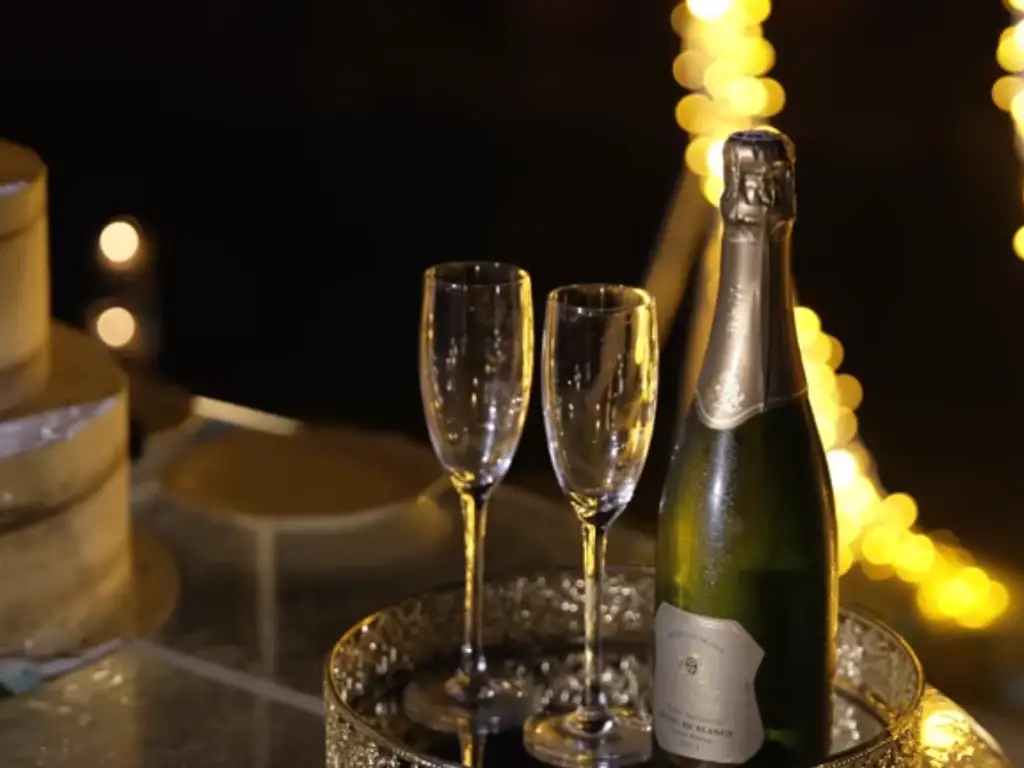
The choice of the ideal bottle is a question of the correspondence of the size of the champagne with the character of the event. Purchasing the correct bottle of champagne will guarantee the greatest pleasure without wasting money and logistical nightmares. The following is the method of identifying the vessel with the moment:
- For small gatherings and intimate moments: Smaller bottles are so handy. Two people having a romantic dinner should have a half bottle of champagne (Demi) as it is just enough to have a fresh pour without having to commit to a full bottle. Likewise, Piccolo is best suited to first-class cabins or high-end corporate gift-giving, where the experience is one glass.
- For everyday dining: The popular bottle of champagne (750 ml) is the standard bottle used in regular retail and everyday restaurant service.
- For dinner parties: When the number of guests increases, you have to consider the bigger formats. The magnum bottle (1.5 Liters) is universally loved by professionals to entertain 4 to 6 people.
- For special events: Milestone birthdays or galas will require an upgrade to a double magnum (Jeroboam, 3 Liters) or a Methuselah (6 Liters). These larger bottles are commonly used by brands such as Veuve Clicquot and Armand de Brignac since they turn an ordinary service of drinks into a very memorable experience of champagne.
Commercial Guide: Serving Oversized Champagne Bottles
Big formats of champagne bottles are the artillery of beverage service when it comes to prestigious events and high-end hospitality. Nevertheless, handling several liters of champagne contained in heavy and pressurized glass necessitates different operational procedures.
To begin with, the physical weight of a huge bottle cannot be underestimated. A complete Nebuchadnezzar (15 Liters) may weigh more than 80 pounds (36 kg). You cannot just take this out of a normal refrigerator and pour it manually. F&B teams have a special mechanical pouring cradle that allows them to tilt the bottle safely, so as not to disturb the sediment, and without risking injury.
Secondly, it takes planning to chill these huge ships. A typical bottle could take 30 minutes in an ice bucket, whereas a balthazar bottle needs a specially made, oversized basin and several hours of submersion in an ice-and-water slurry to achieve the ideal serving temperature. The logistical difficulties notwithstanding, the visual effect of displaying such a rare bottle at high-end events is a real spectacle, which is worth the effort, and will fetch high prices and unmatched social media coverage.
Glass Quality for High-Pressure Champagne Bottles
Although the design of various sizes of the champagne bottles is fascinating, the design of the glass is very important for the safety of the wine. A champagne bottle is essentially a pressurized container. Conventional standard bottles have to be able to withstand an internal pressure of about 90 psi, which is three times more than a typical automobile tire. In the case of a larger volume, the overall force applied to the walls increases many times in the second fermentation process. The vessel may fail catastrophically in case of the glass thickness, distribution, or structural integrity being compromised.
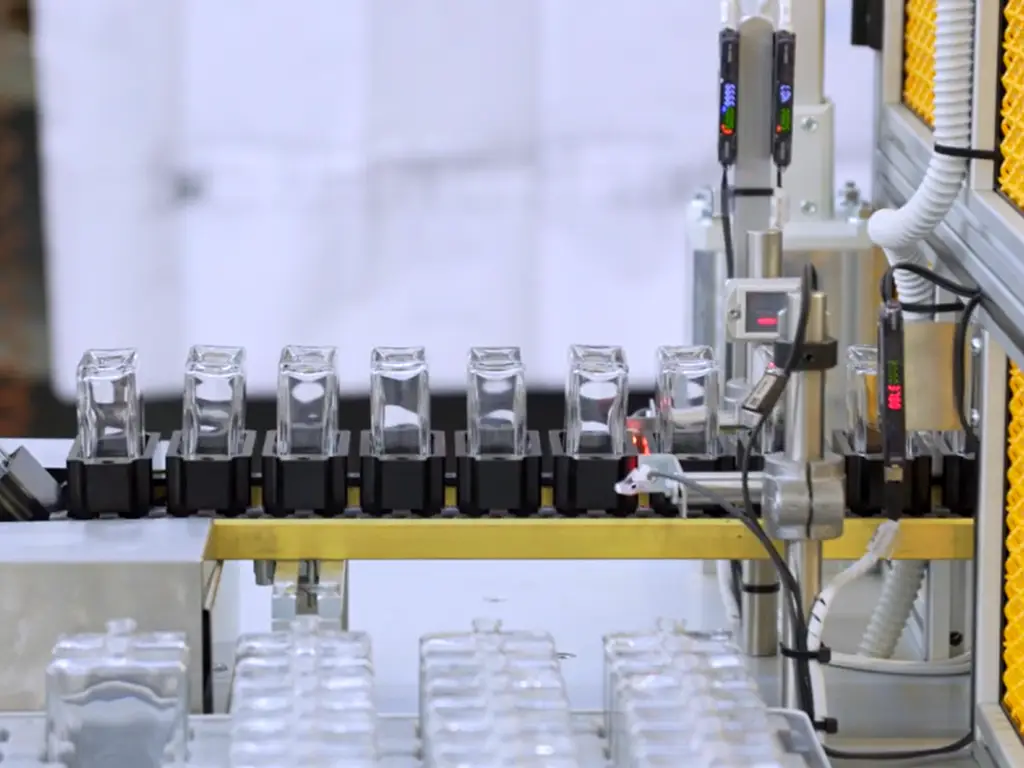
Since a substandard bottle format may result in serious safety consequences and loss of products, the manufacturer is the silent hero of a perfect champagne experience. This is where Daxin Glass Bottles offers an unquestionable benefit to wineries and beverage brands. Daxin Glass specializes in high-pressure, precision-engineered packaging, which guarantees a consistent thickness and high-pressure resistance of all sizes. Collaboration with Daxin ensures an uncompromising supply chain, which ensures that your sparkling wines are safe, visually appealing, and that they are well preserved between the bottling line and the last pour.
Standard vs. Large Format: The Aging Potential
Behind the show, there is a deeper scientific explanation as to why wine enthusiasts and champagne lovers are aggressively pursuing bigger formats. The aging process and the final flavor profile of the liquid in the bottle are directly dependent on the size of the champagne bottle.
The best type of long-term cellaring in the fine wine world is the magnum bottle (1.5 Liters). The science of this is in the proportion of air (the ullage space between the bottom of the cork and the surface of the wine) to the quantity of the liquid. A Magnum holds twice the amount of liters of champagne as a regular bottle, yet the size of the neck and the quantity of oxygen trapped are all the same.
This particular ratio is a time capsule, which makes the oxidation process much slower. Since the wine is exposed to a relatively lower amount of oxygen with time, it acquires more depth and maintains its lively acidity with a significantly longer life in the cellar. The aromas of the champagne change gradually and gracefully as the years go by, and the extremely complex flavors, including toasted brioche, honey, and truffles, would be lost to quick oxidation in smaller bottles. Thus, to the serious collector, the Magnum is the unquestioned standard.
Frequently Asked Questions About Champagne Sizes
What are the biggest champagne bottles you can purchase?
The largest known size is the Melchizedek (also called the Midas), which carries an incredible 30 liters of champagne. That is the equivalent of 40 regular bottles of champagne and it takes great talent to produce and serve.
How many glasses of champagne are in a standard bottle?
The average 750 ml standard format bottle will produce about 5 to 6 glasses, again depending on the size of your flutes and how generous you are with your pour.
Why are champagne bottles thicker than regular wine bottles?
Since champagne has carbon dioxide produced in its secondary fermentation, the bottle has to be thick and heavy to be able to hold the huge internal gas pressure without breaking.
Is Jeroboam the same size for all wines?
Interestingly, no. A bottle of Champagne or Burgundy is 3 liters (4 standard bottles). But a Jeroboam in the Bordeaux area normally contains 4.5 liters (6 standard bottles).
Conclusion
Whether it is a matter of practicality in serving a crowd or the science of the aging process, learning the various sizes of the champagne bottles is a priceless art. Whether you are planning a set of grand events and have to figure out the exact number of beverages, or you are a collector who wants to find the right Magnum to store in the cellar for over ten years, the right bottle size makes the whole experience better.
In case you are an event professional or a host, save the entire size chart above so that your next party can be fully equipped. In case you are a beverage brand or a winery, and you need a high-quality, pressure-tested glass bottle manufacturer that can make your next sparkling wine project come to life safely and beautifully, contact Daxin Glass today to discuss your commercial packaging needs.

 English
  Spanish
  French
  German
  Arabic
  Italian
  Dutch
Dutch