
Is Glass Bottle Recyclable? The Straight Answer
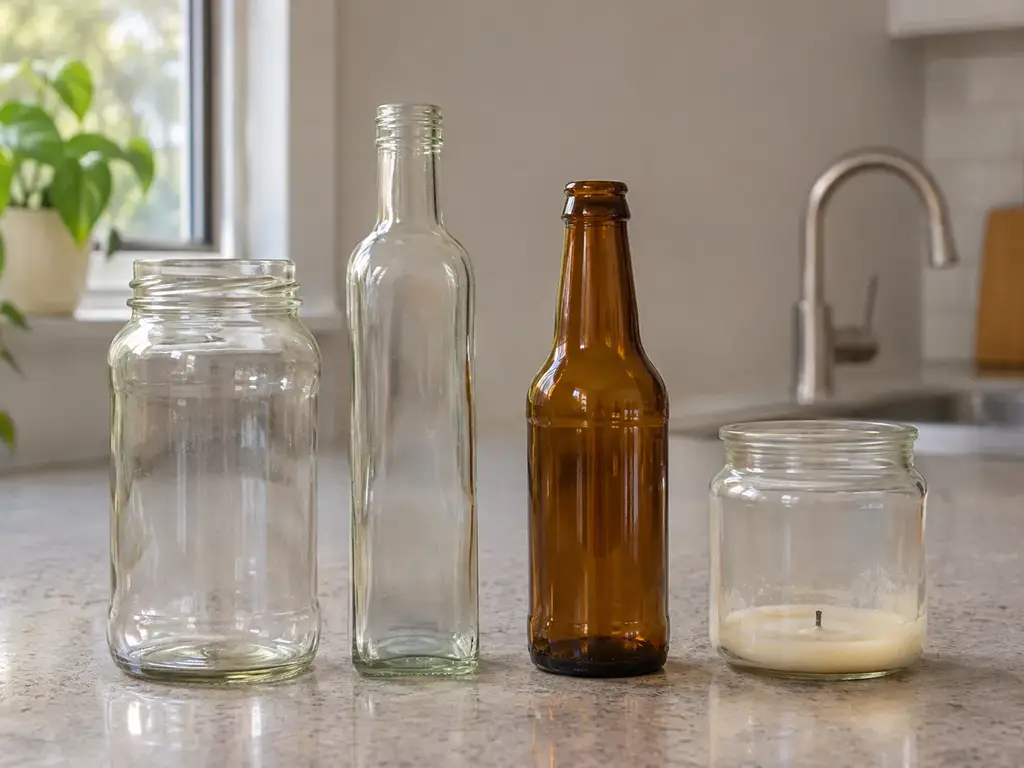
A candle jar sits on the counter with half an inch of wax stuck to the bottom. Next to it: an olive oil bottle, a pasta sauce jar, a lotion bottle with a pump that refuses to come off. Before any of these goes into a bin, here is the answer you actually need.
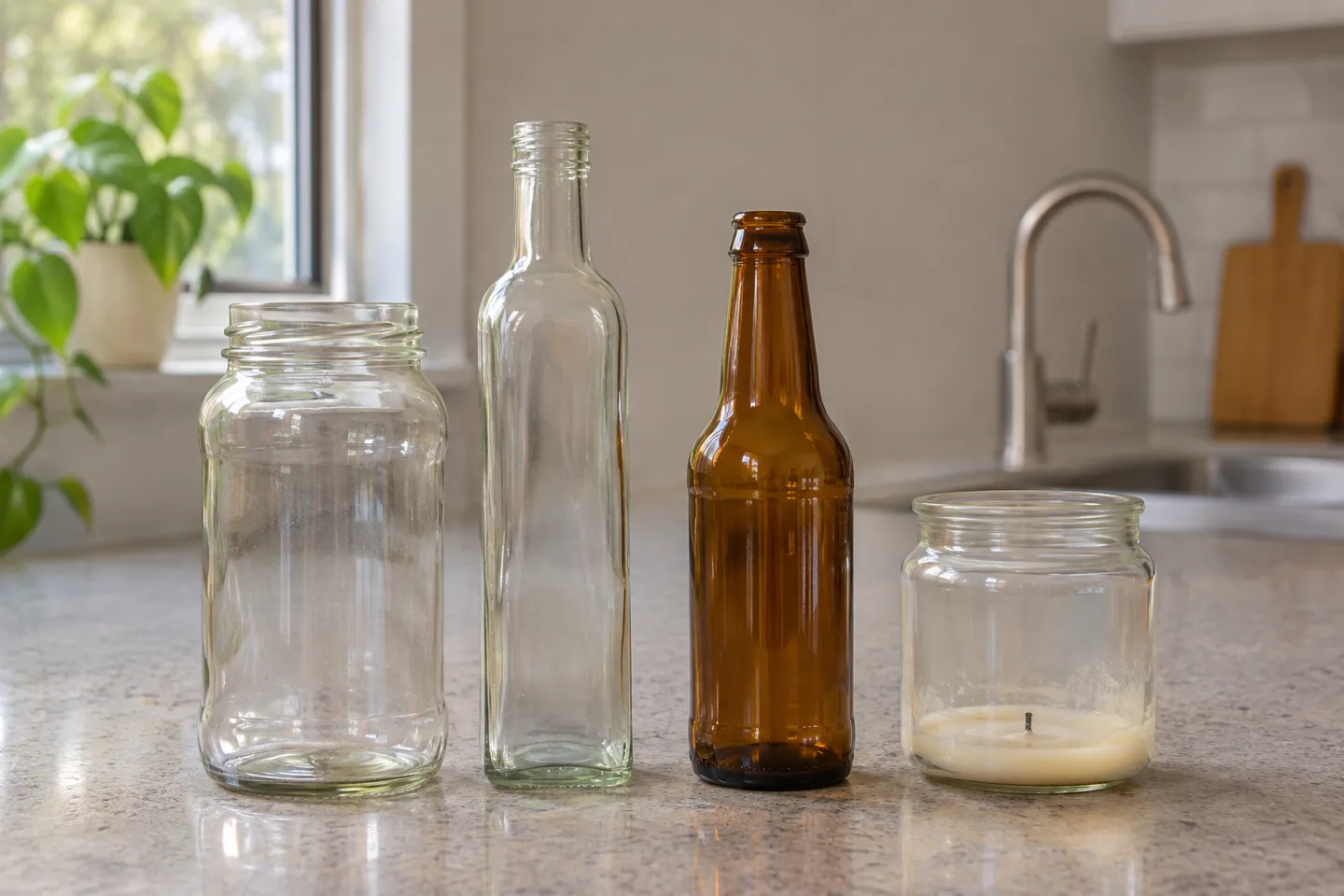
Yes, glass bottles and jars are recyclable, and not in the qualified way plastic is. Container glass is 100% recyclable, and it can go through the crush-melt-form cycle endlessly with no loss of quality or purity (GPI). Clear, green, and brown bottles all qualify. Plastic breaks down a little every loop because its polymer chains shorten each time it is remelted. Glass has no chains to break, so a bottle made partly from 40-year-old glass is still a brand-new bottle in every way that matters.
Source: GPI Glass Recycling Facts.
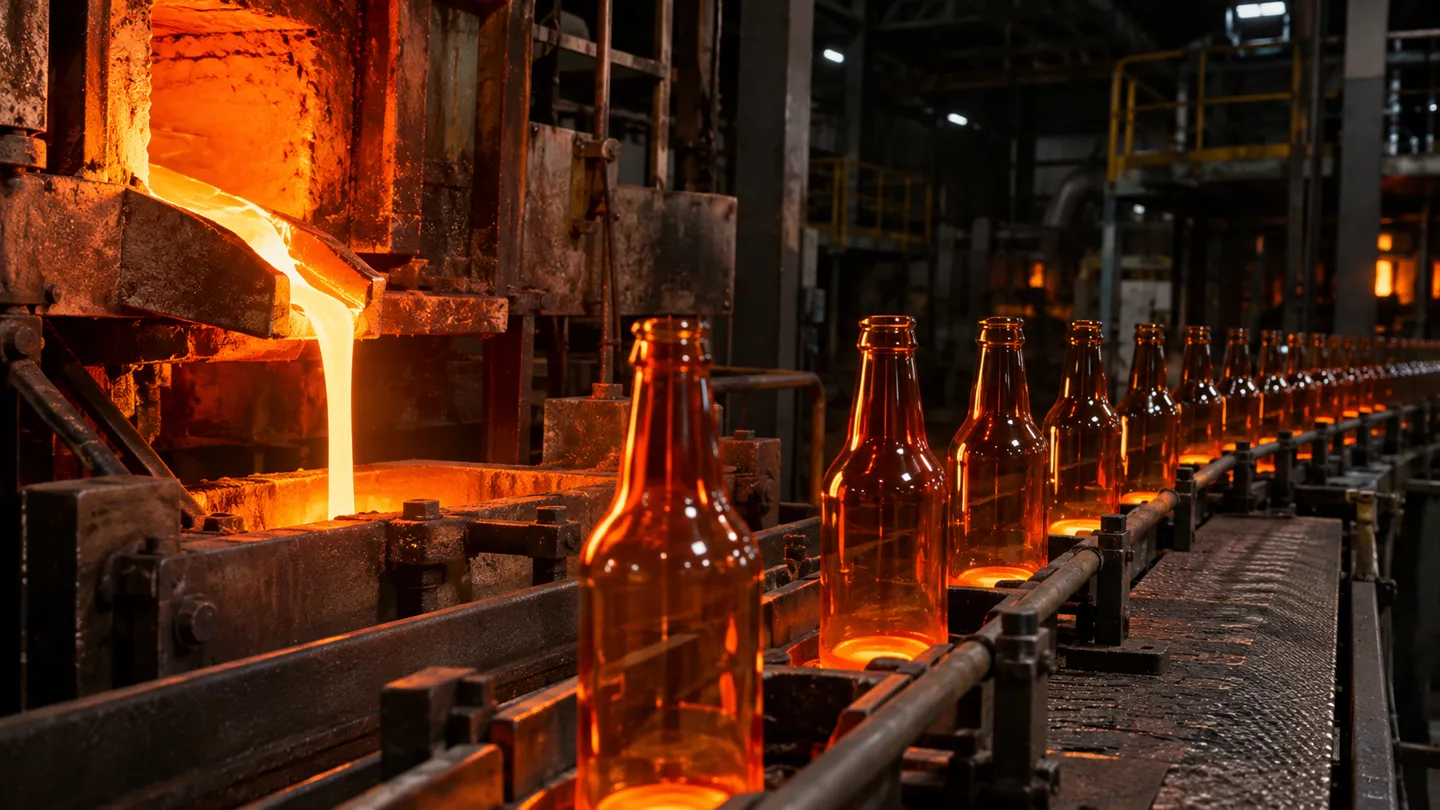
The material itself is simple: sand, soda ash, and limestone, melted into the sodium-lime glass that makes up virtually every food, beverage, and cosmetic container on the shelf. Crushed recycled glass, called cullet, melts at a lower temperature than virgin raw material, so it goes straight back into the furnace and comes out as new bottles. This is a real closed loop, not a downcycling hope. Glass packaging plants run on it daily.
But there is a catch that the recycling symbol does not show. Recyclable describes the material. It does not describe what your local system will actually accept, or what the furnace will actually receive. That gap is where bottles get lost, and it is worth understanding before you rinse another jar.
Which Glass Bottles Belong in the Bin and Which Never Do
Not everything that looks like glass is the same glass, and one wrong item can spoil a whole batch. Container glass melts at one temperature. Ceramics, ovenware, and window glass melt at others. A single Pyrex dish in a furnace load of bottle glass leaves hard, unmelted stones in the new bottles, so processors reject contaminated loads outright. That is why the list below matters more than the recycling triangle stamped on the bottom.
| Glass item | Curbside bin? | Why | What to do instead |
|---|---|---|---|
| Food and beverage bottles and jars (sauce, wine, oil, jam) | Yes | Sodium-lime container glass, endlessly recyclable | Quick rinse, leave labels on |
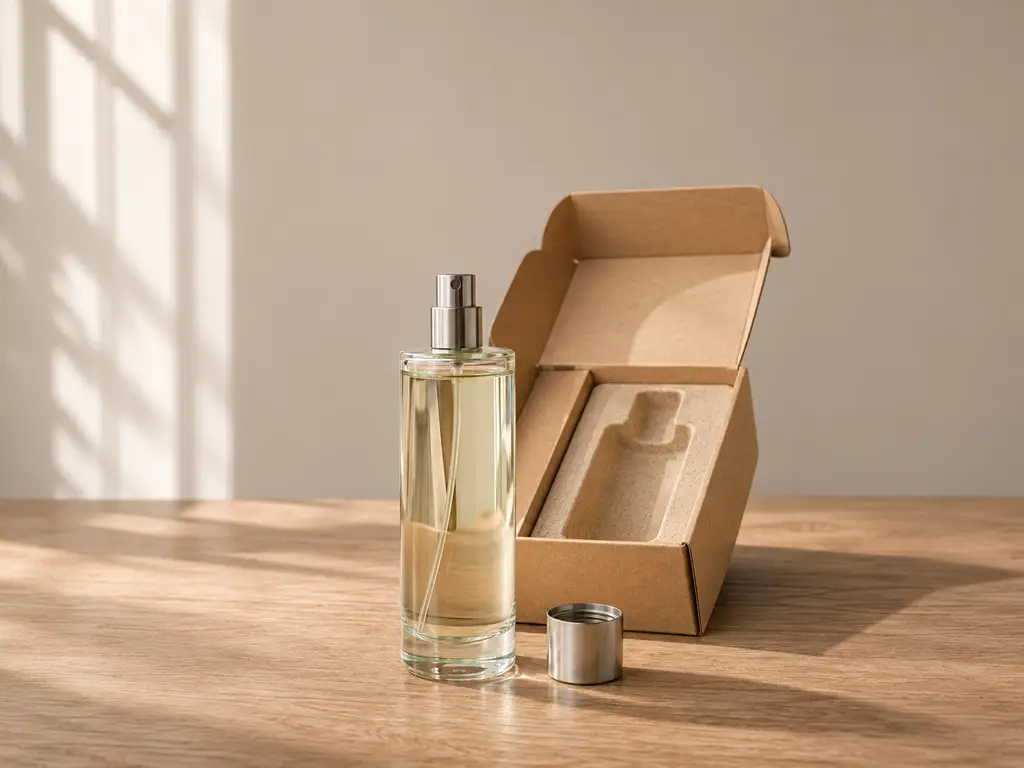
| Perfume and skincare bottles | Yes, empty the glass | The glass is recyclable; pumps and metal collars usually are not | Remove pump or sprayer if it comes off by hand |
| Candle jars | Only if cleaned | Wax residue contaminates processing | Scoop out wax, peel label, then bin the glass |
| Pyrex and bakeware | No | Heat-resistant formula melts at a different temperature | Donate or trash |
| Ceramics and dishware | No | Different melting point ruins cullet batches | Trash or donate |
| Mirrors and window glass | No | Different composition and treatment | Trash wrapped safely |
| Light bulbs | No | Contains metals and coatings | Trash per local rules |
| Crystal glassware | No | Lead content | Donate or trash |
Source: GPI.
One recurring story on recycling forums captures the confusion: a person posts a food jar their program rejected, convinced the glass itself was the problem. The jar was fine. The dried sauce inside was not, or the lid rules were different locally, and nobody had explained the difference.
The codes molded into glass bottoms help you sort: GL 70 marks clear glass, GL 71 green, GL 72 brown, and all three are recyclable container glass (RoadRunnerWM).
Preparation is simpler than most guides claim.
Three Moves Before the Bin
Rinse quickly; leave labels on. The plant washes the glass at high temperature anyway (GPI).
Caps and lids follow local rules: programs differ city by city.
Broken glass never enters the bin: wrap it and set it out with the trash.
Where Your Bottle Actually Ends Up (and Why That’s Not the Bin’s Fault)
Here is the uncomfortable part. Glass is infinitely recyclable, and the US system still sends most of it to a landfill. The bottle is not the problem. The collection system is.
The Journey of a Glass Bottle
What Single-Stream Collection Does to Glass
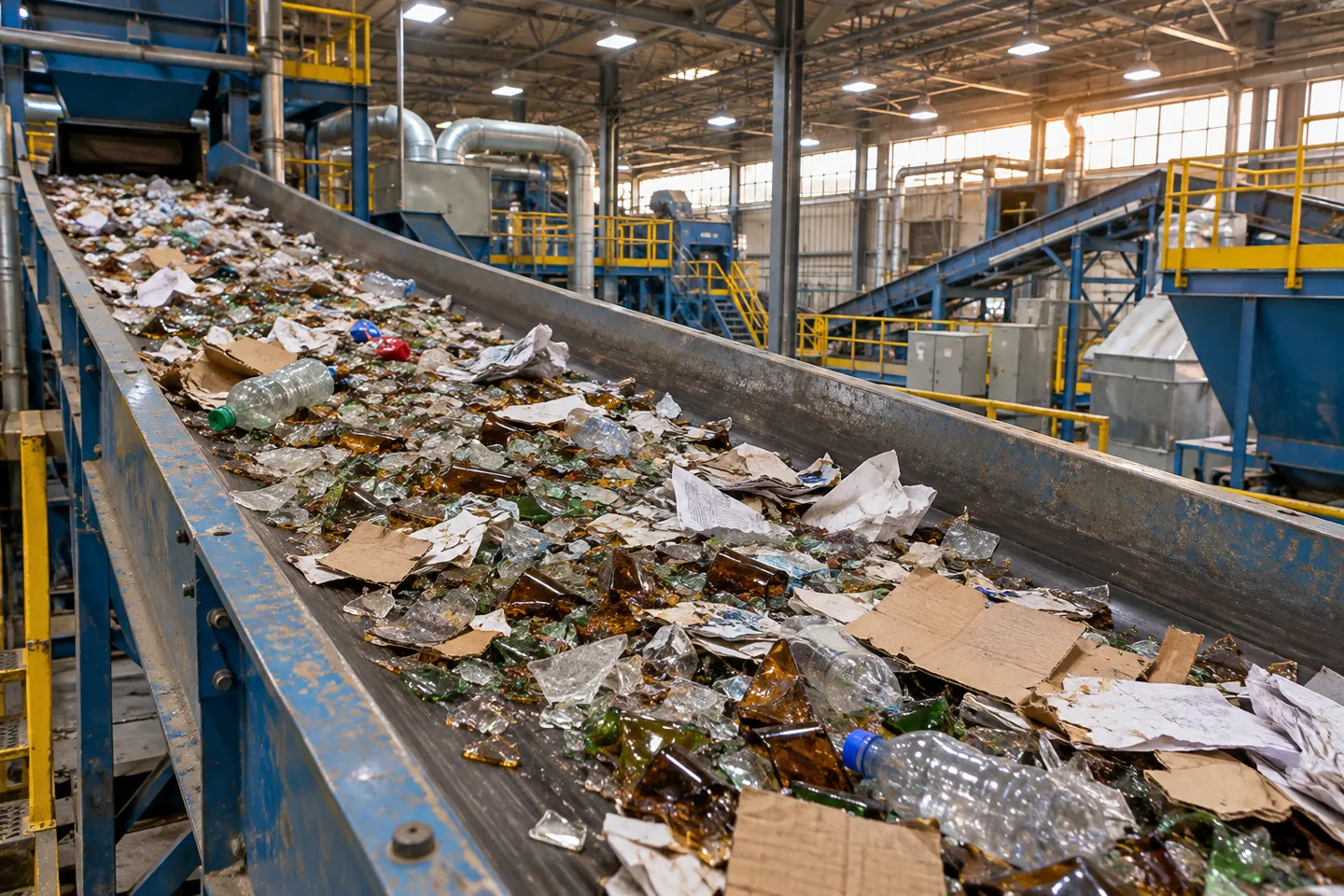
Most US homes have single-stream recycling: one bin for everything. That bin gets emptied into a compactor truck that presses with enough force to crush glass long before it reaches the sorting facility. The shards lodge in cardboard, paper, and plastic, and the mixture loses value for everyone. Shards also jam machinery and cut the workers who have to pull them out. Add the weight of glass, which drives up fuel and transport costs, and the economics fall apart for many operators. Some cities have simply stopped collecting glass at the curb. Residents of one Virginia county found out the hard way and started asking where their jars were really going.
The Numbers Behind the Gap
In 2018, the US generated 12.3 million tons of glass and recycled 3.1 million tons of it, a container recycling rate of 31.3%, while landfills received about 7.6 million tons (EPA, 2018).
Where the glass is collected matters as much as whether it is collected. Only about 40% of the glass from single-stream programs is actually accepted and usable at the sorting facility (GPI). Programs that keep glass separate, through drop-off points or multi-stream collection, push usable yield above 90% (RoadRunnerWM). Deposit states show the same pattern at the policy level: the 10 states with bottle bills recycle glass containers at roughly 63% on average, versus 24% in states without them, and six more states are considering bottle bills (RoadRunnerWM). California already exceeds 80% (GPI). The direction of travel is clear, even if the pace is slow.
Printed on the bottle: 100% recyclable. Delivered by the system: 31.3%.
31.3%
container average
40%
usable yield, single-stream
90%+
when glass stays separate
Sources: EPA (2018), GPI, RoadRunner Recycling.
One recycled bottle also does real work at the furnace. Recycling a single glass bottle saves enough energy to power a 100-watt bulb for four hours (GPI).
What You Can Do Differently Today
Check whether your local program actually accepts glass, and in what form. If you are in a single-stream area, look for a drop-off bin or a bar that accepts bottle returns; many grocery stores and municipal sites keep glass separate for exactly this reason. If you live in a deposit state, the redemption counter pays you to do the right thing. None of this takes more effort than one web search and a different errand route.
Designing Glass Packaging That Survives the Recycling Bin
If you sell products in glass, the question changes shape. Your customers will ask what happens to the bottle after use, and your answer needs to survive someone actually checking. Three design decisions decide whether your packaging is recyclable in practice, not just on the label.
Start With the Material and the Cullet Percentage
Sodium-lime container glass is the first requirement, and almost every reputable supplier meets it. The sharper question is how much cullet goes into the batch. Cullet is not just an environmental story; it is an operating one. Every 10% of cullet in the furnace mix cuts energy use by roughly 3%, and every six tons of recycled container glass avoids about one ton of carbon dioxide (GPI). New containers are typically made with up to 70% recycled glass (GPI). One kilogram of cullet replaces about 1.2 kilograms of virgin raw material (RoadRunnerWM). Ask any supplier for their actual percentage and where the cullet comes from. A plant that cannot answer either question is buying glass, not making a case for it.
Cullet Economics at the Furnace
3%
less furnace energy for every 10% cullet in the batch
1 ton
of CO2 avoided per six tons of recycled container glass
70%
recycled glass content in new containers, typical max
1.2 kg
virgin raw material replaced by one kilogram of cullet
Source: GPI, RoadRunner Recycling.
Make Every Component Separable
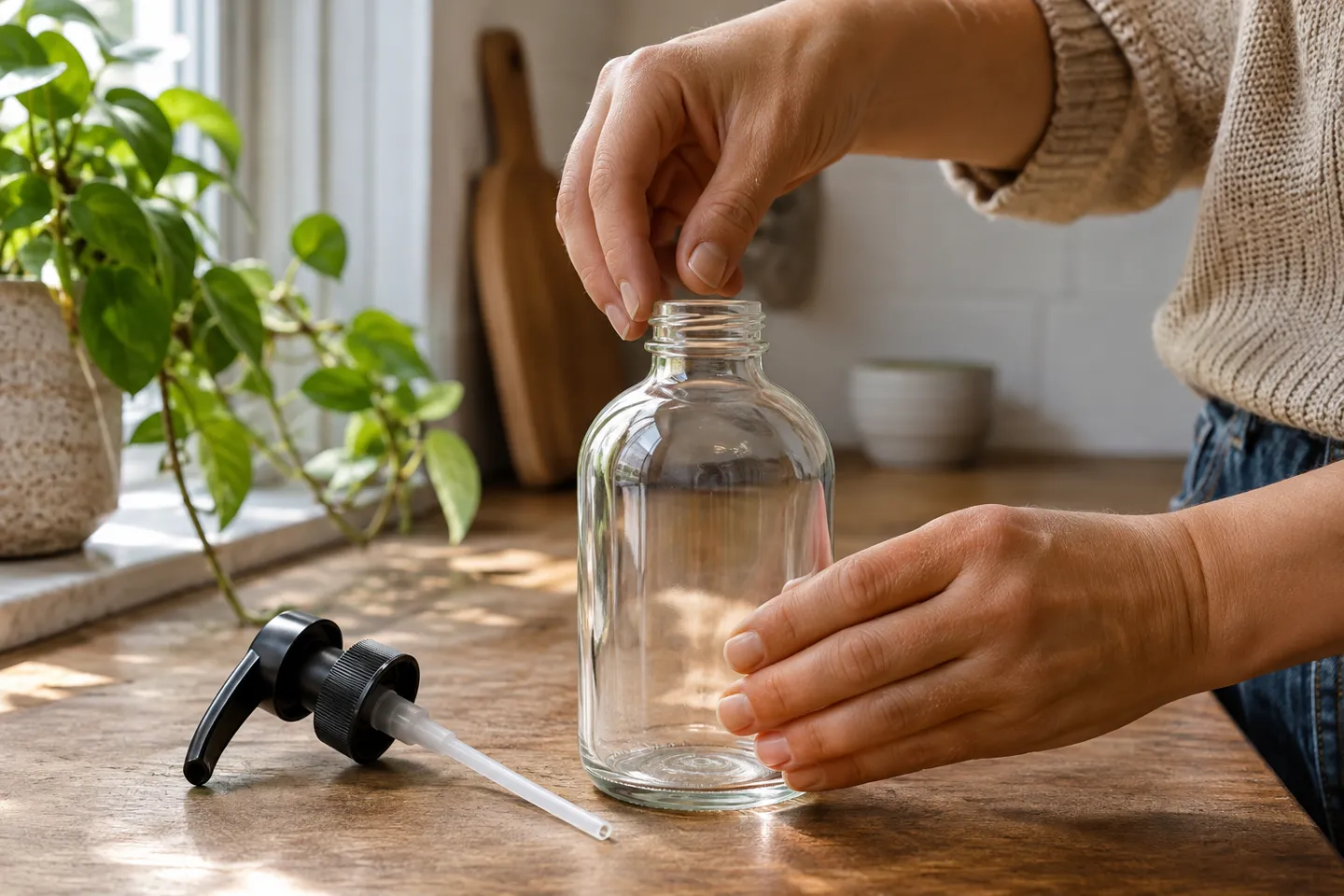
The glass passes the recycler’s test. The pump, sprayer, collar, or wax lining often does not. Mixed-material packaging gets rejected at the bin because sorters cannot process what consumers cannot take apart. The design test is simple: can an average customer strip the plastic and metal off the glass with their hands, in one minute, without instructions? Candle jars need a wax cleanup path, like a warm-water soak, before the glass qualifies. Perfume bottles with crimped sprayers are the hardest case in the industry precisely because the neck cannot be separated. If the components cannot come apart, the honest claim shrinks from “recyclable packaging” to “recyclable glass with components that need removal.”
Run the Pre-Claim Checklist
Before any sustainability language goes on the box, run this list.
Design Review Before You Print the Label
- Material is sodium-lime container glass
- Cullet percentage is documented by the supplier
- Every non-glass component separates by hand
- Residue path exists (rinse, wax soak)
- Claim matches the target market’s actual recycling infrastructure
Each unchecked box is a claim that can be photographed and posted by a skeptical customer. Each checked box is a specification you can hand to a supplier in a single sentence.
Turning Recyclability Into Claims That Hold Up
Everything above reduces to one discipline: recyclable, recycled content, and reusable are three different claims, and they are not interchangeable. “Recyclable” describes the material. “Recycled content” describes what the bottle is made from and needs a percentage. “Reusable” describes a refill or second life. Brands that blur these three into one green word are the ones that get called out.
| Claim | What it describes | Holds up when |
|---|---|---|
| Recyclable | The material itself | Wording matches the target market’s actual recycling infrastructure |
| Recycled content | What the bottle is made from | A percentage is documented, e.g. 50% recycled glass |
| Reusable | A refill or second life | No glass recycling infrastructure exists, so the design supports refills |
The data you just read explains why the blur is risky. A system that delivered a 31.3% container recycling rate in 2018, and loses most single-stream glass to breakage, will not back up a loose promise. Candle sellers on Reddit already market their jars with the number instead of the adjective. Phrases like “our candle jars are made from 50% recycled glass” appear because a specific figure is checkable and a vague one is not. The brands with defensible claims are the ones that turned recycling into a procurement specification first and a marketing line second.
So write the specification into your purchase order, not just your product page. The spec is simple: sodium-lime container glass, documented cullet percentage, hand-separable components, and wording matched to the recycling infrastructure of the market you sell into. Where no glass recycling infrastructure exists, say “reusable” instead, and design for refills.
That is the standard we hold our own catalog to. Daxin runs recycled glass, or cullet, directly into its furnace batches, with bottles made using up to 50% recycled glass and a documented saving of 670 kg of CO2 per ton of glass produced, all published on our sustainability page. If you are comparing suppliers, ask them for the same two numbers: recycled content in the batch and emissions per ton. The ones who can answer will never need a vague green adjective.
Spec Glass That Recycles the Way You Claim
Send Daxin your bottle type, volume, and target market, and get a sodium-lime specification with a documented cullet percentage.
Get a Custom Bottle QuoteReferences
- U.S. Environmental Protection Agency. “Glass: Material-Specific Data.” Facts and Figures About Materials, Waste and Recycling. https://www.epa.gov/facts-and-figures-about-materials-waste-and-recycling/glass-material-specific-data
- Glass Packaging Institute. “Glass Recycling Facts.” https://www.gpi.org/glass-recycling-facts
- Glass Packaging Institute. “Where to Recycle Glass? Tips for Easy and Efficient Disposal.” Glass Packaging Institute Blog. https://www.gpi.org/blog/where-to-recycle-glass-tips-for-easy-and-efficient-disposal
- RoadRunner Recycling. “Why Is Glass Recycling Going Away?” 2021. https://www.roadrunnerwm.com/blog/why-is-glass-recycling-going-away

 English
 Spanish
 French
 German
 Arabic
 Italian
 Dutch
 Portuguese
 Russian
 Korean
 Japanese