
Top 5 Perfume Packaging Manufacturers: The Ultimate Sourcing Checklist
Selecting the right perfume packaging manufacturer is arguably the most consequential supply chain decision a fragrance brand will make. In the highly saturated beauty market, consumers judge the value of a premium fragrance the moment they feel the weight of the glass and hear the magnetic click of the cap. However, behind this seamless user experience lies a treacherous procurement landscape.
For B2B procurement managers, brand founders, and structural engineers, distinguishing between a marketing-heavy trading company and a true manufacturing powerhouse is the difference between a successful global launch and a catastrophic product recall. This comprehensive sourcing guide provides a rigorous, objective audit of the global perfume packaging supply chain, helping you navigate the high-stakes transition from 3D renders to mass-produced reality.
The Hidden Complexity Behind Premium Perfume Packaging
At a superficial glance, luxury fragrance packaging appears to be purely an exercise in aesthetic branding and visual storytelling. In reality, a premium perfume bottle is a highly volatile micro-engineering system. It is not merely a decorative container; it is a pressurized chemical vessel designed to safely hold highly reactive formulations.
This hidden complexity stems from the unforgiving intersection of chemical compatibility, fluid dynamics, and rigid physical tolerances. Structural engineers must calculate the precise glass distribution (especially in heavy-base or “glass-weight” designs) to ensure drop-test survivability without compromising the inner volume. Meanwhile, the dispensing system must be engineered to uniformly atomize viscous essential oils while continuously resisting the corrosive stress of up to 80% concentrated ethanol.
Industry Reality Check: Supply chain auditing data consistently reveals that a significant percentage of high-end cosmetics and fragrance product returns—often exceeding 15% in poorly managed supply chains—are directly attributed to primary packaging failures. These are predominantly caused by micro-leakages and pump malfunctions triggered by temperature fluctuations during international air freight.
When a brand scales its operations, treating packaging as a mere “aesthetic commodity” rather than a precision-engineered system is a fatal error. Selecting the wrong manufacturing partner does not merely result in a batch of minor visual defects; it leads to plummeting profit margins and irreversible damage to brand equity.
Critical Pitfalls in Perfume Packaging Procurement
The fear of making a disastrous procurement decision is entirely justified. The transition from a breathtaking 3D render to a mass-produced, commercially viable product is fraught with both physical and financial landmines. Understanding these technical failures is the first step in establishing a robust defense mechanism for your brand’s bottom line.
The Nightmare of Leakage: Tolerance and Chemical Compatibility
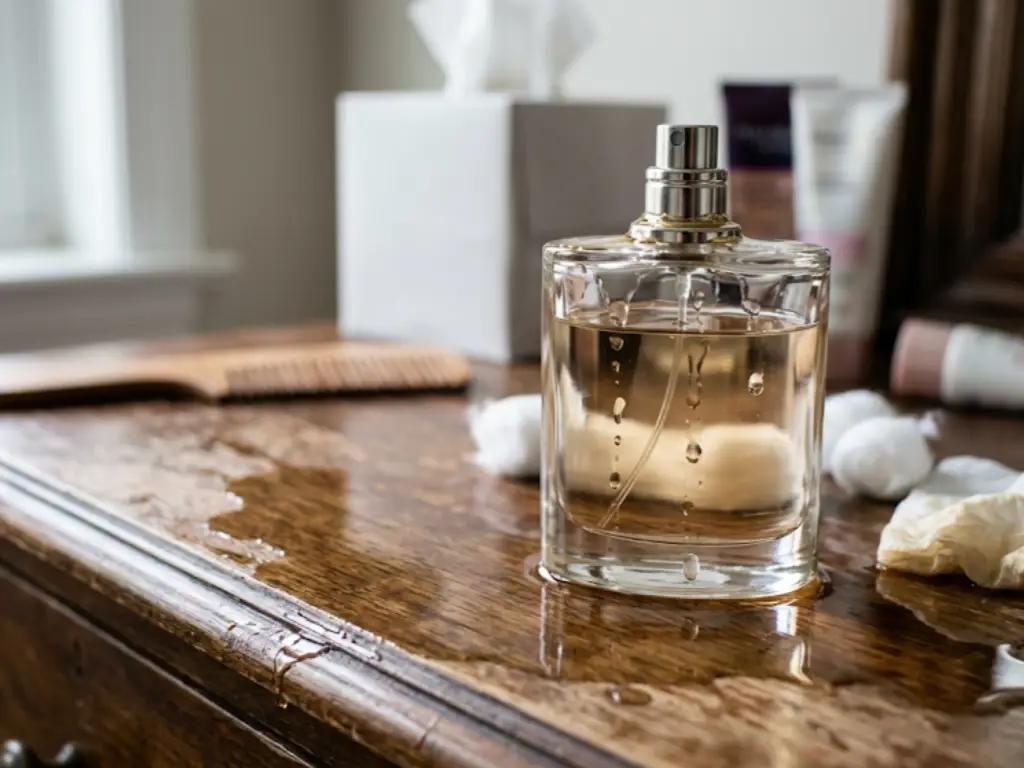
Leakage is the absolute nemesis of the fragrance industry. Novice buyers often assume that screwing a pump onto a glass bottle is a rudimentary mechanical connection. In reality, preventing fragrance leakage relies on delicate hydrostatic seal mechanics—functioning much like a precision heart valve.
From a physical tolerance perspective, the interaction between the glass bottle’s neck finish and the metal or plastic pump collar is extremely unforgiving. In the widely utilized FEA 15 crimp neck standard, even a microscopic, invisible tolerance deviation of ±0.2mm in the glass neck’s external diameter or height can be fatal. Furthermore, if the glass molding process leaves a pronounced parting line (the seam where the two halves of the mold meet) on the sealing surface, the internal gasket of the pump will fail to compress evenly. This imperfect seal inevitably leads to capillary leakage, where the low-surface-tension fragrance liquid escapes through microscopic gaps, especially under the pressure changes of air freight.
From a chemical compatibility perspective, the danger lies within the formula itself. High-end perfumes typically contain 70% to 80% concentrated ethanol, a highly aggressive solvent. If a manufacturer utilizes low-grade POM (Polyoxymethylene) or PP (Polypropylene) for the internal dip tube or uses inferior industrial adhesives within the pump assembly, the ethanol will initiate a chemical reaction. This results in the leaching of plasticizers, causing the perfume to alter its color, the scent profile to degrade, and the dip tube to become rigid and snap. Furthermore, if the internal pump spring is not constructed from medical-grade 304 or 316L stainless steel, the fragrance formula will cause internal rusting, turning a $150 luxury item into a toxic hazard.
The Engineering Benchmark: Leading global testing authorities, such as SGS and Intertek, dictate strict vacuum leak testing protocols for primary cosmetics packaging. A tier-one manufacturer must be capable of providing certification that their fully assembled glass and pump units can withstand a negative pressure of -0.06MPa for 5 minutes without a single drop of seepage.
The Hidden Costs: Custom Molds, MOQs, and Time-to-Market
Beyond the physical engineering, procurement teams face a brutal financial reality: the Total Cost of Ownership (TCO). While creating a bespoke, proprietary bottle shape (Private Mold) is the ultimate dream for brand differentiation, the hidden costs are staggering.
Engaging with top-tier European legacy manufacturers for a fully customized glass mold frequently incurs upfront tooling costs ranging from $10,000 to $30,000 USD. More restrictively, these legacy foundries enforce rigid Minimum Order Quantities (MOQs), rarely accepting production runs below 30,000 to 50,000 units per SKU. For independent brands or limited-edition flankers, this ties up massive amounts of operational cash flow in dead inventory.
However, the most lethal hidden cost is time. The lead time for a custom mold with legacy manufacturers routinely stretches from 90 to 120 days. If a prototyping flaw causes a bottleneck, the brand risks missing critical retail windows, such as the lucrative Q4 Holiday Season. Missing a launch date does not merely cost a brand the $10,000 mold fee; it evaporates millions of dollars in projected quarterly revenue and burns meticulously planned marketing budgets. Agility in the supply chain is no longer a luxury; it is a survival imperative.
Two Dominant Supply Chain Models: Legacy Specialists vs. Agile Turnkey
The aforementioned pitfalls—specifically the tolerance mismatch between glass and pump—frequently stem from how a brand structures its supply chain. Before reviewing specific manufacturers, buyers must decide between two fundamentally different sourcing architectures.
| Evaluation Dimension | Multi-Sourcing (Component Specialists) | Agile Turnkey (One-Stop Solutions) |
|---|---|---|
| Supply Chain Complexity | Extremely high. You must manage separate contracts, timelines, and logistics for the glass foundry, the pump manufacturer, and the rigid box supplier. | Streamlined. A single point of contact manages the engineering, prototyping, manufacturing, and final assembly of all components. |
| Quality Control Accountability | Fragmented. If a bottle leaks, the glass factory blames the pump’s gasket, and the pump factory blames the glass neck’s tolerance. Endless finger-pointing. | Unified liability. Because the manufacturer produces or sources all matching components internally, they bear 100% of the responsibility for the final vacuum leak test. |
| Overall Cost & Time-to-Market | High capital expenditure, massive MOQs, and extended lead times (often 4-6 months total). Best suited for conglomerate megabrands with immense budgets. | Highly cost-efficient. Lower custom tooling costs, friendly MOQs for indie brands, and accelerated time-to-market (often launching within 60-90 days). |
Top Global Perfume Packaging Manufacturers (2026 Edition)
Based on rigorous industry audits, technical capabilities, and market dominance, the following entities represent the pinnacle of fragrance packaging. To aid your procurement strategy, they are divided into two distinct functional camps.
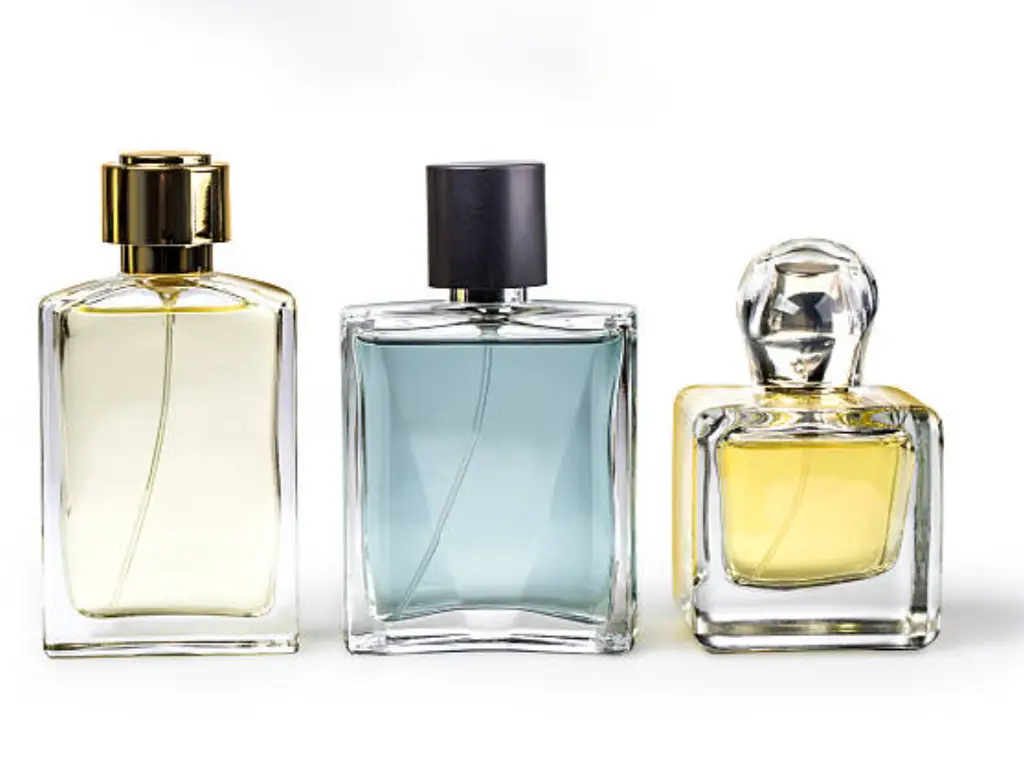
Camp A: Tier 1 Legacy & Component Specialists
These manufacturers represent the old guard of luxury packaging. They are characterized by centuries of history, monopolistic control over specific high-end components, and immense production scales tailored for the world’s largest luxury conglomerates (LVMH, Kering, etc.).
1. Verescence
Company Overview: With a heritage spanning over 120 years, Verescence is the undisputed global leader in luxury glass manufacturing for the beauty and fragrance sectors. Operating massive foundries across France, Spain, the US, and South Korea, they are the trusted substrate providers for heritage houses like Chanel and Dior. Verescence has heavily invested in sustainable manufacturing, pioneering the use of full electric furnaces and their proprietary Verre Infini® recycled glass lines, setting the absolute benchmark for decarbonization in heavy-base glass.
2. AptarGroup (Aptar Beauty)
Company Overview: In the highly technical realm of dispensing, AptarGroup is the apex predator. While they do not manufacture the glass bottles, they engineer the microscopic mechanisms that make a perfume function. Aptar Beauty provides the world’s most advanced miniaturized fragrance spray pumps. Their internal mechanisms are engineered to perfectly withstand aggressive essential oils and high-concentration ethanol, delivering a mathematically precise dosage and a luxurious, continuous misting action that defines the tactile experience of a high-end fragrance.
3. Groupe Pochet (Pochet du Courval)
Company Overview: Founded over 400 years ago, Pochet du Courval is a French national treasure in luxury packaging. Unlike standard glassmakers, the Pochet Group has mastered the fusion of diverse materials. They are globally renowned for producing glass of absolute, flawless transparency and executing the industry’s most complex, avant-garde structural designs. Their expertise in high-difficulty surface decorations—ranging from intricate hot stamping and gradients to deep 3D sculpting—makes them the default choice for the top 1% of haute perfumery seeking museum-quality flacons.
4. Gerresheimer
Company Overview: Established in 1864, Gerresheimer brings severe, uncompromising German engineering to the romantic world of fragrance. Because their foundational business is rooted in life-saving pharmaceutical packaging, their cosmetics and fragrance glass divisions inherit aggressively strict medical-grade quality control protocols. Their production facilities in Belgium and Germany utilize hyper-advanced optical inspection machines, allowing them to control the physical tolerances of glass threads and crimp necks with a microscopic precision that effectively eliminates the risk of assembly leakage.
Camp B: Agile & Turnkey Innovators
This category addresses the massive market gap left by the legacy giants. These manufacturers, predominantly based in the advanced manufacturing hubs of the Asia-Pacific region, provide high-quality, end-to-end solutions designed for agility, rapid scaling, and optimized ROI.
5. Daxin Glass
Company Overview: Daxin Glass represents the ultimate paradigm shift for modern fragrance brands seeking to bypass the sluggish lead times of legacy supply chains. Equipped with a robust in-house ODM/OEM engineering team, Daxin bridges the gap between premium quality and aggressive commercial agility. They master high-flint glass molding and complex decorations (frosting, metallization) while concurrently engineering the dispensing pumps and secondary paper packaging. By controlling the entire ecosystem, Daxin completely eliminates the “tolerance mismatch” finger-pointing that plagues multi-sourced projects, ensuring seamless compatibility from the glass neck to the spray nozzle.
Essential Criteria When Evaluating Your Packaging Partner
Procuring perfume packaging is an auditing process. To safeguard your investment, ensure your chosen manufacturing partner can definitively satisfy the following critical criteria before any funds are transferred.
Decoration Capabilities and Prototyping Speed
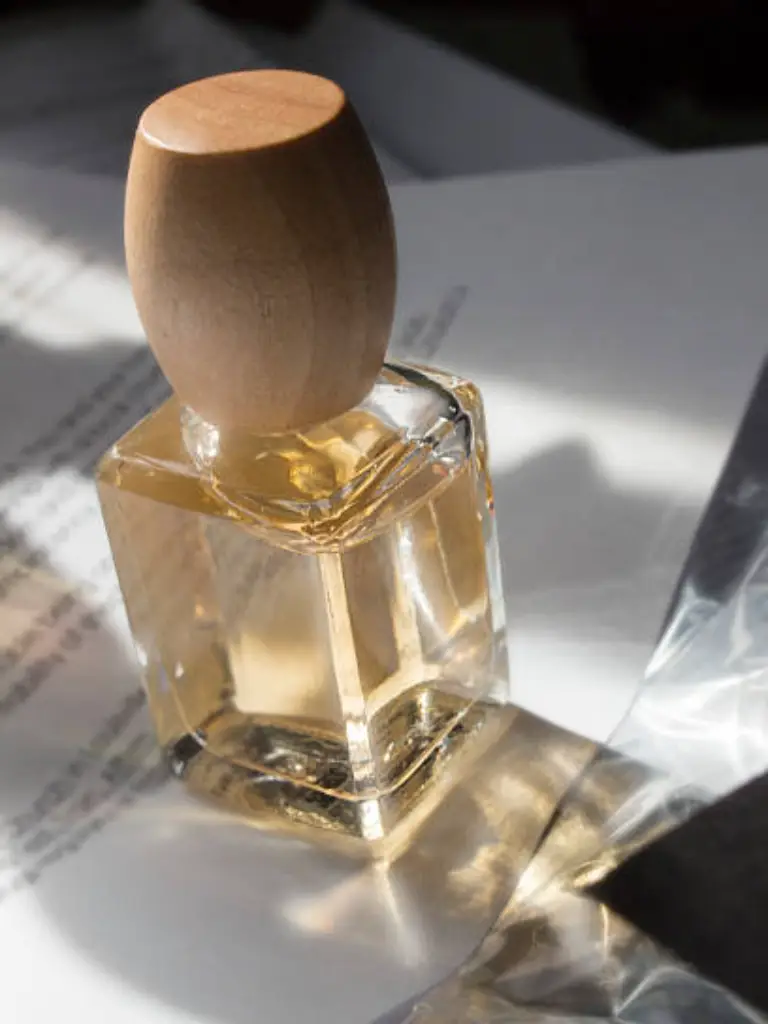
Digital 3D renders are deceptively beautiful; they cannot accurately simulate the light refraction of a heavy-base glass bottle or the tactile friction of a customized pump collar. You must demand physical evidence. Assess a manufacturer’s mastery of secondary processes—such as acid etching (frosting), precision hot stamping, and vacuum metallization.
More importantly, test their agility. A highly capable agile manufacturer should be able to translate a CAD file into a precise, physical 3D prototype (or a rapid acrylic/resin mockup for volume testing) within 15 to 20 days. If a supplier takes months just to provide a physical proof of concept, they will inevitably cause catastrophic delays during mass production.
Transparency in Quality Control Standards
Do not accept verbal assurances from sales representatives regarding “high quality.” Professional B2B procurement demands contractual data. Demand that your manufacturer embeds explicit AQL (Acceptable Quality Limit) clauses directly into the commercial agreement.
You must know their exact defect rate baseline. Are they auditing at AQL 1.5 for major defects and 4.0 for minor visual flaws? Furthermore, require them to provide transparent, batch-specific inspection reports covering thermal shock resistance, annealing quality, and the crucial -0.06MPa vacuum leak tests prior to container shipment.
Sustainability and Compliance Certifications
Entering the European and North American markets in 2026 requires strict adherence to environmental and chemical legislation; compliance is no longer a marketing bonus, it is a legal gatekeeper. Ensure your manufacturer can provide verifiable traceability for any PCR (Post-Consumer Recycled) glass or plastics utilized.
Critically, audit the chemical compliance of the hidden components. The plastics utilized in the dip tubes and the internal adhesives within the pump mechanisms must strictly comply with the EU’s REACH (Registration, Evaluation, Authorisation and Restriction of Chemicals) regulations to ensure they do not leach restricted toxins into the fragrance oil, which would result in immediate customs seizure and product recalls.
Conclusion: Aligning Your Perfume Vision with the Right Manufacturer
In the highly competitive fragrance sector, your primary packaging is not merely a vessel; it is the physical manifestation of your brand’s equity and your ultimate commercial moat against commoditization. A leaking bottle or a delayed launch can irreversibly shatter consumer trust and drain your capital.
The strategic choice ultimately depends on your brand’s current lifecycle phase. If you possess a bottomless budget, multi-year timelines, and require the absolute prestige of a centuries-old European hallmark, the legacy specialists in Camp A are unmatched. However, if your strategy demands rapid market penetration, maximized ROI, and the elimination of complex supply chain friction without sacrificing premium quality, partnering with an agile, turnkey innovator like Daxin Glass is the smartest procurement decision your brand can make. Choose your partner not just for their glass, but for their engineering accountability.

 English
  Spanish
  French
  German
  Arabic
  Italian
  Dutch
Dutch  Portuguese
  Russian
  Korean
  Japanese